
Juniper Tree in the Bible: Symbolism, Significance, and the Story of Elijah
The name Juniper, while seemingly simple, holds a surprising depth of meaning, particularly within the context of biblical narrative and symbolism. This exploration delves into the significance of the juniper tree in the Bible, examining its varied representations and the powerful lessons it imparts. While many associate the word "juniper" with a specific evergreen tree, the biblical references often point to a different plant entirely. Understanding this distinction is key to unlocking the true symbolism.
- The Botanical Identity: Broom, Not Juniper
- Juniper's Symbolism in Biblical Texts
- Elijah Under the Juniper: A Moment of Despair and Divine Renewal
- Juniper's Legacy Beyond Scripture
-
Frequently Asked Questions: Juniper Trees in the Bible
- What kind of tree is the "juniper" mentioned in the Bible?
- Where did this plant grow?
- What was the juniper/broom plant used for in biblical times?
- What is the significance of Elijah's experience under the juniper tree?
- What symbolic meanings are associated with the juniper/broom tree in the Bible?
- Are there any other biblical or legendary associations with the juniper/broom?
- How does the author of the blog post use the name "Juniper"?
The Botanical Identity: Broom, Not Juniper
It's crucial to clarify a common misconception: the "juniper" mentioned in the King James Version and other translations doesn't always refer to the Juniperus genus of evergreen trees. Instead, the Hebrew term often translated as "juniper," such as "rotem" or "rothem," usually refers to Retama raetam, a species of broom. This is a thorny, flowering shrub, not the typical coniferous juniper we might picture.
This seemingly small detail significantly impacts our understanding of the biblical passages. The broom's characteristics—its resilience in harsh desert environments, its ability to provide meager shade, and its readily combustible wood—shape the symbolic meanings attached to it throughout scripture. Several translations, recognizing this botanical difference, opt for "broom" or "broom tree" instead of "juniper," offering a more accurate rendering of the original text. This accurate identification is vital for a nuanced understanding of the plant's symbolic significance in biblical stories.
Juniper's Symbolism in Biblical Texts
Despite the botanical clarification, the symbolic weight of the "juniper" (or broom) in the Bible remains significant. Its appearance in various passages highlights its connection to themes of resilience, survival, and divine provision.
Resilience and Survival
The Retama raetam, with its ability to thrive in arid conditions, symbolizes resilience and the capacity to endure hardship. It represents the strength to survive in challenging circumstances, mirroring the perseverance of God's people in difficult times. This is evident in passages where the plant is mentioned in connection with desolate landscapes, suggesting a tenacity in the face of adversity. This resilience echoes the enduring faith of believers throughout history, who have faced persecution and hardship yet maintained their devotion.
Divine Provision and Refuge
The broom's capacity to offer shade and shelter, however minimal, becomes a symbol of God's provision and refuge. In a harsh environment, even minimal protection can be a lifeline, reflecting God's grace in providing for our needs, even in times of scarcity or despair. This is beautifully exemplified in the story of Elijah and the juniper tree, explored in more detail below. The plant's ability to provide even temporary respite reflects Gods's compassionate care in the midst of difficult trials.
God's Wrath and Judgment
Interestingly, the broom's readily combustible wood also features in biblical imagery. In Psalm 120:4, "coals of juniper" are mentioned, likely referring to charcoal made from the Retama raetam. The intense burn of this charcoal may symbolize God's righteous judgment and wrath, highlighting the destructive power of sin and the need for repentance. This duality of symbolism—both protection and judgment—underscores the complex nature of God's relationship with humanity.
Elijah Under the Juniper: A Moment of Despair and Divine Renewal
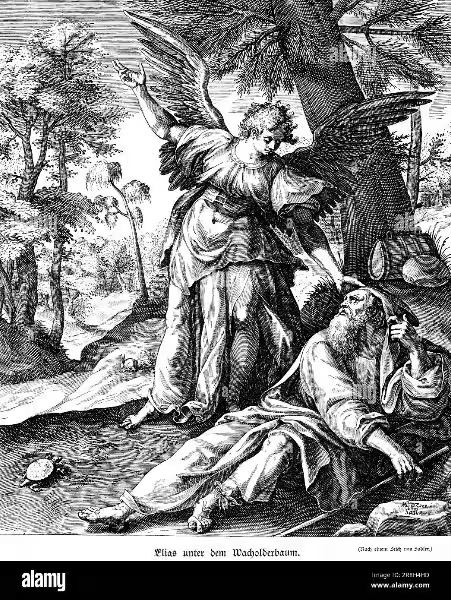
Perhaps the most famous biblical connection to the "juniper" is the story of Elijah in 1 Kings 19. Exhausted and despondent after his encounter with the prophets of Baal on Mount Carmel, Elijah seeks death under a juniper tree. This moment depicts a profound spiritual and emotional low point, even for a prominent prophet.
The juniper tree, in this context, becomes a symbol of refuge, a place of rest and contemplation during a time of intense spiritual struggle. However, it's not merely a place of despair. God's intervention, through an angel ministering to Elijah's needs, transforms the juniper from a symbol of exhaustion to one of divine restoration and renewal. The angel’s provision of food and drink represents God’s sustenance and reassurance during times of deep discouragement. Elijah's experience offers a powerful message: even the most devoted servants of God experience moments of doubt, despair, and exhaustion, and God's grace is always available to restore and renew. This resonates with many who face burnout and despair in their own spiritual journeys.
Juniper's Legacy Beyond Scripture
The symbolism of the juniper tree extends beyond its biblical appearances. In various pagan and medieval Christian traditions, it's associated with protection against evil and disease. Some Christmas legends even link the juniper to the Holy Family's flight to Egypt, portraying the tree as a protective shelter during their perilous journey. These folk traditions further underscore the plant's enduring association with safety, refuge, and divine protection. The persistent use of the juniper in these traditions highlights its enduring significance in cultural and religious contexts, reflecting a consistent association with protection and resilience.
In conclusion, the juniper tree in the Bible, accurately understood as the Retama raetam broom, possesses a richer symbolism than initially apparent. Its depictions in scripture, coupled with its botanical characteristics and enduring cultural significance, reveal a powerful message of resilience, divine provision, and the enduring nature of faith, even amidst despair. It serves as a reminder that even in our darkest moments, God's grace and love are readily available for renewal and restoration.
Frequently Asked Questions: Juniper Trees in the Bible
What kind of tree is the "juniper" mentioned in the Bible?
The term "juniper" as it appears in many Bible translations is actually a mistranslation. The Hebrew word often used, such as "rotem" or "rethem," refers to Retama raetam, a type of broom shrub, not a true juniper tree (Juniperus). This shrub is typically 3-12 feet tall with long, flexible branches and thrives in desert environments. Various translations use "broom" or "broom tree" more accurately.
Where did this plant grow?
Retama raetam grew, and still grows, across a wide range of arid regions including the Palestinian deserts, Gilead, the Jordan Valley, the Syrian desert, Lebanon, Mount Carmel, Arabia Petraea, Sinai, and Egypt. However, the exact extent of its historical range is debated among botanists.
What was the juniper/broom plant used for in biblical times?
The plant had several uses. Its wood burned intensely, making it a source of fuel – even the charcoal produced was a significant trade item. Biblically, it's depicted as fuel representing God's wrath (Psalm 120:4) and providing shade and shelter in harsh conditions (Job 30:4). Some scholars suggest that the "juniper roots" mentioned in Job may actually refer to a different plant entirely, Cynomorium coccineum.
What is the significance of Elijah's experience under the juniper tree?
1 Kings 19 describes Elijah resting under a juniper tree after a great victory and feeling utterly despondent. An angel then provides him with food and drink, highlighting God's provision and comfort even in times of profound discouragement. This episode emphasizes that even great figures of faith experience despair, and God's grace remains available. The juniper tree in this context symbolizes a place of rest, renewal, and divine intervention.
What symbolic meanings are associated with the juniper/broom tree in the Bible?
The juniper/broom's widespread distribution and varied forms symbolize adaptability and uniqueness. Its slow growth represents resilience and the potential for late blooming. The prickly branches can be seen as a symbol of protection. The intense burn of its wood, in some interpretations, symbolizes God's judgment. Overall, the plant's ability to thrive in harsh conditions reflects the strength and perseverance found in faith.
Are there any other biblical or legendary associations with the juniper/broom?
Yes. Some legends connect the plant's crackling sound when burning to Jesus' prayer in Gethsemane or the hiding of Mary and the infant Jesus. It's also noteworthy that in some pagan and medieval Christian traditions, juniper was associated with protection against evil and disease. A Christmas legend links juniper to the Holy Family's escape to Egypt, portraying the tree as a sheltering and protective force.
The author uses the name Juniper for her daughter, connecting it to the plant’s biblical symbolism of resilience, protection, renewal, and faith. The name selection isn't purely sentimental, but a deliberate choice intended to shape her daughter's understanding of faith and identity. The author draws parallels between the juniper's characteristics and life's challenges, emphasizing the importance of finding strength and hope in God even in difficult times.