
The Enduring Legacy: Exploring the Significance of a Wooden Bible
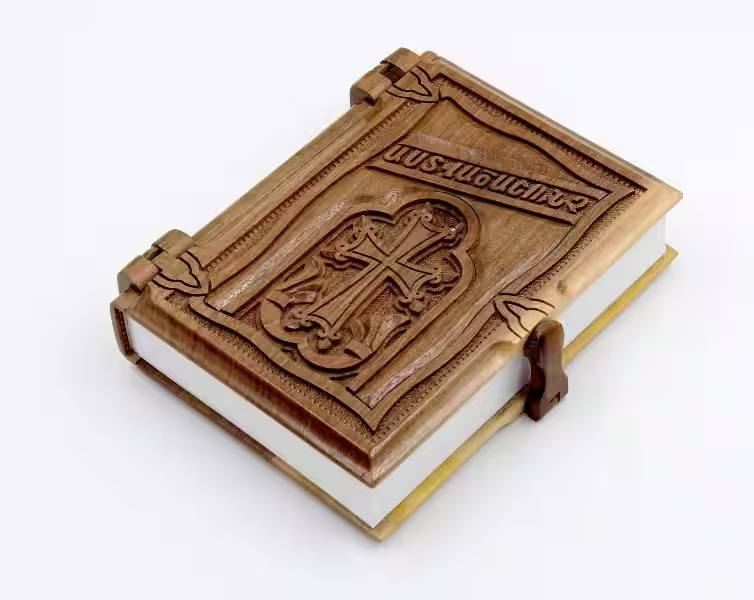
Finding the perfect gift for a devout Christian can be challenging. You want something meaningful, something that reflects their faith and resonates deeply. In this search, you might encounter a unique and compelling option: a wooden Bible, often crafted from olive wood sourced from the Holy Land. But what makes these Bibles so special? This article delves into the history, symbolism, and significance of these beautiful and spiritually resonant items.
- The Sacred Olive Tree: A Symbol of Peace and Resilience
- The Wooden Bible: More Than Just a Cover
- Choosing Your Wooden Bible: Considerations and Care
-
Frequently Asked Questions about Olive Wood Bibles
- What makes an olive wood Bible special?
- What is the religious significance of olive wood?
- What kind of Bible versions are available with olive wood covers?
- Are these Bibles suitable as gifts?
- How durable are olive wood Bible covers?
- Where does the olive wood come from?
- What kind of carvings or designs are typically found on the covers?
The Sacred Olive Tree: A Symbol of Peace and Resilience
The olive tree holds a profound place in biblical history and tradition, symbolizing peace, resilience, and enduring faith. The very first mention is in the Book of Genesis, where Noah's dove returns with an olive branch, signaling the end of the great flood and the promise of new beginnings. This symbol of peace continues throughout scripture.
The olive tree's importance is further cemented by its prominent role in the construction of Solomon's Temple. The cherubim, majestic figures sculpted from olive wood and placed in the holiest of holies, underscore the sacred status of this material. The longevity of the olive tree—some specimens living for centuries, even millennia—adds to its revered status, connecting it directly to the historical and spiritual landscape of the Holy Land. Imagine the stories a piece of olive wood, potentially centuries old, could tell.
From Sacred Wood to Sacred Objects
This reverence for the olive tree naturally translates into its use in crafting religious artifacts. In the Holy Land, artisans skillfully transform this sacred wood into a variety of items, from intricately carved nativity scenes and crosses to beautiful and durable Bible covers. These handcrafted items are highly sought after by pilgrims and believers alike, serving as tangible links to the biblical narrative.
The Wooden Bible: More Than Just a Cover
A wooden Bible, often made from olive wood, transcends its function as mere protection for the sacred text. It becomes a powerful symbol, a tangible representation of faith and connection to the Holy Land. The rich history and enduring nature of the olive wood itself mirror the unwavering strength and longevity of faith.
Many wooden Bible covers are adorned with significant biblical scenes, such as the Last Supper or the Lord's Prayer, further enriching their spiritual significance. This attention to detail transforms the object into a work of art, a cherished possession to be treasured and passed down through generations. The availability of various Bible versions (Catholic, Protestant, Jerusalem Bible, and others) ensures its accessibility and appeal across diverse Christian denominations.
A Gift of Faith and History
The marketing of these wooden Bibles often emphasizes their unique value as gifts. They are presented not simply as book covers but as deeply symbolic and spiritually resonant objects. The age and origin of the olive wood, potentially dating back centuries, contribute significantly to the perceived value and spiritual significance of the gift.
These Bibles make thoughtful presents for loved ones, fellow congregants, church leaders, or even as donations to religious institutions. The recipient receives more than just a book cover; they receive a piece of history, a tangible connection to the Holy Land, and a symbol of enduring faith. The beauty of the craftsmanship, combined with the profound symbolism of the olive wood, makes it an unforgettable and meaningful gift.
Choosing Your Wooden Bible: Considerations and Care
When selecting a wooden Bible, consider the type of wood (olive wood is the most common and significant, but other woods are also used), the craftsmanship, and the design elements. Look for covers that are well-made, with smooth finishes and durable construction. Check for any imperfections or inconsistencies in the wood grain, which can actually add to the unique character of the piece.
Proper care is essential to preserve the beauty and longevity of your wooden Bible. Avoid exposing it to excessive moisture or direct sunlight, as this can damage the wood. Occasional polishing with a suitable wood polish will help maintain its shine and protect it from wear and tear. With proper care, a wooden Bible can become a treasured heirloom, passed down through generations as a symbol of faith and enduring connection to the rich history of the Holy Land. The purchase of a wooden Bible is more than just a transaction; it's an investment in a meaningful and spiritually significant object that connects the present to the past and reinforces the enduring power of faith.
Frequently Asked Questions about Olive Wood Bibles
What makes an olive wood Bible special?
Olive wood Bibles are more than just protective covers; they're tangible links to biblical history and tradition. The olive wood itself holds profound religious significance, featuring prominently in scripture from Noah's ark to Solomon's Temple. Sourced from the Holy Land, the wood often comes from ancient olive trees, potentially centuries old, adding a unique historical and spiritual dimension. The craftsmanship, often featuring intricate carvings of biblical scenes, further enhances their religious significance. Owning an olive wood Bible offers a connection to the very land where Christianity originated.
What is the religious significance of olive wood?
The olive tree holds immense symbolic weight in Christianity. The olive branch brought by Noah's dove signifies peace, while the tree's use in constructing Solomon's Temple highlights its sacred status. The olive tree's resilience and longevity—its ability to live for centuries—symbolize the enduring nature of faith. Using olive wood to create religious artifacts, like Bible covers, maintains this tradition and provides a tangible connection to this rich history.
What kind of Bible versions are available with olive wood covers?
Olive wood Bible covers are designed to accommodate a variety of Bible versions, catering to different Christian denominations. Common options include Catholic Bibles, Protestant Bibles, and Jerusalem Bibles, ensuring broad appeal and suitability for diverse faith traditions. This inclusivity makes them appropriate gifts for a wide range of recipients.
Are these Bibles suitable as gifts?
Absolutely! Olive wood Bibles make deeply meaningful and unique gifts. They're perfect for loved ones, fellow congregants, church leaders, or even as donations to religious institutions. The combination of historical significance, spiritual symbolism, and beautiful craftsmanship makes them a thoughtful present for any occasion, especially significant religious events or milestones. The perceived value is enhanced by the potential age and origin of the olive wood itself.
How durable are olive wood Bible covers?
Olive wood is a remarkably durable material, known for its strength and longevity. This resilience mirrors the enduring nature of faith, ensuring the Bible cover will protect the sacred text within for many years to come. Proper care will further extend its lifespan, allowing it to serve as a cherished heirloom for generations.
Where does the olive wood come from?
The olive wood used in these Bibles is sourced from the Holy Land, further enhancing their connection to biblical history and tradition. This origin adds to their unique value and spiritual resonance, making them more than just a book cover; they are a piece of the Holy Land itself.
What kind of carvings or designs are typically found on the covers?
The covers are often adorned with significant biblical scenes, adding another layer of religious meaning. Common designs include depictions of the Last Supper, the Lord's Prayer, or other iconic biblical imagery. The craftsmanship varies, offering a range of artistic styles to suit different preferences. These carvings elevate the Bible cover from simple protection to a work of religious art.