
Unveiling the Mystery: The Jesus Cradle and the Basilica of St. Mary Major
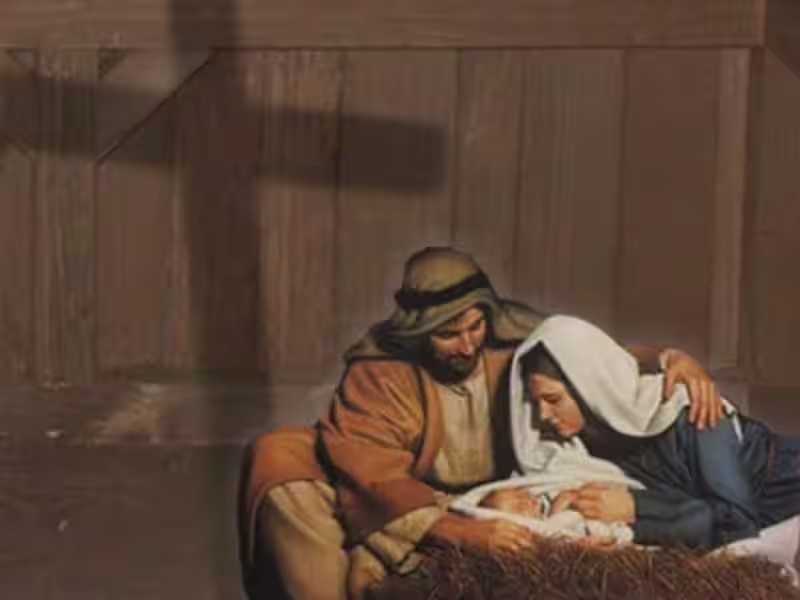
Many associate the birthplace of Jesus with Bethlehem and rightfully so. However, a lesser-known location holds a significant collection of relics believed to be directly connected to the nativity story: the Basilica of St. Mary Major in Rome. This basilica houses fragments of what is believed to be the Jesus cradle, or more accurately, the cunabulum, the manger where Jesus was laid. This isn't a replacement for the Bethlehem site, but rather a separate, and incredibly significant, point of pilgrimage and veneration within the Catholic tradition. This article will delve into the history and significance of these relics.
- The Roman Jesus Cradle: A Relic of Immense Devotion
- Beyond the Cradle: The Panniculum and Other Sacred Objects
- The Jesus Cradle and its Continuing Importance
-
Frequently Asked Questions: The Cradle of Jesus in Rome
- Where is the cradle of Baby Jesus located?
- What is the *cunabulum*?
- How did these fragments end up in Rome?
- Is there anything else related to the nativity in the Basilica of St. Mary Major?
- Why is the Basilica of St. Mary Major important in relation to the nativity?
- Are these relics verified as authentic?
- Why are these relics significant?
The Roman Jesus Cradle: A Relic of Immense Devotion
The story of the cunabulum in Rome begins not in Bethlehem, but in the 5th century AD. In 432, Pope Sixtus III, undertaking a major initiative, constructed a "grotto of the Nativity" within the Basilica of St. Mary Major. This was designed to mirror the cave in Bethlehem traditionally believed to be the birthplace of Jesus. The act of mimicking the Holy Land site within Rome itself speaks volumes of the significance placed upon the nativity story and the desire to bring a piece of that sacred space to the heart of the Christian world at the time.
This ambitious project had a profound impact. The basilica was subsequently renamed Santa Maria ad praesepem, meaning "St. Mary at the Manger," further solidifying the connection to the nativity. This renaming alone marked a significant shift in popular devotion, drawing pilgrims and reinforcing the basilica's growing importance as a site of religious reverence. The very name became a testament to the growing significance of the relics housed within its walls.
The Accumulation of Sacred Fragments
Over the centuries, countless pilgrims returning from the Holy Land brought with them what they believed to be pieces of the original manger. These fragments, often small and seemingly insignificant on their own, were donated to the basilica, accumulating over time into a substantial collection. This collection eventually formed the cunabulum we know today, housed within a carefully preserved reliquary.
The act of bringing these pieces to Rome highlights the deep-seated faith and longing to connect with the tangible elements of the nativity story. Each fragment, regardless of its size, represents a testament of belief, a physical link to the miraculous event, and a powerful demonstration of the unwavering devotion of countless pilgrims throughout history. It's a story told not just in religious texts but in the very fabric of the relics themselves.
Beyond the Cradle: The Panniculum and Other Sacred Objects
The Basilica of St. Mary Major's significance extends beyond the cunabulum. It also holds another incredibly precious relic directly linked to the birth of Jesus: the panniculum. This small piece of cloth, approximately the size of a hand, is preserved in a reliquary donated by Pope Pius IX.
Tradition holds that the panniculum is a fragment of the cloth used to swaddle the baby Jesus. This adds a further layer of tangible connection to the nativity story, offering devotees another point of intimate and deeply personal spiritual reflection. The combination of the cunabulum and the panniculum creates a powerful and moving collection, providing a tangible link to the most pivotal events in Christian history.
The Significance of Tangible Relics
The presence of these relics in Rome, specifically within the Basilica of St. Mary Major, offers a unique opportunity for reflection. These aren't just historical artifacts; they are deeply venerated objects of faith, serving as tangible links to the events surrounding the birth of Jesus.
The Catholic Church's reverence for such relics speaks to a broader tradition of approaching faith through tangible representations. The relics aren't meant to replace the spiritual understanding of the nativity, but rather to enhance it, providing a physical point of connection to a deeply significant spiritual event. This allows for a more profound and personally meaningful encounter with the story.
The Jesus Cradle and its Continuing Importance
The journey of the cunabulum and the panniculum to the Basilica of St. Mary Major underscores the enduring power of religious faith and the lasting impact of pilgrimage. These relics, accumulated over centuries through unwavering devotion and the collective faith of countless individuals, remain a focal point for religious reverence.
The Basilica itself, with its "grotto of the Nativity" and its carefully preserved relics, serves as a powerful testament to the enduring significance placed upon the nativity story and the desire to maintain a tangible connection to its events. The Jesus cradle, therefore, isn't just a piece of history; it's a living symbol of faith, a testament to centuries of devotion, and a continuing source of inspiration for pilgrims from around the world. The story of the relics within the Basilica of St. Mary Major is a story of faith, pilgrimage, and the enduring power of tangible connections to the sacred.
Frequently Asked Questions: The Cradle of Jesus in Rome
Where is the cradle of Baby Jesus located?
Contrary to popular belief, a significant portion of what is believed to be the manger (cunabulum) in which Jesus was laid is not in Bethlehem, but in the Basilica of St. Mary Major in Rome. This basilica houses fragments of the manger, collected over centuries.
What is the *cunabulum*?
The cunabulum refers to the manger in which, according to the Gospels, Jesus was placed after his birth. The Basilica of St. Mary Major possesses numerous fragments of what is believed to be this original manger.
How did these fragments end up in Rome?
Beginning in 432 AD, Pope Sixtus III commissioned a "grotto of the Nativity" within the Basilica of St. Mary Major, mirroring the one believed to exist in Bethlehem. Pilgrims returning from the Holy Land often donated what they believed to be pieces of the original manger to the basilica. These donations, accumulated over centuries, form the cunabulum displayed there today.
Yes, the basilica also houses the panniculum, a small piece of cloth believed to be from the swaddling clothes of the baby Jesus. This relic is housed in a separate reliquary.
Why is the Basilica of St. Mary Major important in relation to the nativity?
The presence of the cunabulum and the panniculum, along with the historical context of Pope Sixtus III's initiative, makes the Basilica of St. Mary Major a significant site of religious reverence and a powerful tangible link to the nativity story for many Catholics. It represents a focal point of devotion independent of Bethlehem.
Are these relics verified as authentic?
The authenticity of the relics is based on centuries of tradition and belief within the Catholic Church. The relics are venerated as such, not as scientifically proven artifacts.
Why are these relics significant?
For many believers, these relics provide a tangible connection to the nativity story, fostering faith and devotion. They represent a historic accumulation of piety and pilgrimage over many centuries.