
What is an Example of Blasphemy Against the Holy Spirit?
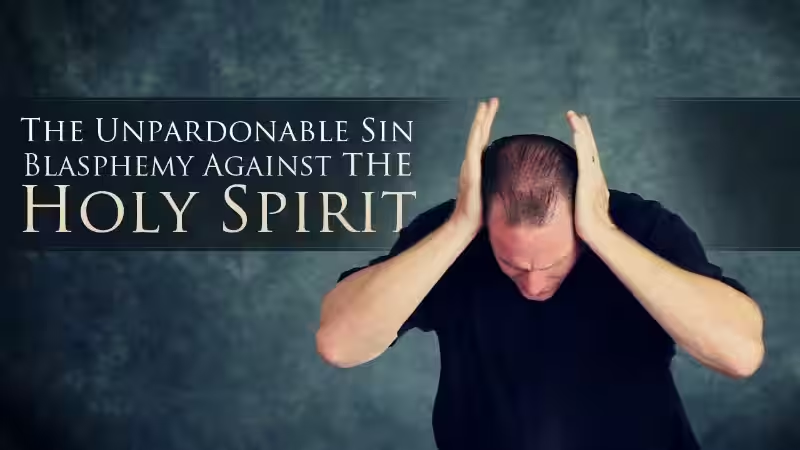
The concept of blasphemy against the Holy Spirit is one of the most perplexing and debated topics in Christian theology. The Gospels (Mark 3:28-29, Matthew 12:31-32, Luke 12:10) describe it as unforgivable, sparking centuries of discussion and interpretation. What exactly constitutes this sin? Is it a specific act, or a state of being? This article will explore potential examples, clarifying misconceptions and emphasizing the importance of seeking God's grace.
Understanding the Unforgivable Sin
The key to understanding blasphemy against the Holy Spirit lies not in specific actions, but in the heart's attitude. It's not about uttering certain words, but about a persistent, deliberate rejection of God's grace and the Holy Spirit's work in one's life. This rejection is characterized by an impenitent heart, a hardened resistance to God's mercy and transformative power.
It's crucial to understand that the "unforgivable" aspect refers not to God's inability to forgive, but to the individual's absolute unwillingness to accept that forgiveness. The sin is unforgivable because the individual actively and persistently shuts the door on God's grace.
Potential Manifestations: Impenitent Rejection
Perhaps the most central theme is a persistent and impenitent rejection of God's manifest work. This isn't a single act, but a hardened attitude consistently opposing clear evidence of God's presence and action. This could take several forms:
Denial of the Holy Spirit's Work
One example is the stubborn refusal to acknowledge the clear work of the Holy Spirit in another's life or in the world. This isn't mere skepticism—it's a willful rejection of verifiable evidence, such as miraculous healings or conversions demonstrably attributed to the Holy Spirit. The individual consciously chooses to dismiss undeniable evidence, preferring their own skepticism to truth.
Persistent Resistance to Conviction
Another manifestation is persistent resistance to the Holy Spirit's prompting to repent and turn to God. This isn't a momentary lapse but a pattern of suppressing one's conscience and actively choosing sin, despite inner conviction. This demonstrates a conscious decision to ignore God's guidance and remain in a state of rebellion.
Attributing God's Work to Other Forces
Finally, deliberately attributing undeniable spiritual events (miracles, conversions) to demonic activity or coincidence, rather than recognizing God's hand, displays a hardened heart intent on denying God's power. This isn't a simple misinterpretation but a malicious attempt to discredit God's work. This represents a deliberate attempt to undermine God's authority.
Other Interpretations: Final Apostasy and Malicious Attribution
Beyond impenitent rejection, other interpretations exist. Final and unrepentant apostasy involves a complete and irrevocable turning away from God and His grace, often marked by a conscious and deliberate rejection of Christ and the Gospel after a period of faith. This is not simply falling into sin, but a conscious abandonment of faith.
Another egregious form is attributing the works of the Holy Spirit to Satan. This is a conscious and malicious misattribution of clear evidence of the Spirit's work – such as spiritual gifts or divine guidance – to the devil. It represents a blatant defiance against God's power and authority.
The Importance of Repentance and Grace
It's crucial to emphasize that while the possibility of this sin exists, it's a matter of the heart, known only to God. Only God can judge the heart. The emphasis should be on seeking repentance and forgiveness, recognizing the work of the Holy Spirit in one's life, and remaining open to the transformative power of God's grace. The fear of this sin should motivate a life of humility and dependence on God's grace, not paranoia or judgment of others. Ultimately, what is an example of blasphemy against the holy spirit remains a complex theological question, best answered through prayerful reflection and a commitment to living a life pleasing to God. Focus on seeking God's forgiveness and living a life of faith, rather than speculating on the fate of others.
Frequently Asked Questions: Blasphemy Against the Holy Spirit
Here are some frequently asked questions about the complex theological concept of blasphemy against the Holy Spirit, based on various interpretations of biblical texts such as Matthew 12:31-32, Mark 3:28-29, and Luke 12:10. Remember that this is a deeply debated topic, and definitive answers are elusive. The focus should always be on seeking God's forgiveness and living a life of faith.
What is blasphemy against the Holy Spirit?
Blasphemy against the Holy Spirit isn't a clearly defined act, but rather a persistent attitude and state of being. It's described in scripture as unforgivable, not because God is incapable of forgiveness, but because the individual involved actively and irrevocably rejects the very grace offered for forgiveness. It represents a complete and unrepentant rejection of God's work and the Holy Spirit's influence in one's life. It's not about specific words, but a hardened heart.
What are some potential examples?
Several interpretations exist, none definitively conclusive. Potential examples often involve a persistent pattern of behavior rather than a single action. These could include:
-
Impenitent rejection of God's manifest work: Stubbornly refusing to acknowledge the clear work of the Holy Spirit in one's life or the lives of others (miracles, conversions, etc.), attributing them to other forces or dismissing them entirely. This is not mere skepticism, but a willful rejection of verifiable evidence.
-
Persistent resistance to conviction: Constantly ignoring or rejecting the promptings of the Holy Spirit to repent and turn to God. This involves a pattern of suppressing one's conscience and actively choosing sin, knowing better.
-
Attributing the work of the Holy Spirit to Satan: Consciously and maliciously ascribing the clear evidence of the Spirit's work (spiritual gifts, divine guidance) to demonic influence. This is a deliberate defiance against God's power and authority.
-
Final and unrepentant apostasy: A complete and irrevocable turning away from God and His grace, often marked by a conscious rejection of Christ and the Gospel message after a period of faith. It is not simply falling into sin but a deliberate and final abandonment of faith.
Is it possible to commit this sin unknowingly?
The very nature of blasphemy against the Holy Spirit suggests a conscious and deliberate rejection. It implies awareness of God's work and a willful choice to oppose it. Accidental actions or sins committed out of ignorance are generally considered different.
How can I know if I've committed this sin?
The inherent difficulty lies in judging another's heart. Only God can truly know the state of a person's soul. If you are genuinely concerned about having committed this sin, it may actually indicate the opposite – a capacity for repentance and the presence of the Holy Spirit's conviction in your life. The very act of questioning suggests a willingness to receive God's grace.
What should I do if I'm worried about this sin?
The appropriate response is not to dwell on speculation, but to focus on seeking repentance and forgiveness. Confess your sins, seek God's grace, and remain open to the transformative power of the Holy Spirit. Continue to live a life of faith, trusting in God's mercy and forgiveness. The fear of this sin should motivate a life of humility and dependence on God, not paranoia or judgment of others.