
The Spirit of God Was Hovering Over the Waters: Meaning and Significance
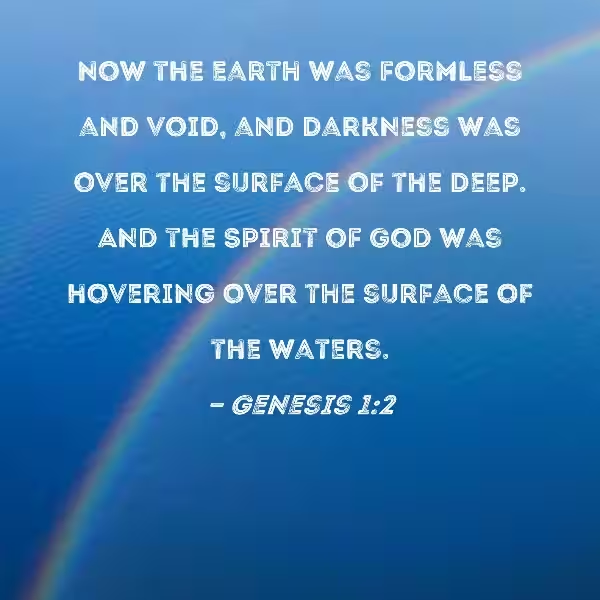
What does the evocative phrase "the Spirit of God was hovering over the waters" (Genesis 1:2) truly mean? This seemingly simple sentence holds profound implications for understanding the creation narrative and the nature of God. It's a cornerstone of Christian theology, sparking centuries of discussion and interpretation. Let's unpack its layers of meaning.
- The Evocative Imagery of Genesis 1:2
- The Spirit's Role in Creation
- Parallels with Ancient Near Eastern Myths
-
The Spirit's Ongoing Presence
- What does "the Spirit of God hovering over the waters" mean in Genesis 1:2?
- What is the significance of the word "hovering" (rachaph)?
- What is the role of the Spirit in creation according to this verse?
- How does this verse relate to ancient Near Eastern creation myths?
- Does the "hovering" of the Spirit have implications beyond the initial creation?
- What is the significance of the waters in Genesis 1:2?
- Does this passage support a specific theological position, such as the Trinity?
The Evocative Imagery of Genesis 1:2
The verse paints a vivid picture: a formless void, "tohu wabohu," a state of primordial chaos and potential, covered by waters. The Hebrew word translated as "hovering," rachaph, doesn't imply a forceful presence. Instead, it suggests a gentle, nurturing act, like a bird brooding over its eggs. This image highlights the Spirit's active engagement with the pre-creation state, not merely observing but actively participating in the process of bringing order from chaos. This wasn't a passive observation; it was an active, creative force. The "waters" themselves are not limited to just oceans; they represent the watery expanse that existed before the structured creation we know.
The image is far from static. The act of hovering isn't a passive observation; it's a dynamic engagement. The very act of "hovering" implies anticipation, preparation, and the imminence of a grand transformation. The Spirit's presence clearly foreshadows the creative acts detailed in the following verses. It's a powerful visual metaphor for God's active involvement in the birthing of the universe.
The Spirit's Role in Creation
Genesis 1 depicts God actively creating through speech and action. However, the Spirit's presence in verse 2 uniquely links to the initial shaping of creation. This points to a divine agency distinct from, yet inseparable from, God the Father. Theological interpretations vary here. Some see the Spirit as an instrument of God's will, while others recognize the Spirit as a distinct person of the Trinity, actively participating in creation alongside the Father. Regardless of the specific theological position, the verse undeniably emphasizes the Spirit's vital role in the creative act.
It's important to note that this isn't a passive role. The Spirit isn't just a bystander; rachaph suggests a direct involvement in the very formation of the world. The Spirit’s action is integral, not ancillary, to the creation event, highlighting the profound connection between the Spirit and the emergence of creation from chaos. It is a partnership in creation, a collaborative act of divine power.
Parallels with Ancient Near Eastern Myths
Genesis 1 engages with the prevalent imagery of watery chaos found in other ancient Near Eastern creation myths. However, Genesis offers a radical reinterpretation. While sharing similar imagery of a primordial watery expanse, Genesis rejects the polytheistic explanations. The Spirit's action over the waters serves as a counter-narrative, replacing chaotic, often violent deities with a single God working through the Spirit to bring forth order and life. This is a crucial point: Genesis reworks existing cultural narratives, offering a monotheistic perspective on creation.
This repurposing of existing imagery isn’t simply a rejection; it's a sophisticated theological move. It acknowledges the cultural context while simultaneously offering a completely different, and superior, explanation for the origin of the universe – a universe created by a single, powerful, and benevolent God working through the Holy Spirit. It’s a powerful statement about the nature of God and his relationship to creation.
The Spirit's Ongoing Presence
The significance of "the Spirit of God was hovering over the waters" extends beyond a historical account of creation. The image serves as a powerful symbol of God's continuous presence and active involvement in the world. The creative act wasn't a one-time event; the Spirit's presence signifies God's ongoing engagement with creation, offering hope and potential for renewal and transformation. This continuous presence is central to Christian theology, emphasizing the ongoing work of the Holy Spirit in the lives of believers and the world as a whole.
The hovering Spirit isn't just a historical event; it's a living reality. It’s a symbol of God’s continuous care, his ongoing engagement with his creation, and the ever-present possibility of renewal and transformation. The image resonates deeply with the promise of hope and redemption, a theme that pervades the entire biblical narrative.
Understanding "the Spirit of God was hovering over the waters" requires a comprehensive approach. It demands considering literary context, historical background, theological interpretations, and symbolic meaning to grasp its full richness. The phrase is not merely descriptive; it is a powerful statement about the nature of God, the act of creation, and God's ongoing relationship with the world. The gentle hovering of the Spirit over the primeval waters speaks of a God who is both powerful and intimately involved in His creation, a God who actively cares for and sustains all that He has made. The image of the hovering Spirit remains a source of comfort, hope, and inspiration for believers across the ages.
Here's an FAQ section regarding the meaning of "the Spirit of God hovering over the waters" in Genesis 1:2, based on the provided information. Note that some questions delve deeper than the original text directly allows, requiring some carefully reasoned inference.
What does "the Spirit of God hovering over the waters" mean in Genesis 1:2?
The phrase describes the active involvement of God's Spirit in the creation process before the physical acts of creation began. The “waters” represent the formless, chaotic void that existed before creation, and the Spirit's “hovering” (a gentle, nurturing action, not a forceful one) signifies God's active engagement in bringing order and life out of chaos. It highlights the Spirit's crucial role in shaping creation.
What is the significance of the word "hovering" (rachaph)?
The Hebrew word rachaph suggests a gentle, brooding presence, implying care and nurturing rather than forceful action. It depicts the Spirit's active engagement with the primordial chaos, preparing it for the subsequent acts of creation. It's not simply observation, but an active, creative participation.
What is the role of the Spirit in creation according to this verse?
Genesis 1:2 uniquely links the Spirit's presence to the initial shaping of creation. This indicates a divine agency distinct from, yet inseparable from, God the Father. Theological interpretations vary, with some seeing the Spirit as an instrument of God's will, and others viewing the Spirit as a distinct person of the Trinity actively participating in creation. Regardless, the verse emphasizes the Spirit's essential role in the creative process.
How does this verse relate to ancient Near Eastern creation myths?
Genesis engages with the common imagery of watery chaos preceding creation found in other ancient Near Eastern myths. However, Genesis reinterprets this imagery from a monotheistic perspective, replacing chaotic and often violent deities with a single God working through the Spirit to bring forth order and life. It's a counter-narrative emphasizing God's control and benevolent creation.
Does the "hovering" of the Spirit have implications beyond the initial creation?
Yes, the Spirit's hovering is often interpreted as a symbol of God's ongoing presence and active involvement in the world. It isn't just a historical account of a one-time event; it signifies God's continual engagement with creation, offering hope for renewal and transformation. This resonates with Christian theology, emphasizing the continuous work of the Holy Spirit in believers' lives and the world.
What is the significance of the waters in Genesis 1:2?
The "waters" aren't simply oceans; they represent the primordial, chaotic watery expanse that existed before creation. They symbolize the formless, void, and potential from which God brought forth order and life through the action of the Spirit.
Does this passage support a specific theological position, such as the Trinity?
While the passage doesn't explicitly define the Trinity, it strongly suggests a distinct yet unified divine agency at work in creation. Different theological traditions interpret the relationship between the Father and the Spirit differently, but the verse undeniably highlights the Spirit's integral role alongside God in the creative act. The implications for Trinitarian theology are significant, but not definitively conclusive from this verse alone.