
Understanding Foaming Wine: Why Does My Wine Foam?
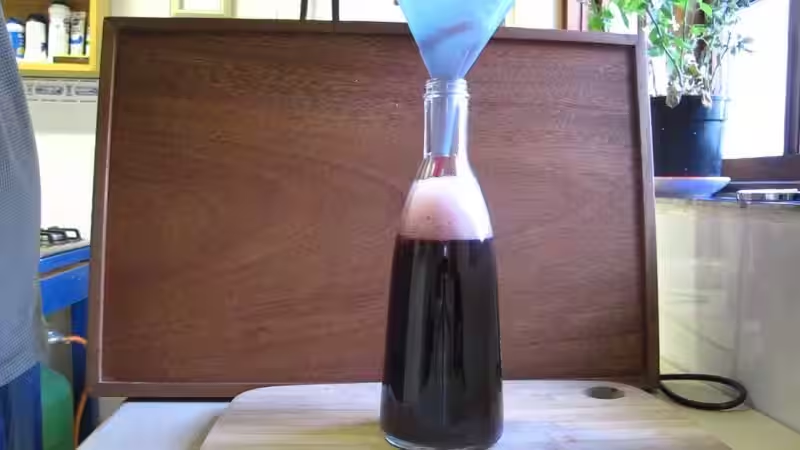
Many wine drinkers have encountered unexpected foam in their wine, leading to confusion and questions about quality and proper handling. This article explores the reasons behind foaming wine, dispelling common misconceptions and providing practical advice. We'll examine cases ranging from restaurant service mishaps to home winemaking challenges, offering insights into what might cause your wine to foam.
- Foaming Wine in a Restaurant Setting
- The Role of Tannins and Alcohol in Foaming
- Foaming Wine: A Home Winemaker's Perspective
- Foaming Wine in Biblical Context
- Conclusion: Addressing Foaming Wine
-
Foaming Wine: A Comprehensive FAQ
- Why is my red wine foamy?
- Could the foam mean my wine is still fermenting?
- Is the foam from soap residue in my decanter?
- My red wine is both foamy and excessively sweet. What could be wrong?
- I'm a home winemaker, and my Cabernet Sauvignon is excessively foamy even after multiple degassing attempts. What's going on?
- Is foaming wine always a sign of a bad wine?
- What should I do if I receive a foamy wine at a restaurant?
- Does the biblical reference to "foaming wine" in Psalm 75:8 imply a specific winemaking technique?
Foaming Wine in a Restaurant Setting
Let's start with Annamaria's experience at a restaurant, as described by "Dr. Vinny." She encountered a foamy, excessively sweet red wine. This scenario highlights how unexpected foam can raise concerns.
The immediate assumption might be that ongoing fermentation is responsible for the foam. However, Dr. Vinny correctly points out that active fermentation would result in a "yeasty and effervescent" wine, not simply foamy. The presence of foam without these other characteristics suggests a different cause.
Another possibility, the presence of soap residue in the decanter, is quickly ruled out. Soap would likely impart a bitter taste, contrasting with Annamaria's description of excessive sweetness. The key to understanding this situation lies in the wine's physical properties.
The Role of Tannins and Alcohol in Foaming
The most common cause of foam in red wine is agitation. Pouring or shaking the wine vigorously can introduce air, reducing surface tension and creating foam. This is similar to how detergents work; they lower the surface tension of water, allowing bubbles to form easily.
Red wines, particularly those with higher tannin and alcohol content, are more prone to foaming. Tannins, naturally occurring compounds in grapes, contribute significantly to the wine's structure and mouthfeel. They interact with the other components of the wine to influence its foaming tendency. Higher alcohol levels further reduce surface tension, increasing the likelihood of foam formation.
Crucially, Dr. Vinny clarifies a common misconception: sugar doesn't cause foam. In fact, sugar increases the surface tension of water, making foam formation less likely. Therefore, the combination of foam and excessive sweetness in Annamaria's wine suggests a more significant issue—potentially a flawed wine or improper handling by the restaurant.
Foaming Wine: A Home Winemaker's Perspective
Let's shift our focus to Peter, a home winemaker facing a persistent foaming problem with his Cabernet Sauvignon wine kit. His experience illustrates a different set of challenges. Even after multiple degassing attempts, fining, and bottling with a Boots filter, the foam persisted.
Peter's situation presents a more complex puzzle. While the wine tastes excellent, the excessive foaming during bottling led to only half-filled bottles, requiring decanting and topping up. The persistence of the foam, even after the wine has rested overnight, indicates a deeper issue.
Points to consider in Peter's case include:
- The wine kit itself: Could there have been an issue with the kit's ingredients or instructions?
- Bottling process: Was the bottling process contributing to excessive aeration?
- Underlying wine flaw: Despite the excellent taste, could a subtle flaw be responsible for the foaming?
This case emphasizes that even with careful winemaking practices, unexpected issues can arise. Consulting with experienced winemakers or suppliers is crucial for troubleshooting such problems.
Understanding the Chemistry of Foaming
The persistent foam in Peter's wine, despite the clarity achieved through fining, suggests that the issue isn't related to particulate matter. Instead, it points towards a chemical imbalance or an unusual interaction between the wine's components. This reinforces the importance of controlling variables during the winemaking process, from fermentation to bottling.
Analyzing Peter's Foaming Wine
The fact that minimal residual gas was detected after shaking suggests that the foam is not caused by excessive carbonation. This narrows down the possible causes, focusing attention on the interactions of the wine's components and the potential influence of factors during bottling. Peter's situation highlights how persistent foam can be independent of other wine flaws, emphasizing the need for thorough investigation.
Foaming Wine in Biblical Context
Interestingly, the image of "foaming wine" appears in Psalm 75:8, depicting a "cup full of foaming wine mixed with spices" held by the Lord. This passage isn't a guide to winemaking but a powerful metaphor for divine judgment.
The foaming wine, likely achieved through the addition of spices, represents the intensity and overflowing nature of God's wrath. The foam amplifies the severity of the judgment, symbolizing the potent and inescapable nature of divine justice. The biblical context underscores the symbolic, not literal, interpretation of foaming wine.
Conclusion: Addressing Foaming Wine
Foaming wine, whether in a restaurant or a home winemaking setting, can be perplexing. While agitation is a common cause, other factors, such as wine flaws, improper handling, or even the specific characteristics of a wine kit, can also contribute. Understanding the underlying causes of foam—the role of tannins, alcohol, and surface tension—is crucial for both troubleshooting and appreciating the complexities of wine. In many instances, addressing the foam might involve identifying and correcting issues with winemaking practices or seeking expert advice. Regardless of the context, foaming wine presents a fascinating case study in wine chemistry, revealing the nuances and subtle interactions that define this beloved beverage.
Foaming Wine: A Comprehensive FAQ
Here are some frequently asked questions about foaming wine, addressing various scenarios and potential causes:
Why is my red wine foamy?
Foam in red wine is often caused by agitation during pouring or shaking. The tannins and alcohol in the wine reduce surface tension, similar to how detergents create bubbles. Higher tannin and alcohol levels increase the likelihood of foaming. It's a common occurrence and doesn't necessarily indicate a problem with the wine's quality, but excessive foaming could suggest improper handling or a flaw.
Could the foam mean my wine is still fermenting?
No, ongoing fermentation would typically result in a wine described as "yeasty and effervescent," not simply foamy. If your wine is simply foamy and not exhibiting other signs of active fermentation, fermentation is unlikely to be the cause.
Is the foam from soap residue in my decanter?
While possible, soap residue would likely impart a bitter taste, not a sweet one. If your foamy wine is also excessively sweet, soap residue is an unlikely culprit.
My red wine is both foamy and excessively sweet. What could be wrong?
This combination suggests a potential problem with the wine itself. The sweetness does not cause the foam (in fact, sugar increases surface tension, counteracting foam formation). It's possible the wine was improperly handled or has a flaw. Contacting the establishment or vendor where you purchased the wine is advised.
I'm a home winemaker, and my Cabernet Sauvignon is excessively foamy even after multiple degassing attempts. What's going on?
Persistent foam in homemade wine, even after degassing, could have several causes. It could be due to high tannin levels, vigorous fermentation, or even a problem with the winemaking process (e.g., incomplete fermentation or an issue with fining). Analyzing your winemaking process, perhaps with the help of an experienced winemaker, is recommended to pinpoint the problem. Factors such as the type of equipment used (e.g., Boots filter) and the bottling process itself can also contribute to excessive foaming.
Is foaming wine always a sign of a bad wine?
Not necessarily. Moderate foaming during pouring is common in many red wines due to their tannin and alcohol content. However, excessive or persistent foaming, particularly when coupled with other quality issues like off-flavors or excessive sweetness, might indicate a problem with the wine's production or handling.
What should I do if I receive a foamy wine at a restaurant?
Politely inform your server of your dissatisfaction. The foam, especially if accompanied by other issues, could indicate the wine is flawed or hasn't been handled properly.
Does the biblical reference to "foaming wine" in Psalm 75:8 imply a specific winemaking technique?
No. The "foaming wine" in Psalm 75:8 is a powerful metaphor for divine judgment, not a literal description of a particular winemaking method. The foaming enhances the symbolic representation of the intensity and overflowing nature of God's wrath. The passage's focus is on the theological message, not on the specifics of ancient winemaking practices.