
Unearthing the Wonders of Earthen Jars: A Journey Through History and Utility
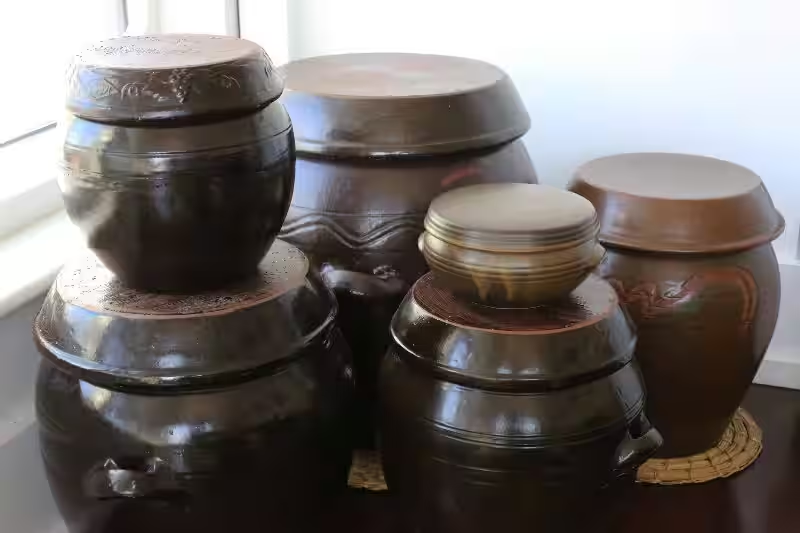
Earthen jars, those humble vessels crafted from clay and fired in kilns, hold a history as rich and varied as the cultures that have used them. Far from being mere containers, they represent a fascinating intersection of artistry, practicality, and cultural significance. This article explores the world of earthen jars, delving into their history, diverse uses, and enduring appeal.
A History Baked in Clay: The Origins and Evolution of Earthen Jars
The creation of earthen jars dates back millennia, to a time when early humans discovered the transformative power of fire on clay. These early vessels, often rudimentary in form, served essential purposes: storing food, water, and other precious resources. Their creation represented a significant leap in human technological development, moving beyond simple baskets and containers made from readily available plant materials.
Over time, the techniques for crafting earthen jars became increasingly sophisticated. Different cultures developed unique styles, reflecting their artistic sensibilities and technological advancements. The shapes, sizes, and decorative elements of these jars often revealed details about the people who made and used them, providing valuable insights into their lifestyles and traditions. The development of the potter's wheel, for example, significantly impacted the production of earthen jars, allowing for greater precision and efficiency in shaping the clay.
Regional Variations and Artistic Expression
The diversity of earthen jars is astounding. From the sleek, minimalist designs of some ancient civilizations to the elaborately decorated jars of others, the variations are endless. Consider the graceful amphorae of ancient Greece, used for storing wine and oil, or the intricately painted jars of pre-Columbian cultures in the Americas. These vessels weren't just functional; they were also works of art, reflecting the aesthetic values and cultural beliefs of their creators.
The materials used also varied widely, depending on the available resources of a region. Some earthen jars were made from fine, white clay, producing a delicate, almost porcelain-like finish. Others were crafted from coarser clays, resulting in a more rustic and earthy appearance. The firing process, too, influenced the final product, with different temperatures and techniques yielding variations in color, texture, and durability.
The Practical Applications of Earthen Jars: From Storage to Ceremony
Beyond their artistic merit, earthen jars served a multitude of practical purposes throughout history and continue to do so today. Their use as storage containers was, and remains, paramount. Their porous nature allows for breathability, making them ideal for storing certain foods such as grains and fruits, preventing spoilage and maintaining freshness. Many cultures continue to utilize earthen jars for fermenting foods like sauerkraut and kimchi, a testament to their enduring practicality.
But the uses extend beyond simple storage. Earthen jars have also served as containers for liquids, from water to wine. Their relatively impermeable nature, especially when properly glazed, made them suitable for storing and transporting liquids. Further, in some cultures, they served as burial vessels, holding the remains of the deceased. This demonstrates the significance of earthen jars within the context of religious and spiritual practices.
Modern Uses and Continued Relevance
Despite the advent of modern materials and technologies, earthen jars maintain their relevance in the 21st century. Their eco-friendly nature makes them appealing to environmentally conscious consumers. The aesthetic appeal of earthen jars also contributes to their ongoing use, enhancing the beauty of kitchens, gardens, and other spaces. Many people appreciate their rustic charm and the sense of history they embody.
Furthermore, the revival of traditional food preservation techniques has led to a renewed interest in earthen jars. Home cooks are once again utilizing them for fermenting vegetables, making jams, and storing grains, embracing both functionality and sustainability. The growing popularity of artisanal and handcrafted goods also contributes to the continued demand for earthen jars.
Caring for Your Earthen Jars: Preservation and Maintenance
Earthen jars, despite their durability, require proper care to ensure their longevity. Avoid extreme temperature changes, which can cause cracking. Hand-washing is generally recommended, as harsh detergents can damage the surface. If your earthen jars are glazed, ensure the glaze is food-safe before using them for storage. Unglazed earthen jars may require occasional sealing with food-safe oil to prevent leaks and maintain their integrity.
Proper storage is crucial. Keep earthen jars away from direct sunlight and extreme humidity to avoid discoloration and cracking. If storing food within them, ensure the food is properly prepared and stored to prevent spoilage. With proper care, your earthen jars can last for generations, becoming cherished heirlooms that connect you to the rich history of these remarkable vessels.
The Enduring Legacy of Earthen Jars
In conclusion, earthen jars are much more than simply containers. They represent a profound connection between humans and the earth, a testament to our ingenuity and artistic expression. Their enduring presence throughout history underscores their practicality and cultural significance. Whether used for storing food, fermenting vegetables, or simply adding a touch of rustic charm to your home, earthen jars continue to hold a special place in our lives, reminding us of the enduring power of simple, handcrafted beauty. Their legacy continues to be written, a testament to the enduring appeal of these vessels baked in the earth itself.
Given the limited information, we can only create a basic FAQ section about earthen jars based on general knowledge. A more detailed FAQ would require more information about specific types of earthen jars, their uses, and their history.
Frequently Asked Questions about Earthen Jars
What is an earthen jar?
An earthen jar is a container made from clay and then fired (baked) in a kiln or by other means to harden it. These jars are often unglazed, showcasing the natural texture and color of the clay. They vary widely in size, shape, and decoration depending on their intended use and the cultural context of their creation.
What are earthen jars used for?
Historically and in some cultures today, earthen jars have served a variety of purposes. These include storing food and liquids (grains, water, wine, etc.), fermenting foods and beverages, cooking, and decorative purposes. Their porous nature can also make them suitable for certain types of food preservation.
What materials are used to make earthen jars?
The primary material is clay, which is often mixed with other materials like sand or grog (previously fired clay) to improve the jar's strength and durability during the firing process. The specific type of clay used can influence the color and texture of the final product.
Are earthen jars durable?
The durability of an earthen jar depends on several factors, including the type of clay used, the firing process, and how the jar is handled. While generally strong and resistant to breakage when properly made, they are more fragile than jars made from other materials like glass or metal. They are also susceptible to damage from extreme temperature changes and impacts.
How are earthen jars decorated?
Earthen jars can be decorated in a variety of ways. Some are left undecorated, showcasing the natural beauty of the clay. Others may be decorated with hand-painted designs, incised patterns, or even imprints from natural elements. The decorative techniques are often specific to particular regions or cultures.
Where can I find earthen jars?
Earthen jars can be found in many places, depending on your location and preference. You might find them at antique shops, craft markets, online marketplaces, or even directly from artisans who specialize in pottery. The availability will vary depending on the type and style of jar you are seeking.
Are earthen jars food safe?
Generally, earthen jars are considered food safe, provided they have been properly fired and are free from cracks or chips. However, it's always advisable to check with the artisan or seller to ensure the jar is suitable for food storage, especially if it's unglazed. Porous unglazed jars may absorb liquids and odors, so they are not ideal for all food applications.