
Understanding Fear Hebrew: Exploring the Nuances of Yirah
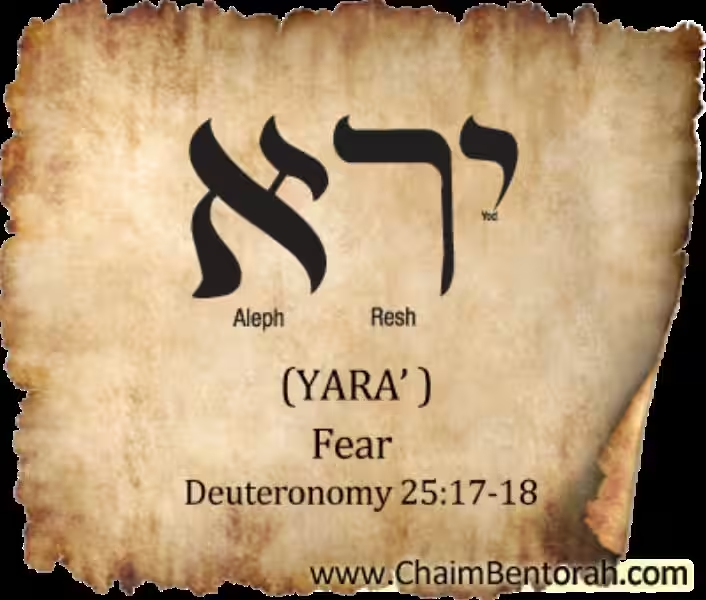
Understanding the Hebrew word yirah (יראה) and its implications is crucial for comprehending various biblical texts. Often translated as "fear," yirah encompasses a much richer and more complex emotional landscape than the simple, modern understanding of fear suggests. It's not the paralyzing terror we experience when facing immediate danger; instead, it's a profound reverence, awe, and respect, sometimes tinged with a sense of trembling before the divine. This article delves into the multifaceted nature of yirah, exploring its varied interpretations and implications.
The Multifaceted Nature of Yirah
The simplistic translation of yirah as "fear" often misrepresents its nuanced meaning within the Hebrew Bible. While fear is certainly a component, yirah is far more multifaceted, encompassing profound awe, reverence, and even a sense of trembling before the majesty of God. It's the feeling one might experience standing before a breathtaking natural wonder, a powerful work of art, or an overwhelming display of human achievement. It's a feeling of being humbled by something vastly greater than oneself.
Consider the descriptions of Moses' encounter with God on Mount Sinai. The text depicts Moses as experiencing fear, but this fear isn't a primal, self-preserving reaction. Instead, it's a reaction born of reverence and awe before the divine glory. This profound sense of the divine presence is central to the meaning of yirah.
Yirah in Biblical Context
The Hebrew Bible uses yirah in various contexts, illustrating its complex emotional range. The phrase "וְיָרֵאתָ מֵּאֱלֹהֶיךָ" ("and you shall fear your God") appears repeatedly, underscoring its importance in the Jewish faith. However, this "fear" isn't meant to instill terror or dread. Instead, it's a call to reverence and obedience, acknowledging God's supreme power and authority.
This concept is further explored in Psalm 27, where the psalmist expresses both fear and trust in God. The psalm highlights the paradoxical relationship between fear and faith: God is simultaneously the source of fear and the ultimate source of comfort and protection. This duality mirrors the human experience, where we can both name our deepest fears and simultaneously find the strength to confront them.
Psalms and the Experience of Yirah
The Psalms offer numerous examples of yirah expressed through poetic language and imagery. The sheer power and majesty of God's creation, along with God's intervention in human affairs, inspire awe and reverence. Often, this awe is accompanied by a sense of trembling or humility in the face of the divine. It's a feeling of being humbled by the immensity of God's power and the mystery of God's ways.
The experience described in the Psalms isn't one of simple fear, but rather a complex interplay of emotions. It’s a feeling that acknowledges both the awe-inspiring magnificence of God and the vulnerability of humanity. This emotional complexity is integral to understanding yirah within its biblical context.
Yirah and Contemporary Understanding
Modern interpretations of "fear" often fail to capture the full depth and complexity of yirah. The word evokes a spectrum of emotions – from simple apprehension to profound awe. The English language lacks a single word that encompasses the same range of meanings. Therefore, relying solely on "fear" as a translation can be misleading, obscuring the rich theological and emotional significance of yirah.
Translating yirah simply as "fear" risks reducing the concept to a primitive, self-preserving instinct. In contrast, the biblical use of yirah often suggests a reverential respect or a profound sense of awe before the divine. This nuance is vital for understanding the relationship between humanity and the divine as portrayed in the Hebrew Bible.
Yirah as a Catalyst for Action
One crucial aspect of yirah, often overlooked, is its potential to inspire action rather than paralysis. While fear can be immobilizing, the awe and reverence associated with yirah can motivate individuals to act in accordance with God's will. This action isn't driven by the fear of punishment, but rather by a deep desire to honor and serve a God worthy of such profound respect.
This understanding of yirah connects to the concept of chesed (loving-kindness), often associated with acts of compassion and justice. The profound awe and respect inspired by yirah can lead individuals to engage actively in social justice, seeking to build a world reflective of God's values.
Conclusion: Embracing the Complexity of Yirah
The Hebrew word yirah transcends a simple understanding of "fear." It captures a multifaceted human response to the divine, characterized by awe, reverence, and a profound sense of humility. Understanding this complexity is crucial for interpreting biblical texts and engaging with the rich theological traditions surrounding the concept of the divine. By acknowledging the nuances of yirah, we can gain a deeper appreciation for the relationship between humanity and the divine, fostering a more meaningful and engaged faith. It’s a fear, if you will, that leads to life, not death.
Frequently Asked Questions about *Yirah* (יראה)
What is Yirah?
Yirah (יראה) is a Hebrew word often translated as "fear" in English Bibles, but this is a significant oversimplification. While it can include elements of fear and trembling, particularly in the face of God's majesty and power, yirah more accurately encompasses a profound sense of awe, reverence, and respect. It's a response to encountering something vastly greater than oneself, a feeling that mixes wonder, humility, and a deep sense of the sacred. Think of it less as being frightened and more as being overwhelmed by the magnificence of God's presence and power. The experience of yirah can be deeply moving and transformative.
How is Yirah different from other Hebrew words for fear?
Hebrew possesses several words for fear, each with distinct connotations. Yirah differs from words like eimah (אימה, terror) and pachad (פחד, dread or fright). While yirah may include a sense of awe that borders on fear, it's distinct from the paralyzing terror of eimah or the simple fright expressed by pachad. Yirah is a more complex and nuanced emotion, a respectful apprehension in the presence of the divine rather than a purely negative or self-preserving response.
How is Yirah depicted in the Bible?
The Bible portrays yirah in various contexts. Moses' experience before God's glory on Mount Sinai is a classic example – not a fearful cowering, but an overwhelming awe and reverence before the divine presence. The Israelites' response to God's revelation at Sinai also demonstrates yirah. Furthermore, Proverbs often associates yirah with wisdom and the beginning of true understanding, suggesting that a respectful awe of God is foundational for a life of purpose and discernment. The Psalms frequently depict yirah as both a response to God's power and a source of comfort and strength.
What are the implications of Yirah?
The experience of yirah has several key implications:
-
Worship: Yirah naturally leads to worship and adoration. The overwhelming sense of God's power and majesty compels humility and a desire to offer praise and reverence.
-
Obedience and Wisdom: Recognizing God's transcendence encourages obedience and wise decision-making. The awe inspired by God's greatness fosters caution and a desire to align one's life with God's will.
-
Hope: While acknowledging God's immensity, yirah ultimately leads to hope. It’s a recognition of our limited understanding and a humbling acceptance of God's sovereignty, which can be a source of profound trust and assurance.
Can Yirah be experienced today?
Absolutely. While direct encounters with God's overwhelming presence as described in the Bible might be rare, the feeling of awe and reverence inspired by the vastness of creation, the complexity of the universe, or the profound mystery of existence can be seen as a modern form of yirah. Experiencing the beauty of nature, contemplating profound philosophical questions, or engaging in acts of selfless service can all evoke a sense of yirah, a humbling recognition of something greater than ourselves. This experience can be deeply spiritual and profoundly transformative.