
God in Tree: Exploring the Global Pantheon of Tree Deities
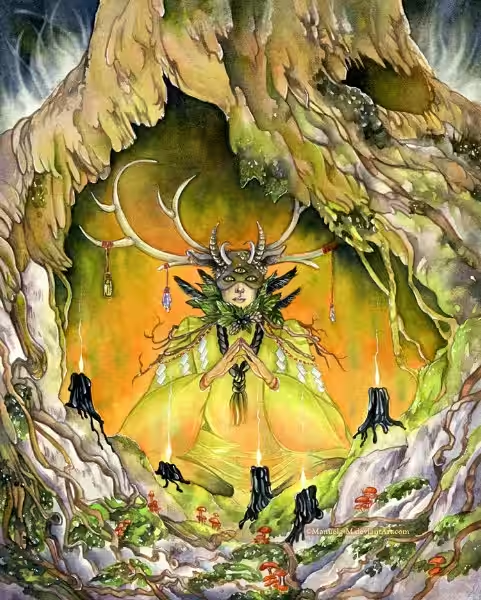
Tree deities, or tree spirits, represent a fascinating aspect of global mythology and spirituality. These nature deities, deeply entwined with the life and symbolism of trees, offer a window into diverse cultural beliefs and practices across centuries. Their roles and characteristics vary widely, reflecting the multifaceted relationship between humanity and the natural world.
- The Diverse Roles of Tree Deities
- Benevolent and Malevolent Aspects
- Global Examples of Tree Deity Worship
- Enduring Cultural Relevance
-
Frequently Asked Questions: Gods in Trees
- What are tree deities or tree spirits?
- Are tree deities always female?
- Can tree deities be malevolent?
- What are some examples of tree deities?
- What is the historical significance of tree deity worship?
- How are tree deities depicted in art and literature?
- What is the continued cultural relevance of tree deities?
- Where did the worship of tree deities originate?
- Are tree deities still worshipped today?
- What role do trees play in the concept of tree deities?
The Diverse Roles of Tree Deities
Tree spirits are not a monolithic entity. Their depictions range significantly, from benevolent nature spirits akin to fairies or nymphs to powerful goddesses capable of both blessing and cursing. This spectrum of power and benevolence reflects the diverse cultural interpretations of trees themselves. In many societies, trees symbolize fertility, life, growth, and a profound connection to the natural world—attributes naturally reflected in the deities associated with them.
The gender of these deities is equally diverse. While many cultures depict them as young women, often linked to ancient fertility rites and tree worship traditions, male tree spirits also feature prominently in various mythologies. This diversity underscores the nuanced and multifaceted nature of the relationship between humans and the natural world, with the "god in tree" manifesting in a variety of forms and genders.
Benevolent and Malevolent Aspects
The prevailing image of tree deities is often one of benevolence, but this isn't universally true. Many tree spirits, like the Yakshinis in Indian folklore, embody a duality, capable of both bestowing blessings and inflicting harm. These Yakshinis, associated with trees like the ashoka and sal, highlight the complexity of these spiritual entities and the unpredictable nature of the natural world they represent. Their sometimes malevolent aspects act as a reminder that nature, while often bountiful, can also be unforgiving.
Global Examples of Tree Deity Worship
The worship of tree deities is not confined to a single region or culture. Numerous examples illustrate its global prevalence and enduring influence.
South Asian Examples
In Tamil culture, deities like Panaiveriyamman, associated with the palmyra palm, and those linked to tamarind and kadamba trees, directly connect tree spirits with agricultural abundance. This highlights the practical and spiritual importance of these deities in daily life, demonstrating the "god in tree" as a provider and protector.
Southeast Asian Examples
Thailand's Nang Mai, encompassing both male and female tree ghosts like Nang Takian and Nang Tani, further exemplifies the integration of tree spirits into local folklore and belief systems. These stories, passed down through generations, demonstrate the continued relevance of these entities in shaping cultural narratives and spiritual practices.
Northern European Traditions
Ancient Northern European cultures also revered tree spirits extensively. However, this practice faced significant suppression during and after the reign of Charlemagne. Documents like the Capitulatio de partibus Saxoniae (782) and the Synod of Trier (1227) explicitly banned tree and spring worship, highlighting the deliberate effort to eradicate pre-existing spiritual traditions. The suppression itself underscores the deep-rooted nature of tree worship in these pre-Christian societies.
Enduring Cultural Relevance
The cultural relevance of tree deities persists even today. The Japanese cherry tree spirit, Kurozome, and the portrayal of tree spirits in various artistic mediums exemplify this continuing influence. Plays like "Love Story at the Snow-covered Barrier," featuring a courtesan embodying the spirit of a black cherry tree, showcase the ongoing integration of these figures into contemporary narratives. Similarly, depictions like the Yakshi under an ashoka tree in Bharhut Stupa demonstrate their enduring artistic representation across centuries and cultures.
The god in tree, therefore, isn't merely a relic of the past, but a living element in the cultural and spiritual landscapes of many societies. These stories, art, and continued reverence demonstrate the enduring power of the relationship between humanity and the natural world, a bond symbolized powerfully by the tree and the spirits that inhabit them. The diversity of these figures underscores the multifaceted relationship between humankind and the natural world, with trees serving as powerful symbols and focal points for spiritual beliefs. The continued presence of these beliefs demonstrates the ongoing relevance of understanding the deep spiritual and cultural connections between humanity and the natural world. The "god in tree" remains a potent symbol of life, fertility, and the enduring power of nature.
Frequently Asked Questions: Gods in Trees
What are tree deities or tree spirits?
Tree deities, or tree spirits, are nature deities associated with trees. Found across numerous cultures globally, their roles vary widely. They can be benevolent local spirits, similar to fairies or nymphs, or powerful goddesses and gods. This diversity reflects the varied cultural significance of trees, often symbolizing fertility, life, and the connection to the natural world.
Are tree deities always female?
While many cultures depict tree deities as female, particularly young women linked to fertility rites and tree worship, male tree spirits also exist. The representation of gender within this spiritual typology is diverse.
Can tree deities be malevolent?
While often benevolent, tree deities aren't always so. Some, like certain Yakshinis in Indian folklore, can exhibit both benevolent and malevolent characteristics. Their nature depends on the specific cultural context and the individual deity.
What are some examples of tree deities?
Examples include Panaiveriyamman (Tamil culture), a fertility deity associated with the palmyra palm; various deities connected to tamarind and kadamba trees (also Tamil); Thailand's Nang Mai (encompassing both male and female tree ghosts like Nang Takian and Nang Tani); and the Japanese cherry tree spirit, Kurozome.
What is the historical significance of tree deity worship?
Tree deity worship was widespread in many pre-Christian societies, particularly in Northern Europe. However, religious authorities, such as Charlemagne, actively suppressed this practice, as evidenced by documents like the Capitulatio de partibus Saxoniae (782) and the Synod of Trier (1227). This suppression highlights the deep roots of tree worship in these cultures.
How are tree deities depicted in art and literature?
Tree deities are frequently depicted in art and literature across various cultures and time periods. Examples include the Yakshi under an ashoka tree in Bharhut Stupa and the portrayal of a courtesan embodying a black cherry tree spirit in the play "Love Story at the Snow-covered Barrier." These depictions highlight their enduring cultural relevance.
What is the continued cultural relevance of tree deities?
Tree deities maintain cultural significance in various societies today. Their continued presence in artistic expressions, folklore, and cultural practices shows the enduring power of these spiritual figures and their connection to the natural world. They serve as potent symbols of the complex relationship between humanity and nature.
Where did the worship of tree deities originate?
The worship of tree deities isn’t tied to a single origin point. Evidence suggests independent development across numerous cultures worldwide. The common thread is the deep-seated reverence for trees and the natural world found in many societies.
Are tree deities still worshipped today?
While widespread organized worship may have diminished in certain areas due to historical suppression, the spiritual significance of trees and the associated deities persists in various forms in many cultural traditions globally. Their influence is subtly interwoven into modern beliefs and practices.
What role do trees play in the concept of tree deities?
Trees themselves are central to the concept. They serve as physical manifestations and symbolic embodiments of the deities. Their association with fertility, life, and the natural world lends itself to the spiritual significance bestowed upon them and the deities they represent.