
Unleashing Your Potential: A Guide to Vision Mapping
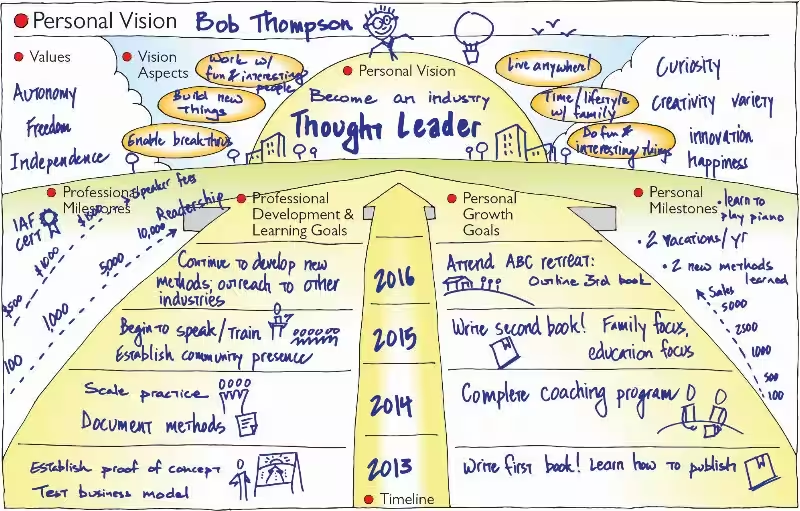
Are you struggling to translate your big dreams into tangible results? Do you feel overwhelmed by the sheer scale of your aspirations? Vision mapping might be the answer. It's a powerful tool that transforms abstract goals into achievable steps, providing a clear path to success. This article explores the principles and practical applications of vision mapping, showing you how to harness its power for personal and professional growth.
Understanding the Power of Vision Mapping
Vision mapping is more than simply setting goals; it's about crafting a detailed, actionable roadmap to reach them. It blends the creative power of visualization with the strategic rigor of planning. Think of it as creating a detailed map to navigate your journey towards your desired future. This isn't about blind optimism; it's about proactive planning and strategic execution. By clearly visualizing your destination, you can anticipate challenges, identify resources, and stay focused on the journey.
The beauty of vision mapping lies in its iterative nature. It's not a static plan set in stone, but a dynamic tool that adapts as your circumstances change. Regular review and adjustments ensure your map remains relevant and effective, guiding you towards success even when faced with unexpected twists and turns.
The Neuroscience Behind Vision Mapping's Effectiveness
The effectiveness of vision mapping is deeply rooted in neuroscience. Numerous studies have demonstrated a strong link between visualization and achievement. When you vividly imagine your goals, you activate specific neural pathways in your brain. This activation boosts motivation, enhances focus, and improves overall performance. Essentially, you're training your brain to recognize and seek out opportunities aligned with your vision. This proactive approach significantly increases your chances of success. This isn't just wishful thinking; it's harnessing the power of your own mind to propel you forward.
This neurological impact isn't just theoretical; it's measurable. Studies show improved performance in athletes who visualize their routines and increased success rates in individuals who consistently visualize their desired outcomes. By actively engaging in visualization through vision mapping, you're fundamentally altering your brain's response to your goals, shifting from passive dreaming to active pursuit.
From Overwhelming Goals to Manageable Steps
One of the key benefits of vision mapping is its ability to break down large, intimidating objectives into smaller, more manageable tasks. This incremental approach combats feelings of overwhelm and fosters a sense of accomplishment as you reach each milestone. This positive reinforcement keeps you motivated and prevents discouragement, ensuring you maintain momentum throughout the entire process. This is crucial, as many ambitious projects fail not because of inherent impossibility, but because of the initial feeling of being overwhelmed.
The visual representation of your vision map serves as a constant reminder of your goals, keeping them top-of-mind and driving consistent action. This is particularly helpful in maintaining focus amidst the distractions of daily life. The map visualizes not just the end goal, but the entire pathway, allowing you to track your progress and stay actively engaged in moving towards your desired outcome.
Creating Your Vision Map: A Step-by-Step Guide
Creating an effective vision map requires a thoughtful and structured process. Here's a step-by-step guide to help you get started:
1. Define Your Desired Outcome
Begin by clearly articulating your ultimate goal. Be specific and detailed. What exactly do you want to achieve? The clearer your vision, the more effective your map will be. Avoid vague aspirations; focus on concrete, measurable outcomes.
2. Identify Necessary Steps
Once your ultimate goal is defined, break it down into smaller, actionable steps. These steps should be realistic and achievable within a reasonable timeframe. Consider the resources you'll need for each step and anticipate potential obstacles.
3. Allocate Resources Effectively
Identify the resources—time, money, skills, people—required for each step. Allocate these resources strategically to ensure efficient progress. This might involve seeking help, learning new skills, or adjusting your timeline.
4. Regularly Review and Update
Your vision map shouldn't be a static document. Regularly review and update it to reflect changes in your circumstances, priorities, or the progress you've made. This flexibility is key to ensuring your map remains a relevant and effective tool throughout your journey.
Vision Mapping: A Powerful Tool for Transformation
In essence, vision mapping empowers you to move beyond simply dreaming and actively pursue your aspirations. It transforms abstract goals into concrete realities by providing a clear, actionable roadmap. By combining creative visualization with strategic planning, vision mapping offers a powerful and effective method for achieving both personal and professional success. It's a journey, not a destination, and the map is your constant companion, guiding you towards achieving the life you envision.
What is Vision Mapping?
Vision mapping is a powerful technique that transforms abstract aspirations into concrete, achievable goals. It's more than just setting goals; it's about creating a detailed, actionable roadmap to reach them. It combines creative visualization with strategic planning, making it beneficial for personal and professional development. The process involves visualizing your desired future and breaking it down into manageable steps, creating a clear path to success.
How does Vision Mapping work?
Vision mapping starts with clearly defining your desired outcome. Then, you systematically deconstruct this outcome into smaller, achievable steps. This isn't wishful thinking; it's a structured, strategic approach. By creating a visual representation of your goal and the steps needed to reach it, you build a focused plan, identify necessary resources, and anticipate potential obstacles. The map serves as a constant reference point, allowing for progress tracking and adjustments as needed.
What are the benefits of Vision Mapping?
Vision mapping leverages the power of visualization, which is strongly linked to achievement. Visualizing your goals activates neural pathways that boost motivation, focus, and overall performance. It essentially "trains" your brain to proactively seek opportunities aligned with your vision. The incremental nature of the process fosters a sense of accomplishment with each milestone, maintaining momentum and preventing discouragement. The visual map itself acts as a constant reminder, keeping your goals top of mind.
How is Vision Mapping different from simply setting goals?
Unlike vague aspirations, a vision map provides a concrete framework. It breaks down large, overwhelming objectives into smaller, manageable tasks. This makes the process less daunting and more achievable. Furthermore, the visual nature of the map makes it a more engaging and memorable tool for planning and tracking progress. It encourages creative problem-solving and a unique approach to achieving your goals.
Is Vision Mapping suitable for everyone?
Yes! Vision mapping can be adapted to suit various goals, from personal aspirations (like learning a new skill or improving fitness) to professional objectives (like launching a new product or growing a business). The flexibility of the process makes it applicable across diverse contexts and individual needs.
How do I create a Vision Map?
Creating a vision map involves several key steps: 1) Clearly define your desired outcome. 2) Identify the necessary steps to achieve your goal. 3) Allocate resources effectively. 4) Regularly review and update your map to ensure it remains aligned with your evolving circumstances and priorities. Remember, it's an iterative process, allowing for flexibility and adaptation.
What if my circumstances change?
The beauty of vision mapping lies in its adaptability. Regular review and updates are crucial. As your circumstances change, you can adjust your map accordingly, ensuring it remains a dynamic tool for achieving your goals. This flexibility makes it a valuable asset in navigating an ever-changing environment.