
Understanding the Role of the Vine Dresser: A Spiritual Analogy
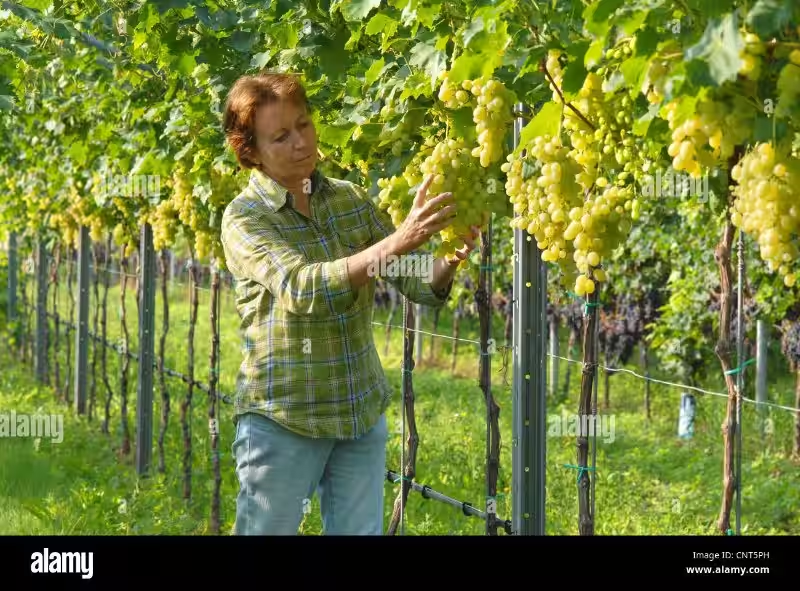
The imagery of the vine dresser in John 15 is more than just a pretty picture; it's a profound metaphor for God's relationship with believers. Understanding the diligent work of a vine dresser helps us grasp the spiritual principles of abiding in Christ and the transformative power of God's pruning. This article will delve into the multifaceted role of the vine dresser, exploring its practical implications for our spiritual lives.
- The Vine Dresser's Meticulous Craft
- Beyond Pruning: The Art of Repositioning
- The Spiritual Pruning Process: Pain and Growth
- The Role of the Vine Dresser and Abiding in Christ
-
Frequently Asked Questions: The Vinedresser and Spiritual Growth
- What is a vinedresser in the context of John 15?
- What does the pruning of the vines represent spiritually?
- Why does the vinedresser remove some branches entirely?
- What does the repositioning of the vine represent spiritually?
- How does the vinedresser's work relate to spiritual fruitfulness?
- Is the pruning process always painful?
- What is the ultimate goal of the vinedresser's work?
The Vine Dresser's Meticulous Craft
The task of a vine dresser extends far beyond simply pruning unruly branches. It’s a year-round commitment demanding skill, patience, and a deep understanding of the vine's needs. Picture a vineyard in full bloom, each vine a complex network of canes, leaves, and fruit. The vine dresser carefully examines each vine, identifying areas needing attention.
This isn't a haphazard process; it's a precise art. The vine dresser knows that uncontrolled growth leads to weak, diluted fruit. Therefore, he strategically removes unproductive canes, allowing the vine's energy to focus on developing healthier, more fruitful growth. He might even remove seemingly healthy canes to encourage stronger growth elsewhere on the vine. This careful attention to detail exemplifies the meticulous care God invests in the lives of his believers.
Beyond Pruning: The Art of Repositioning
The analogy of the vine dresser goes beyond simply pruning. A skilled vine dresser knows that the position of the vine itself is crucial for optimal growth. Grapevines naturally grow downwards, becoming susceptible to disease and hindering sunlight exposure. Therefore, a crucial part of the vine dresser's job is to physically reposition the vines, propping them up and training them to grow upwards. This ensures proper airflow and sunlight penetration, maximizing fruit production.
This act of repositioning beautifully illustrates how God sometimes alters our circumstances—a job change, a move to a new city, a significant relationship shift—to optimally position us for spiritual growth and fruitfulness. These adjustments, though often unsettling, serve a greater purpose in aligning us with God's plan for our lives, ensuring that we receive the necessary sunlight (spiritual nourishment) to flourish.
The Spiritual Pruning Process: Pain and Growth
The most well-known aspect of the vine dresser's work is pruning. While pruning might seem harsh, it's essential for the vine's health and fruitfulness. The vine dresser removes diseased or unproductive branches, preventing them from sapping the vine's energy and hindering the growth of healthy parts. He also prunes healthy branches to encourage further branching and fruiting.
Similarly, God prunes our lives. This pruning, often described as seasons of intense loss or trial, can feel painful. It might involve the removal of relationships, habits, or even seemingly positive aspects of our lives that prevent us from fully bearing the fruit God intends. But just as pruning a healthy vine results in a more bountiful harvest, God's pruning allows us to grow stronger spiritually and bear the fruit of the Spirit more abundantly.
Types of Spiritual Pruning:
- Removing unproductive habits: These are habits or behaviors that hinder our spiritual growth, such as gossip, unforgiveness, or addiction.
- Cutting away unhealthy relationships: Toxic relationships can drain our energy and prevent us from flourishing.
- Challenging comfortable routines: Sometimes God calls us to step outside our comfort zones, which can involve significant adjustments to our lives.
The Role of the Vine Dresser and Abiding in Christ
The vine dresser's work highlights the importance of abiding in Christ. Just as branches must remain connected to the vine to receive life and nourishment, we must remain connected to Christ. The vine dresser's actions—repositioning, pruning, and removing dead branches—all serve to ensure the vine's connection to the source of life. Our abiding in Christ, then, is characterized by obedience to His commands, walking in the Spirit, and loving one another as He loved us. This loving, obedient life is the essence of remaining connected to the vine.
The imagery of the vine dresser reminds us that God’s work in our lives is not punitive but redemptive. Even the seemingly harsh pruning is undertaken out of love, aiming to produce abundant fruit—fruit that glorifies God and brings joy to both Him and us. The vine dresser, in his diligent labor, is a powerful symbol of God's unwavering commitment to our spiritual growth and flourishing, even amidst the challenges and trials of life. Understanding this analogy enhances our appreciation for the depth of God's love and His active role in shaping us into the fruitful disciples He desires us to be.
Frequently Asked Questions: The Vinedresser and Spiritual Growth
What is a vinedresser in the context of John 15?
The vinedresser, in the analogy of John 15, represents God the Father. He actively cultivates and cares for the believers (the branches) who are connected to Christ (the vine). This care involves more than simply pruning; it includes repositioning, supporting, and ensuring the overall health and fruitfulness of the believers.
What does the pruning of the vines represent spiritually?
The pruning of the vines symbolizes the refining work of God in the lives of believers. This process, while sometimes painful and seemingly destructive, is ultimately intended to remove unproductive or hindering aspects of our lives, allowing us to bear more and better spiritual fruit. It's not a punishment but an act of love designed to cultivate greater spiritual growth and yield. Even seemingly healthy areas of our lives may be pruned to encourage even more abundant spiritual fruit.
Why does the vinedresser remove some branches entirely?
The removal of entire branches represents the separation of those who are not abiding in Christ. These branches, disconnected from the source of life, wither and die, illustrating the spiritual consequence of failing to remain connected to God through obedience and faith. This is not an act of rejection but a consequence of choosing to live outside of relationship with Christ.
What does the repositioning of the vine represent spiritually?
The repositioning of the vine signifies how God might adjust our circumstances – through changes in our lives, relationships, or environments – to optimize our spiritual fruitfulness. While these adjustments may initially feel unsettling or uncomfortable, they are ultimately intended to promote healthy growth and allow us to produce more fruit for God's glory.
How does the vinedresser's work relate to spiritual fruitfulness?
The vinedresser's meticulous care—pruning, repositioning, and removing dead wood—is directly related to the abundance of spiritual fruit in the believer's life. By actively participating in the process of abiding in Christ and surrendering to God's will, we allow Him to cultivate our lives, leading to greater spiritual growth and a more abundant harvest of love, joy, peace, patience, kindness, goodness, faithfulness, gentleness, and self-control (Galatians 5:22-23).
Is the pruning process always painful?
The analogy suggests that while the pruning process can be painful, mirroring seasons of loss or difficulty, it is ultimately transformative and leads to greater fruitfulness. The pain is temporary and serves a purpose in shaping and refining us to be more productive in God's kingdom.
What is the ultimate goal of the vinedresser's work?
The ultimate goal of the vinedresser's work is to bring glory to God through the abundant spiritual fruit produced by the believers. This fruit is a reflection of God's grace and love working in our lives, and it brings joy both to God and to those who bear it. It's a testament to the love and care at the heart of God's relationship with His people.