
The Same Power That Raised Jesus From the Dead Verse: Understanding Romans 8:11 and its Implications
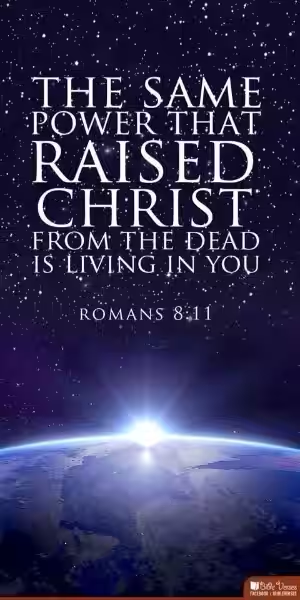
Many Christians have pondered the profound implications of Romans 8:11, a verse that speaks of a power capable of raising Jesus from the dead and offering a similar hope to believers. This article explores the meaning and significance of this verse, examining the power it describes and its impact on our understanding of faith, resurrection, and the Holy Spirit. We'll delve into the theological implications and provide a deeper understanding of this pivotal passage.
- The Power of the Indwelling Spirit: Romans 8:11
- The Resurrection: Not Just a Past Event
- The Trinity and the Resurrection: A Collaborative Act
- The Same Power That Raised Jesus From the Dead: A Living Hope
-
Frequently Asked Questions: The Power That Raised Jesus from the Dead
- What Bible verse(s) specifically refer to the power that raised Jesus from the dead?
- What does it mean that the Spirit of God raised Jesus from the dead?
- How does the Spirit's role in the resurrection connect to believers today?
- Does this mean believers can also raise the dead?
- What is the significance of the Trinity in the resurrection narrative?
- What hope and assurance does this offer believers?
The Power of the Indwelling Spirit: Romans 8:11
Romans 8:11 states, "If the Spirit of God, who raised Jesus from the dead, is living in you, he who raised Christ from the dead will also give life to your mortal bodies because of his Spirit who lives in you." (NIV). This seemingly simple sentence holds a wealth of meaning, emphasizing several key points.
The primary focus is on the indwelling Spirit. This isn't a mere presence, but an active, transformative force living within each believer. It's the same Spirit that brought about the astounding miracle of Jesus' resurrection. This isn't simply metaphorical; it's a tangible reality underpinning the Christian experience. The Spirit isn't just a passive observer; it's an active agent of transformation, working within us to bring about spiritual and eventual physical renewal.
The verse clearly links the resurrection of Jesus to the life of believers. The same power responsible for Jesus' triumph over death is at work in the lives of those who have the Spirit of God dwelling within them. This connection isn't incidental; it's fundamental to the Christian faith. It speaks to the continuity and consistency of God's actions, past, present, and future.
The Resurrection: Not Just a Past Event
The resurrection of Jesus, powered by the Spirit, isn't a singular historical event confined to the past. It holds profound implications for the present and future lives of believers. This isn't about merely believing in the resurrection; it's about understanding the power behind it and its ongoing effects.
The power that raised Jesus is not simply a historical anecdote; it's a living, active force. This same transformative power is available to believers today, offering hope and assurance. This promise isn't simply about a future event; it reflects the present reality of the Spirit's active work within us. The future resurrection is presented as a natural consequence of the Spirit's current work, a guarantee of God's faithfulness and commitment to His children.
The Transformative Power of the Spirit
The Spirit's presence isn't passive; it's transformative. It's a power that regenerates, renews, and empowers. This isn't an automatic process, but one that requires faith, obedience, and a willingness to yield to the Spirit's influence. The Spirit works on believers, bringing about spiritual growth, moral transformation, and a growing resemblance to Christ.
This transformative power extends beyond the spiritual realm. The promise of future resurrection speaks to a complete renewal, encompassing both the spiritual and physical aspects of our beings. The same power that conquered death in Jesus will ultimately conquer death in us, bringing about a complete transformation into glorified bodies. This is an understanding that should instill both hope and motivation to live a life pleasing to God.
The Trinity and the Resurrection: A Collaborative Act
Romans 8:11, when viewed within the broader context of Christian theology, highlights the collaborative nature of the Trinity in the work of salvation. The resurrection isn't solely attributed to the Father, the Son, or the Holy Spirit, but rather to the unified action of the Godhead. The Father's plan, the Son's sacrifice, and the Spirit's power all contribute to this momentous event. This underscores the interconnectedness and indivisibility of the three persons of the Trinity.
The Spirit's role in the resurrection underscores the ongoing work of the Trinity in the lives of believers. It's not just a past event; it's a dynamic reality shaping the lives of those who follow Christ. This ongoing work of the Trinity promises continued grace, strength, hope, and assurance of ultimate victory through Christ. The power that raised Jesus from the dead is the very same power sustaining and transforming us today, offering ongoing comfort and guidance.
The Same Power That Raised Jesus From the Dead: A Living Hope
Romans 8:11 is more than just a verse; it is a promise, a powerful assurance of God's love and faithfulness. It's a declaration of hope, not simply for an eventual resurrection, but for a present transformation empowered by the same Spirit who raised Jesus from the dead – a transformation that continues to unfold in the lives of believers. This understanding brings comfort, strength, and a renewed purpose to live a life dedicated to God’s glory. The power that conquered death in the past is the same power that empowers believers in the present and guarantees their future.
Frequently Asked Questions: The Power That Raised Jesus from the Dead
What Bible verse(s) specifically refer to the power that raised Jesus from the dead?
While several passages allude to this, Romans 8:11 is a key verse often cited. It states that "the Spirit of God, who raised Jesus from the dead, lives in you." Other verses, such as Ephesians 1:19-20, highlight God's immeasurable power, the same power that resurrected Christ. These verses, while not identical in wording, convey the same powerful truth. The precise wording varies slightly across different Bible translations but the fundamental message remains consistent.
What does it mean that the Spirit of God raised Jesus from the dead?
This signifies that Jesus' resurrection wasn't a natural event, but a divine act orchestrated by the Holy Spirit. It underscores the supernatural nature of the resurrection, confirming God's active participation in Jesus's victory over death. This demonstrates God's immense power and unwavering commitment to his Son, confirming the efficacy of God's plan of salvation.
How does the Spirit's role in the resurrection connect to believers today?
The Spirit's agency in the resurrection establishes a vital connection between the resurrected Christ and believers. The same Spirit who raised Jesus now dwells within those who believe, offering hope, spiritual regeneration, and assurance of their own future resurrection – a tangible link to the power that overcame death. It empowers us and acts as a guarantee of our future life with God.
Does this mean believers can also raise the dead?
No. Ephesians 1:19-20, for example, highlights God's immeasurable power, the same power that resurrected Christ and seated Him at God's right hand. This passage doesn't grant believers the ability to perform miracles like raising the dead. The power referenced is the assurance of God's power working on our behalf, ensuring our salvation and future inheritance. It's "power toward us," not power within us to replicate Christ's miracles.
What is the significance of the Trinity in the resurrection narrative?
The resurrection wasn't solely the act of the Father, the Son, or the Holy Spirit alone, but a unified act of the entire Godhead. The Spirit’s role emphasizes the collaborative nature of the Trinity in achieving salvation, showcasing the interconnectedness and indivisibility of the three persons in one God. This underscores the magnitude of God's love and the totality of his plan for humanity.
What hope and assurance does this offer believers?
The Spirit's role in raising Jesus offers believers unwavering assurance of their own resurrection and future life with God. Knowing that the same power resides within them provides comfort, strength, and a solid foundation for living a life dedicated to God. It shows that death is not the ultimate end for believers, offering continued grace, strength, and hope for the future.