
Aceite Bíblico: Understanding the Anointing Oil in Scripture
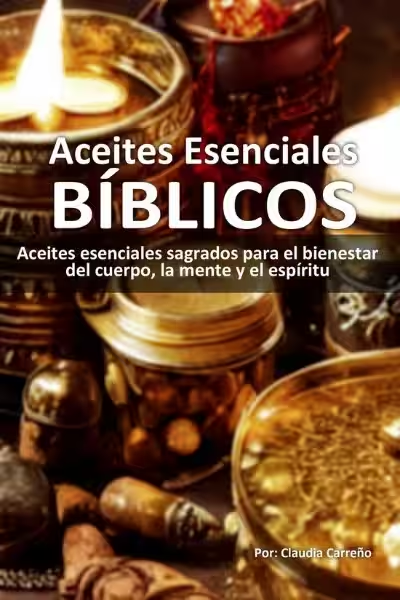
The phrase "aceite biblico," or biblical oil, evokes images of ancient rituals and profound spiritual significance. But what exactly is aceite biblico, and what role did it play in the lives of biblical figures and the development of religious practices? This article explores the use of anointing oil in the Bible, its symbolic meaning, and its relevance for Christians today.
- The Old Testament: Consecration and Holiness
- The New Testament: Diverse Interpretations of Anointing
- Aceite Biblico and the Holy Spirit: A Symbolic Connection
-
Frequently Asked Questions about Anointing Oil in the Bible
- What is the biblical significance of anointing oil in the Old Testament?
- What is the significance of anointing in the New Testament?
- Should Christians use anointing oil today?
- What is the symbolic meaning of anointing oil?
- Are there any specific instructions for making anointing oil?
- Does the Bible suggest any inherent power in the oil itself?
The Old Testament: Consecration and Holiness
The Old Testament details the preparation and use of a specific anointing oil in approximately 20 passages. This wasn't just any oil; it was a meticulously crafted blend, with the recipe detailed in Exodus 30:23-24. This recipe, including myrrh, cinnamon, and other fragrant ingredients, highlights the importance placed on its preparation.
The primary purpose of this aceite biblico was consecration, setting apart individuals and objects for sacred use. The High Priest and his descendants were anointed, as were the Tabernacle and its furnishings. This act symbolized their dedication to God's service and their role in mediating between God and His people. The careful instructions surrounding the oil's creation and use underscored the profound reverence required in approaching God.
It's crucial to note that the Old Testament doesn't attribute inherent magical properties to the oil itself. The power resided not in the aceite biblico's physical properties but in the act of anointing, signifying God's sanctifying presence and the individual's commitment to Him. The emphasis was on obedience and the holiness of God, not on any supposed inherent power within the oil.
The Significance of the Recipe
The specific ingredients and the prohibition against unauthorized reproduction (Exodus 30:32-33) emphasized the sacred nature of the aceite biblico. The detailed instructions weren't arbitrary; they reinforced the importance of following God's precise commands and the holiness associated with His worship. This meticulousness underlines the seriousness of the act of consecration.
The chosen ingredients likely contributed to the oil's longevity and pleasant aroma, enhancing the ritual's solemnity. The forbidden reproduction emphasized the exclusive nature of God's covenant relationship with His chosen people.
The New Testament: Diverse Interpretations of Anointing
The New Testament mentions anointing with oil in a much more limited capacity, only appearing in four passages. Unlike the Old Testament's detailed descriptions, the New Testament offers contextual clues rather than explicit instructions.
Mark 6:13 depicts disciples anointing and healing the sick, suggesting a connection between anointing and physical healing. Luke 7:46 portrays Mary anointing Jesus' feet as an act of profound worship and devotion. James 5:14 advises church elders to anoint the sick with oil and prayer, possibly connecting physical and spiritual healing. Finally, Hebrews 1:8-9 refers to God anointing Jesus with "the oil of gladness," highlighting divine empowerment and the Spirit's presence.
These instances reveal a broader, more diverse interpretation of anointing than the Old Testament's focus on consecration. The emphasis shifts to healing, worship, and divine empowerment, demonstrating the multifaceted nature of anointing in the New Testament context.
The Absence of Prescriptive Usage
It's significant that the New Testament does not prescribe the continued use of anointing oil in the same manner as the Old Testament. The lack of explicit instructions leaves room for interpretation and doesn't provide a blueprint for modern Christian practice. The diverse examples in the New Testament illuminate various aspects of anointing but don't establish a uniform practice.
This lack of prescriptive usage highlights a crucial point: the focus in the New Testament is less on the physical act of anointing and more on the spiritual reality it represents.
Aceite Biblico and the Holy Spirit: A Symbolic Connection
A significant metaphorical connection arises between anointing oil and the Holy Spirit. Matthew 25:1-13, the parable of the wise and foolish virgins, uses oil as a symbol of spiritual preparedness and readiness for Christ's return. This symbolic link suggests that Christians already possess the "oil" – the Holy Spirit – who guides, empowers, and continuously anoints believers.
This interpretation shifts the focus from the literal application of physical aceite biblico to the spiritual reality of the Holy Spirit's presence and work in believers' lives. The symbolic meaning of anointing—sanctification, consecration, empowerment—remains vital, but the physical act is not explicitly commanded.
Modern Interpretations and Practices
The question of whether Christians should use anointing oil today remains a matter of personal conviction and interpretation. The Bible doesn't mandate or forbid it, leaving believers to determine its relevance within their faith. The symbolic meaning, however, remains important. The emphasis should remain on the spiritual reality of the Holy Spirit's work, a continuous anointing of grace and comfort.
Ultimately, the decision regarding the use of aceite biblico today rests on individual understanding of the biblical texts within the broader context of Christian faith and practice. While the physical act of anointing may not be mandated, the spiritual reality it represents—the presence and work of the Holy Spirit—remains central to the Christian experience.
Frequently Asked Questions about Anointing Oil in the Bible
What is the biblical significance of anointing oil in the Old Testament?
In the Old Testament, anointing oil served primarily as a symbol of holiness and consecration. It was used to consecrate the High Priest, his descendants, and the Tabernacle and its furnishings. The specific recipe, detailed in Exodus 30:23-24, was strictly regulated, emphasizing obedience to God and His absolute holiness. The oil itself wasn't believed to possess inherent supernatural power; rather, the act of anointing was the crucial element.
What is the significance of anointing in the New Testament?
The New Testament mentions anointing with oil in fewer instances than the Old Testament, and the contexts are diverse. Mark 6:13 describes disciples anointing and healing the sick; Luke 7:46 shows Mary anointing Jesus' feet as an act of worship; James 5:14 mentions anointing the sick; and Hebrews 1:8-9 speaks of God anointing Jesus with "the oil of gladness." These passages suggest interpretations related to healing, worship, and divine empowerment, but they don't prescribe a continued practice of anointing with oil in the same manner.
Should Christians use anointing oil today?
The Bible does not mandate or forbid the use of anointing oil today. The decision is a matter of personal interpretation. While the Bible often uses oil as a metaphor for the Holy Spirit, the focus should be on the spiritual reality of the Holy Spirit's presence and work in believers' lives, rather than the literal application of physical oil. The symbolic meaning of anointing – sanctification, consecration, and empowerment – remains relevant, but the practice itself isn't explicitly commanded in the New Testament.
What is the symbolic meaning of anointing oil?
The symbolic meaning of anointing oil consistently points to sanctification, consecration, and setting apart for God's purpose. It represents the Holy Spirit's work of cleansing, empowering, and guiding believers. This symbolic meaning remains relevant for Christians today, even if the physical practice of anointing with oil is not universally observed.
Are there any specific instructions for making anointing oil?
The Old Testament provides a specific recipe for anointing oil (Exodus 30:23-24), but its reproduction was strictly forbidden (Exodus 30:32-33). The New Testament offers no instructions for making anointing oil. The focus in the New Testament shifts from the physical oil to the spiritual reality of the Holy Spirit.
Does the Bible suggest any inherent power in the oil itself?
No. The biblical text emphasizes the act of anointing as the significant aspect, not any inherent power in the oil itself. The meticulous instructions for making the oil in the Old Testament highlight obedience and God's holiness, not the oil's intrinsic qualities. The focus is on the act of consecration and the symbolic meaning of the anointing.