
Achieving Peace: Cultivating a Harmonious Peace Neighbor Relationship
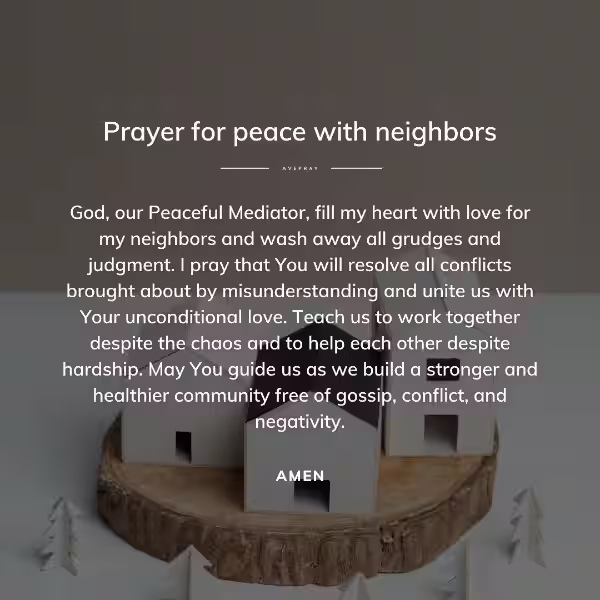
Building positive relationships with your neighbors is crucial for a peaceful and enjoyable life. Disagreements and misunderstandings are inevitable, but proactively fostering a spirit of cooperation and understanding can significantly reduce conflict and create a more harmonious community. This article explores practical strategies for cultivating a peaceful and respectful relationship with your peace neighbor, transforming potential friction into friendly coexistence.
- Understanding the Foundation of Good Neighbor Relations
- Addressing Common Neighborly Disputes
- Building a Positive Peace Neighbor Community
-
Frequently Asked Questions: Peace Neighbor
- What is "Peace Neighbor" about?
- Why is it important to be a good neighbor?
- What are some practical tips for being a peace neighbor?
- How can I resolve conflicts with my neighbor peacefully?
- What if my neighbor is consistently disruptive or disrespectful?
- What role does communication play in being a good neighbor?
- How can I contribute to a more peaceful neighborhood?
- What if I'm new to the neighborhood and don't know my neighbors?
- Are there resources available to help resolve neighborhood disputes?
- What is the long-term benefit of fostering peaceful neighborly relations?
Understanding the Foundation of Good Neighbor Relations
The cornerstone of good neighborly relations lies in mutual respect and consideration. This means being mindful of your actions and their potential impact on those around you. Simple acts of courtesy, such as keeping noise levels down during reasonable hours and promptly addressing any issues that might arise, go a long way in building a positive atmosphere.
Beyond basic courtesy, open communication is paramount. Don't hesitate to introduce yourself to your new neighbors, offering a friendly greeting and an opportunity to build a connection. A simple conversation can lay the groundwork for future interactions and help establish a foundation of trust.
The Importance of Communication
Effective communication is not just about talking; it's about active listening and understanding different perspectives. Before assuming the worst, try to understand your neighbor's point of view. If a problem arises, approach them directly, calmly, and respectfully, expressing your concerns clearly and without accusation.
Remember, a friendly approach is more likely to lead to a positive resolution than a confrontational one. If direct communication proves difficult, consider involving a neutral third party, such as a mediator or community leader, to help facilitate a constructive dialogue.
Addressing Common Neighborly Disputes
Conflicts can occur even among the most well-meaning neighbors. Understanding common sources of friction can help you proactively address potential issues and avoid escalating disagreements.
Noise Disputes
Noise complaints are a frequent source of conflict. Before confronting your neighbor, consider the source of the noise and the time of day. Excessive noise late at night or early in the morning is more likely to be a problem than daytime noise. If you must address the issue, do so politely and respectfully, explaining how the noise is affecting you.
Consider offering suggestions for mitigating the noise, such as suggesting alternative times for activities or recommending noise-reducing measures. Remember, a collaborative approach is more effective than accusatory language.
Property Line Issues
Disputes over property lines are another common source of conflict. Clearly defined property lines are essential to avoid misunderstandings. If you're unsure where your property line lies, consult your property deed or consider hiring a surveyor to establish the boundaries definitively.
Before confronting your neighbor about a perceived encroachment, gather all relevant documentation and then approach them calmly and rationally. Presenting your evidence in a non-confrontational manner will increase the chances of a peaceful resolution.
Pets can be a source of joy, but they can also be a source of conflict with neighbors. Ensure your pets are well-behaved and don't create nuisances such as excessive barking or leaving messes on your neighbor's property.
If your pet is causing problems, address the issue promptly and take steps to rectify the situation. This might involve training your pet, limiting their outdoor access, or cleaning up any messes they might have made. Open communication with your neighbors is key to resolving pet-related disputes peacefully.
Building a Positive Peace Neighbor Community
Creating a positive and peaceful neighborhood is a shared responsibility. Participating in community events, getting to know your neighbors, and being proactive in addressing issues before they escalate, are all crucial steps toward fostering a strong sense of community.
Community Involvement
Participating in neighborhood watch programs, attending community meetings, or volunteering for local initiatives can help build relationships and create a stronger sense of community. These activities provide opportunities to interact with your neighbors in a positive setting and foster a sense of shared responsibility.
By actively participating and showing your commitment to the well-being of your community, you'll contribute to a more harmonious environment for everyone.
Proactive Problem-Solving
Addressing potential problems before they escalate is crucial to maintaining peace. If you see something that might cause a problem, such as a damaged fence or overgrown vegetation, address it promptly. A small problem ignored can quickly escalate into a major conflict.
Openly communicating with your neighbors about potential issues, even if they are minor, shows that you respect their concerns and are committed to maintaining a positive relationship. This proactive approach can prevent many disputes from ever arising.
Respecting Differences
Diversity is a strength of any community. Respecting your neighbors’ differences in lifestyle, culture, and beliefs is crucial for creating a harmonious environment. Even if you don't agree with everything, strive to maintain a respectful and courteous demeanor.
Remember that tolerance and understanding are vital for building a peaceful and inclusive community. Celebrating diversity through community events and interactions can further strengthen neighborly relationships. A strong, peaceful neighbor relationship is built on mutual respect and understanding, making your neighborhood a place where you and everyone around you can feel safe, respected, and at peace.
Since I don't have access to the content of the "Peace Neighbor" article, I will create a hypothetical FAQ section based on what the title suggests. This FAQ assumes "Peace Neighbor" focuses on fostering positive relationships with neighbors and building a peaceful community. Remember to replace this hypothetical content with actual information from the article once you provide it.
Frequently Asked Questions: Peace Neighbor
What is "Peace Neighbor" about?
"Peace Neighbor" explores the importance of positive neighborly relations and offers practical strategies for creating a peaceful and harmonious community. It emphasizes proactive communication, mutual respect, and conflict resolution techniques to build strong neighborhood bonds.
Why is it important to be a good neighbor?
Being a good neighbor contributes to a safer, more supportive, and enjoyable living environment for everyone. Strong neighborhood relationships enhance community spirit, improve property values, and foster a sense of belonging. A peaceful neighborhood is a safer neighborhood.
What are some practical tips for being a peace neighbor?
Practical tips include: introducing yourself to new neighbors, being mindful of noise levels, respecting shared spaces, offering help when needed, participating in community events, and addressing conflicts directly and respectfully. Communication is key.
How can I resolve conflicts with my neighbor peacefully?
Approach the situation calmly and respectfully. Try to understand their perspective. Communicate clearly and directly about your concerns, focusing on solutions rather than blame. If necessary, consider mediation or involving a community leader to help facilitate a resolution.
What if my neighbor is consistently disruptive or disrespectful?
If attempts at peaceful resolution fail, document the incidents (dates, times, specifics) and consider contacting your homeowner's association, landlord, or local authorities depending on the severity and nature of the issue.
What role does communication play in being a good neighbor?
Communication is fundamental to fostering positive relationships. Open, honest, and respectful communication enables understanding, prevents misunderstandings, and facilitates conflict resolution. Regular friendly interactions build trust and connection.
How can I contribute to a more peaceful neighborhood?
Participating in community events, volunteering your time, and being an active and engaged member of your neighborhood demonstrates your commitment to fostering peace and harmony. Simple acts of kindness can go a long way.
What if I'm new to the neighborhood and don't know my neighbors?
Take the initiative to introduce yourself! A simple hello and a brief conversation can go a long way in building connections. Attend neighborhood gatherings or events to meet people and get to know your community.
Are there resources available to help resolve neighborhood disputes?
Many communities offer mediation services or conflict resolution programs specifically designed to assist neighbors in resolving disagreements peacefully. Check with your local government or community organizations for resources.
What is the long-term benefit of fostering peaceful neighborly relations?
Building strong, positive relationships with your neighbors creates a more secure, supportive, and enjoyable community for everyone. It fosters a sense of belonging, enhances property values, and contributes to a higher quality of life.