
Why Do Sheep Lie Down? Understanding the Path to Peace and Contentment
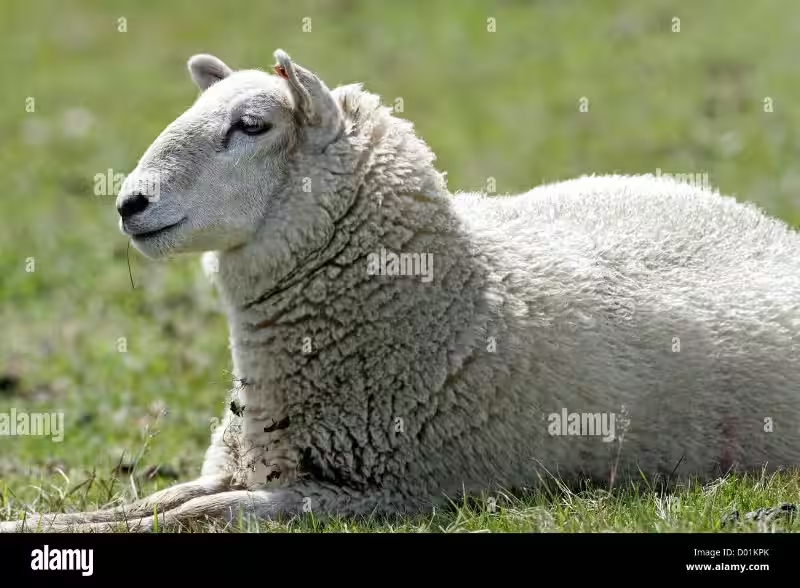
This article explores the powerful metaphor of sheep lying down, drawing from various spiritual perspectives to understand what conditions foster peace and contentment in our lives. We'll examine the factors contributing to a sheep's ability to relax and find rest, and how these same factors apply to our own spiritual journeys.
- The Four Pillars of Peaceful Rest: Why Sheep Lie Down
- Overcoming Internal and External Torment: Why Sheep Lie Down
- The Shepherd's Role: Guiding Us to Rest
- Practical Steps Towards Finding Rest
-
Frequently Asked Questions: Why Sheep Lie Down (A Spiritual Metaphor)
- What does it mean when the article says sheep lie down?
- What are the four conditions necessary for sheep to lie down peacefully, according to the articles?
- How does this metaphor relate to a Christian's relationship with God?
- What is the role of the "shepherd" in this metaphor?
- How can I achieve this state of "lying down" or spiritual rest?
- Is this concept only relevant to Christians?
The Four Pillars of Peaceful Rest: Why Sheep Lie Down
The image of sheep peacefully lying down evokes a sense of tranquility and security. But what conditions must be met for these seemingly docile creatures to actually find rest? Spiritual writers have long used this imagery to illustrate the path to spiritual peace. Several key elements consistently emerge:
The first crucial factor is freedom from fear. Sheep, inherently vulnerable creatures, are easily frightened. The slightest sound or unexpected movement can send them scattering. Similarly, in our lives, fear – whether of the future, of failure, or of loss – can keep us perpetually on edge, preventing us from finding genuine rest. Overcoming this fear requires trust in a higher power, developing inner strength, and proactively addressing anxieties. This might involve prayer, meditation, or simply taking time to consciously breathe and release tension.
Further, a key component in allowing sheep to truly rest is freedom from friction with others. Sheep, like humans, can bicker and squabble amongst themselves. This internal tension disrupts the peace of the flock, making it difficult for any individual sheep to relax. In our own lives, strained relationships, unresolved conflicts, and interpersonal discord can cause significant stress and prevent us from finding inner peace. Focusing on forgiveness, empathy, and healthy communication are essential steps towards creating a more peaceful environment, both within ourselves and in our interactions with others.
Overcoming Internal and External Torment: Why Sheep Lie Down
Next, the concept of freedom from torment by parasites is vital. Parasites weaken and drain a sheep's energy, impacting its overall well-being. This metaphor extends to the negative influences in our lives – toxic relationships, manipulative individuals, or even destructive thought patterns that consume our energy and hinder our growth. Just as a shepherd diligently cares for his flock's physical health, we must actively protect ourselves from these "parasites." This involves setting boundaries, seeking support when needed, and engaging in practices that nourish our spirit and strengthen our resilience – things like spending time in nature, pursuing hobbies, and nurturing positive relationships.
Finally, freedom from hunger is essential for rest. A hungry sheep is restless and agitated, unable to settle down and relax. Similarly, financial worries, anxieties about provision, and feelings of lack can keep us constantly in a state of unease. The remedy here lies in cultivating trust in a higher power, practicing gratitude for what we have, and developing a healthy mindset around abundance. This could involve mindful spending, actively seeking opportunities, and cultivating a belief that our needs will be met.
The Shepherd's Role: Guiding Us to Rest
The shepherd's role extends beyond simply providing for the sheep's physical needs. It's about creating a safe and nurturing environment where the sheep can thrive. The shepherd actively prepares the land for grazing, clearing obstacles, and ensuring there is ample pasture. This mirrors God's role in our lives – guiding us, protecting us, and preparing the path ahead. The shepherd's presence itself is a source of comfort and security, providing the sheep with a sense of belonging and safety. This is analogous to our relationship with God – the source of our peace and strength. When we cultivate a close connection with Him, we are more likely to find the freedom from fear, friction, torment, and hunger that allows us to truly rest. It's in this secure relationship that we find the ultimate answer to the question, "Why do sheep lie down?" It's because they are safe, cared for, and at peace. And this same peace is available to us.
Practical Steps Towards Finding Rest
The imagery of sheep lying down offers a powerful metaphor for finding peace and contentment in our own lives. It’s not merely a passive state but the result of actively addressing the internal and external factors that keep us from finding rest.
Here are some practical steps to help you find your own “green pastures”:
- Identify your fears: Acknowledge and confront the anxieties that keep you from resting.
- Strengthen relationships: Work on resolving conflicts and fostering healthier connections.
- Protect yourself from negativity: Limit exposure to toxic individuals or situations.
- Cultivate a mindset of abundance: Practice gratitude and trust in divine provision.
- Seek spiritual nourishment: Engage in prayer, meditation, and study of scripture.
By actively working towards these goals, we can create a space for ourselves that mirrors the safe and secure environment that allows sheep to lie down in peace, and ultimately find the peace and contentment we all seek. The question, "Why do sheep lie down?" becomes a powerful prompt for self-reflection and a journey towards a more peaceful and fulfilling life.
Frequently Asked Questions: Why Sheep Lie Down (A Spiritual Metaphor)
What does it mean when the article says sheep lie down?
The phrase "sheep lie down" is used metaphorically to represent a state of peace, contentment, and spiritual rest. It's not about literal sheep, but rather about the spiritual condition of individuals. When a sheep lies down, it signifies a lack of anxiety, fear, and internal conflict – a state analogous to spiritual well-being.
What are the four conditions necessary for sheep to lie down peacefully, according to the articles?
Across multiple perspectives, four key conditions allow for this metaphorical "lying down":
-
Freedom from Fear: This refers to overcoming anxieties, worries, and uncertainties. Trusting in a higher power or finding inner peace is crucial here.
-
Freedom from Friction/Internal Tension: This emphasizes the importance of resolving conflicts and fostering positive relationships. A harmonious environment, both internally and externally, is essential for peace.
-
Freedom from Torment/Parasites: This addresses negative influences, spiritual attacks, or unresolved personal struggles that hinder well-being. Seeking spiritual guidance and support is vital here.
-
Freedom from Hunger: This symbolizes the need for spiritual nourishment and provision. It highlights the importance of meeting one's spiritual needs and having faith in provision, whether material or spiritual.
How does this metaphor relate to a Christian's relationship with God?
The metaphor of the shepherd and his sheep is frequently used in the Bible to illustrate God's care and protection of his people. The "shepherd" represents God, and the "sheep" represent believers. The four conditions for peaceful rest symbolize the steps believers can take to achieve spiritual peace and contentment through their faith. By addressing these areas, individuals can cultivate a closer relationship with God and experience the peace he offers.
What is the role of the "shepherd" in this metaphor?
The shepherd actively works to ensure the sheep's well-being, mirroring God's role in our lives. The shepherd's actions—providing for the sheep's needs, protecting them from danger, and guiding them—represent God's care, guidance, and provision for believers. The shepherd's actions of preparing the land for grazing (clearing, seeding, watering) similarly represent God's work in nurturing and cultivating our lives spiritually.
How can I achieve this state of "lying down" or spiritual rest?
Achieving this inner peace involves actively cultivating the four conditions mentioned above:
- Address your fears: Seek spiritual guidance, practice mindfulness, and trust in a higher power.
- Resolve conflicts: Work on your relationships, forgive others, and foster a spirit of understanding and love.
- Combat negative influences: Spend time in prayer, worship, and study of scripture to gain spiritual strength and protection.
- Trust in provision: Have faith in God's ability to provide for your needs, both spiritual and material, and surrender your anxieties to Him.
Is this concept only relevant to Christians?
While the examples provided draw heavily from Christian scripture and theology, the core message of finding peace and contentment through addressing fear, conflict, negative influences, and lack of provision is universally applicable. The principles of self-care, conflict resolution, and building positive relationships are beneficial regardless of one's religious beliefs. The metaphor simply offers a relatable framework for understanding these concepts.