
Unlocking Wisdom with Funny Parables: A Guide to Crafting and Appreciating Humorous Moral Tales
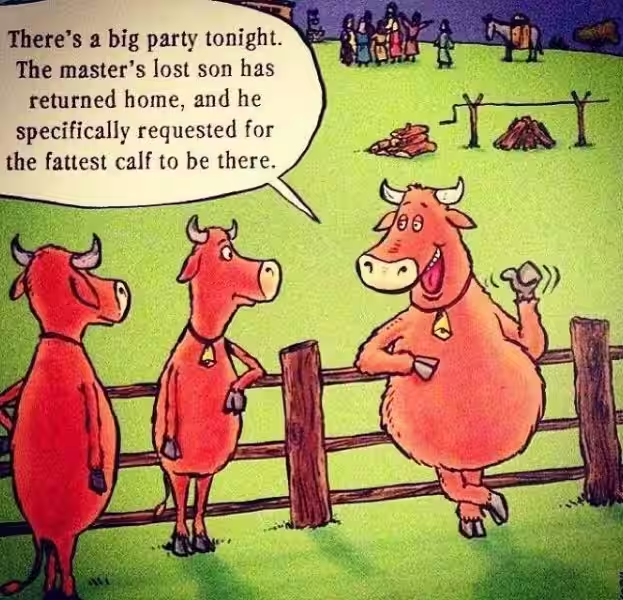
Are you looking for ways to share important messages in a memorable and engaging way? Funny parables might be the perfect solution! They combine the power of storytelling with the light touch of humor, making profound lessons easily digestible and surprisingly entertaining. This article will explore what makes a funny parable effective, examine common themes, and offer ideas for creating your own.
- What Makes a Funny Parable Tickle Your Funny Bone?
- Common Themes Explored in Funny Parables
- Crafting Your Own Funny Parables
-
Frequently Asked Questions: Funny Parables
- What makes a parable funny?
- What are some common themes explored in funny parables?
- How do funny parables differ from other types of humorous stories?
- Can a parable be both funny and insightful?
- Where can I find examples of funny parables?
- What makes a funny parable effective?
- How can I write my own funny parable?
What Makes a Funny Parable Tickle Your Funny Bone?
A funny parable, like its more serious counterpart, relies on a simple narrative with a deeper meaning. However, the crucial difference lies in its use of humor. This isn't just about slapstick or crude jokes; it's about employing wit, irony, and unexpected twists to enhance the message's impact.
The humor often stems from the incongruity between the surface narrative and the underlying moral. Imagine a parable about a fox trying to outsmart a henhouse, only to get repeatedly foiled by the hen's surprisingly cunning strategies. The absurdity of a sly fox being outsmarted by a bird is funny, but it also subtly highlights the unexpected places wisdom can be found. This clever juxtaposition makes the message more memorable and engaging than a straightforward lecture on humility.
Furthermore, successful funny parables use relatable characters and situations. We laugh because we recognize ourselves, or aspects of our behavior, within the story's characters. This relatability makes the moral lesson feel less like a judgment and more like a shared experience, encouraging self-reflection without feeling preachy.
Common Themes Explored in Funny Parables
Funny parables often tackle universal themes, albeit with a comedic twist. The humor doesn't diminish the seriousness of the underlying message; instead, it makes the message more approachable and memorable.
Human Nature and its Foibles
Many funny parables focus on the quirks and flaws inherent in human nature. Think of a parable about a group of squirrels hoarding acorns, only to discover that they forgot where they hid most of them. The humor comes from the relatable experience of poor planning and overzealousness, but the underlying message points to the dangers of greed and impulsivity.
These parables can also explore topics like pride, envy, and laziness, using humor to highlight the negative consequences of these traits. The humor helps to soften the criticism, making the parable more palatable and less judgmental. By highlighting these flaws in a funny way, funny parables can elicit self-reflection without being overly didactic.
Societal Structures and Conflicts
Funny parables can also examine complex societal structures and conflicts, using humor as a tool to expose hypocrisy or injustice. Imagine a parable about a town where everyone is obsessed with keeping up with the Joneses, only to find out that the Joneses are deeply in debt and miserable. The humor here arises from the irony of the situation, but the underlying message critiques consumerism and the pursuit of superficial status.
The use of satire and parody allows funny parables to address sensitive issues in a way that is both entertaining and thought-provoking. Humor can make difficult conversations more accessible, allowing for a wider audience to engage with challenging social commentary.
Ethical Dilemmas and Moral Choices
Funny parables can present ethical dilemmas in a way that encourages critical thinking and self-reflection. The use of humor can make complex moral choices easier to understand and discuss. A parable might depict a character facing a difficult decision between personal gain and altruism, using humor to highlight the unintended consequences of selfish actions.
The humor in these parables often comes from the unexpected turns of events or the ironic consequences of the characters' choices. The use of exaggeration and caricature can also contribute to the humor, making the parable more engaging and memorable. The unexpected resolution, often humorous, can be particularly effective in driving home the underlying moral lesson.
Crafting Your Own Funny Parables
Creating your own funny parables can be a rewarding experience. The key is to combine a simple, relatable narrative with a clever twist and a clear moral lesson.
- Start with a relatable situation: Think about everyday experiences, common struggles, or humorous observations about human behavior.
- Develop engaging characters: Characters should be memorable and relatable, even if they are exaggerated or quirky.
- Introduce an element of surprise: A surprising twist or ironic turn of events can make your parable more memorable and enhance its humor.
- Keep it concise: Funny parables are most effective when they are short and to the point.
- Refine your message: Ensure the moral lesson is clear and effectively communicated through the story's events.
By following these guidelines, you can craft funny parables that entertain, enlighten, and leave a lasting impact on your audience. Remember, the goal is to use humor to make your message more accessible and memorable, not to overshadow it. The best funny parables achieve a delicate balance between laughter and wisdom.
Frequently Asked Questions: Funny Parables
What makes a parable funny?
Funny parables achieve humor through various techniques. Clever wordplay, ironic situations, unexpected twists, and the contrast between a seemingly simple surface narrative and a deeper, often satirical, meaning all contribute to their comedic effect. The humor often arises from the relatable absurdity of the situations or characters, allowing the audience to laugh while simultaneously engaging with the underlying moral or message.
What are some common themes explored in funny parables?
Funny parables, like their more serious counterparts, frequently explore universal themes, but with a comedic twist. These can include the foibles of human nature (like greed, laziness, or vanity), societal structures (highlighting hypocrisy or absurdity), and ethical dilemmas (presented in a lighthearted, yet thought-provoking way). The humor often arises from the exaggeration of these themes, making them more accessible and engaging.
How do funny parables differ from other types of humorous stories?
While other humorous stories might focus solely on entertainment, funny parables always have an underlying moral or lesson. The humor serves to make the message more palatable and memorable. The narrative is typically concise and focused, unlike longer, more complex comedic works. The core of the parable is always a succinct story with a hidden meaning, making the humor integral to the message's delivery, not just an added extra.
Can a parable be both funny and insightful?
Absolutely! The most effective funny parables are both entertaining and thought-provoking. The humor doesn't overshadow the message; instead, it acts as a vehicle to deliver the underlying wisdom or social commentary in a way that is more engaging and less preachy. The laughter serves to soften the impact of the message, allowing for deeper reflection without feeling lectured.
Where can I find examples of funny parables?
While there isn't a readily available collection specifically titled "Funny Parables," many secular stories and anecdotes fit the bill. Look for short stories with clearly defined characters and a simple plot, that end with a surprising or insightful lesson delivered with a humorous touch. Modern fables, satirical cartoons, and even some stand-up comedy routines might contain elements of parable structure and wit. You can also try creating your own!
What makes a funny parable effective?
An effective funny parable balances humor and message seamlessly. The narrative must be engaging and relatable, using characters and situations the audience can easily understand. The humor should be relevant to the message, enhancing its impact rather than distracting from it. A surprising twist or ironic resolution can heighten the comedic effect while also making the moral more memorable. The overall effect should be both entertaining and intellectually stimulating.
How can I write my own funny parable?
Start by identifying a theme or message you want to communicate. Think about a relatable situation or character that embodies this theme. Then, craft a short, engaging narrative with a humorous element. Consider using irony, satire, or unexpected twists to add comedic effect. Finally, ensure the ending delivers the moral of the story in a clear but clever way, leaving the audience with a smile and something to think about.