
Confusion in Christianity: Navigating the Labyrinth of Beliefs
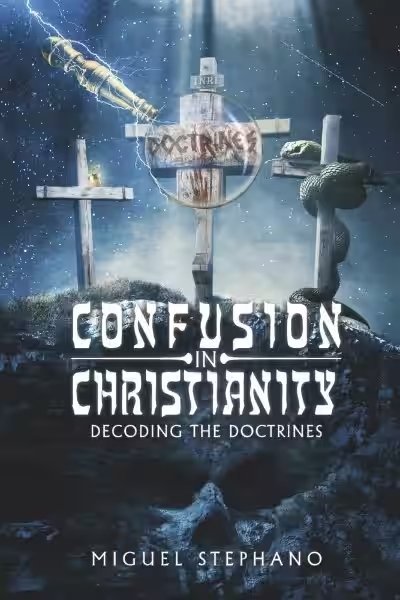
Many Christians find themselves grappling with confusion in their faith. This isn't necessarily a crisis of faith, but rather a struggle to reconcile personal beliefs with differing interpretations of scripture and the pressures of modern society. This article will explore some common sources of this confusion and offer pathways towards a clearer understanding of Christian teachings.
- The Root of the Problem: A Lack of Foundational Understanding
- The Pressure of Peer Acceptance: Choosing Culture Over Conviction
- Specific Areas of Confusion
- Finding Clarity Amidst the Confusion
-
Frequently Asked Questions: Addressing Confusion in Christianity
- What are the primary reasons for confusion among Christians regarding moral and theological issues?
- In what specific areas is this confusion most prevalent?
- Why do some Christians adopt viewpoints that seem to contradict biblical teachings?
- How can Christians overcome this confusion and strengthen their faith?
- What resources can help Christians gain a stronger understanding of their faith?
- How does the pressure to conform to societal norms affect a Christian's faith?
- Is it possible to reconcile differing viewpoints within Christianity on these moral and theological issues?
The Root of the Problem: A Lack of Foundational Understanding
One significant source of confusion stems from a lack of foundational biblical literacy. Many individuals identify as Christian based on cultural norms or family upbringing without a deep engagement with the core tenets of the faith. This superficial understanding leaves them vulnerable to misinterpretations and conflicting ideologies. They may know about Christianity, but lack a comprehensive understanding of Christianity.
This lack of grounding makes it difficult to discern between authentic biblical teaching and culturally influenced interpretations. Without a firm grasp of theological principles, it's easy to be swayed by popular opinion or prevailing cultural trends, leading to a diluted or distorted understanding of the faith. It's like trying to build a house without a solid foundation – the structure is unstable and prone to collapse under pressure.
The Pressure of Peer Acceptance: Choosing Culture Over Conviction
Another major contributor to confusion is the pressure to conform to societal norms, even when those norms contradict biblical teachings. This is particularly relevant for younger generations who are highly influenced by their peer groups and social media. The desire for acceptance can override the commitment to upholding Christian beliefs, leading to a compromise of faith for the sake of social approval.
This isn't about being judgmental or inflexible; it's about recognizing the inherent tension between following Christ and conforming to the world. The fear of being ostracized or labeled as "judgmental" can be powerful, prompting individuals to downplay or even reject aspects of their faith that feel inconvenient or unpopular within their social circles. This leads to a dissonance where public pronouncements differ significantly from deep-seated beliefs.
Specific Areas of Confusion
The confusion within Christianity manifests in various ways, often centering around specific moral and theological issues. Here are a few key examples:
The Exclusivity of Jesus: One Way or Many?
The question of whether Jesus is the only path to salvation is a source of considerable debate. Some argue for a pluralistic approach, suggesting that multiple religions offer valid paths to God. Others maintain the traditional Christian belief that salvation is solely through faith in Jesus Christ. This fundamental disagreement creates significant confusion for many believers who are unsure which view aligns with biblical truth.
The confusion arises from a lack of clarity on the nature of God and the atonement offered through Christ. Understanding the biblical narrative of God's relationship with humanity and the unique role of Jesus as the Son of God is crucial to resolving this dilemma. A thorough study of scripture, particularly the Gospels and the writings of Paul, can shed light on this critical doctrine.
Moral Issues: Abortion, Sexuality, and Gender Identity
Contemporary moral issues like abortion, sexuality, and gender identity present significant challenges to believers. Varying interpretations of biblical texts lead to differing views on these topics, causing conflict and confusion within the Christian community. The desire to be compassionate and accepting sometimes leads to a compromise of traditional Christian moral teachings.
The confusion here often stems from an attempt to reconcile compassion with biblical principles. Understanding the biblical basis for human dignity and the sanctity of life is crucial, as are careful considerations of the relevant passages in their historical and cultural contexts. Engaging with theological discussions surrounding these issues from a well-informed perspective is essential for navigating the complexities.
The Definition of Marriage: Redefining Tradition?
The changing views on marriage also contribute to the widespread confusion. While the traditional understanding of marriage as a union between one man and one woman is still held by many, others advocate for broader definitions to include same-sex couples. This divergence in beliefs creates division and confusion within the Christian community.
This issue often highlights the tension between adhering to traditional interpretations of scripture and accommodating evolving social norms. Understanding the biblical perspective on marriage in its historical context, while also acknowledging the complexities of modern relationships, is crucial for navigating this area of confusion.
Finding Clarity Amidst the Confusion
Overcoming the confusion within Christianity requires a proactive approach. This involves a commitment to:
- Deepening Biblical Literacy: Invest time in studying the Bible systematically, seeking to understand its historical context and theological themes. This is crucial for establishing a firm foundation for your beliefs.
- Engaging with Sound Theology: Seek out reliable resources that provide clear and well-reasoned explanations of Christian doctrine. This might involve reading theological books, attending Bible studies, or seeking guidance from trusted mentors.
- Discerning Truth from Cultural Trends: Develop the ability to critically evaluate information and discern between authentic biblical teaching and culturally influenced interpretations. Learn to identify logical fallacies and biases in arguments.
- Prioritizing Faith over Peer Acceptance: Cultivate the courage to stand firm in your convictions, even when facing social pressure. Remember that true faith is about obedience to God, not conformity to the world.
Navigating the complexities of faith requires humility, a commitment to learning, and a willingness to engage with difficult questions. By building a solid foundation in biblical truth and developing critical thinking skills, Christians can find clarity amidst the confusion and live out their faith with confidence and conviction.
Frequently Asked Questions: Addressing Confusion in Christianity
Here are some frequently asked questions addressing common sources of confusion within the Christian faith, based on the provided information:
What are the primary reasons for confusion among Christians regarding moral and theological issues?
Confusion often stems from a combination of factors. Firstly, a lack of foundational biblical understanding leaves many Christians with a superficial grasp of core theological principles. This makes them vulnerable to accepting interpretations that contradict scripture. Secondly, a prioritization of peer acceptance over adherence to biblical teachings creates a significant spiritual vulnerability. The fear of social ostracism can lead to compromising core beliefs.
In what specific areas is this confusion most prevalent?
Several key areas show significant confusion: the exclusivity of Jesus as the only way to salvation (vs. religious pluralism), the morality of abortion, viewpoints on gender identity and fluidity, the definition of marriage (including same-sex marriage), and sexual ethics (premarital, extramarital sex). These are areas where some Christians hold views that differ significantly from traditional interpretations of scripture.
Why do some Christians adopt viewpoints that seem to contradict biblical teachings?
The adoption of these differing viewpoints isn't necessarily rooted in genuine theological debate. Instead, it's often a consequence of being influenced by worldly philosophies and pressures that prioritize cultural acceptance over biblical truth. This can be a subtle form of being "taken captive by philosophies and empty deceit" (Colossians 2:8), leading to a compromise of core beliefs.
How can Christians overcome this confusion and strengthen their faith?
Overcoming this confusion requires a two-pronged approach:
-
Deepen Biblical Literacy: Engage in serious study of scripture and Christian worldview. Develop a strong understanding of core theological principles rather than relying on superficial knowledge. This involves moving beyond simple notions of "loving people" to a firm grasp of biblical teachings on these complex issues.
-
Prioritize Biblical Truth over Peer Acceptance: Cultivate the courage to stand firm in your faith, even when facing potential social disapproval. Remember that true belonging is found in a relationship with God, and aligning oneself with biblical principles takes precedence over fitting in with those who reject them.
What resources can help Christians gain a stronger understanding of their faith?
Engaging with resources that focus on foundational Christian worldview studies is crucial. These resources can help individuals build a solid biblical framework upon which to interpret complex issues and resist the influence of worldly philosophies. Study of scripture and engagement with sound theological teaching are invaluable tools for clarifying confusion and strengthening one's understanding.
How does the pressure to conform to societal norms affect a Christian's faith?
The pressure to conform to societal norms can significantly weaken a Christian's faith, especially among younger generations. This pressure can lead individuals to compromise their beliefs to avoid social ostracism or negative consequences. It’s crucial for Christians to recognize this pressure and actively resist it by grounding themselves firmly in scripture and relying on the support of a strong faith community.
Is it possible to reconcile differing viewpoints within Christianity on these moral and theological issues?
Reconciling significantly differing viewpoints on these matters requires a return to the foundational principles of scripture. It is not about finding common ground that compromises biblical truth but about engaging in thoughtful and respectful dialogue based on a shared commitment to understanding and applying scripture accurately. Different interpretations can exist, but they should be rooted in a commitment to biblical fidelity, not societal trends.