
Understanding the "Arm of Flesh": Where True Strength Resides
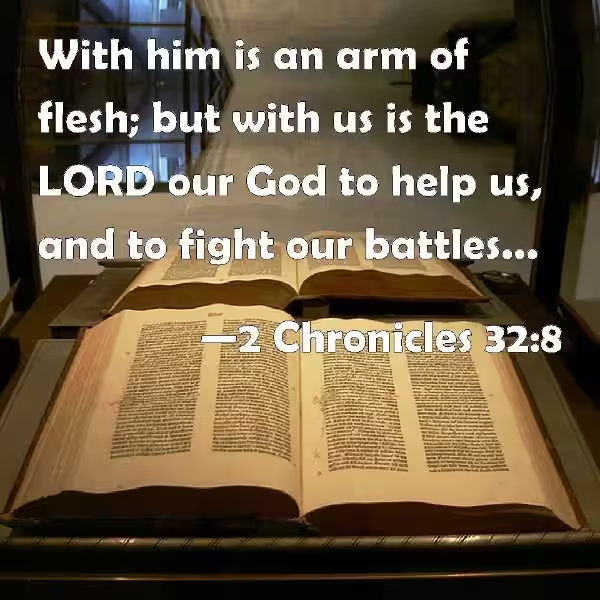
The phrase "arm of flesh" might seem archaic, but its meaning resonates powerfully even today. It speaks to a fundamental human struggle: the temptation to rely on our own abilities, resources, and power instead of trusting in a higher power. This article will explore the biblical meaning of "arm of flesh," its implications for our lives, and how we can learn from biblical figures like King Hezekiah to cultivate true, lasting strength.
- The Biblical Context of "Arm of Flesh"
- The Limitations of the "Arm of Flesh"
- Lessons from Hezekiah's Example
-
Frequently Asked Questions: "The Arm of Flesh"
- What does "the arm of flesh" mean in the context of 2 Chronicles 32:8?
- Why is relying on "the arm of flesh" considered dangerous according to the Bible?
- How does Hezekiah's statement in 2 Chronicles 32:8 illustrate the concept of "the arm of flesh"?
- What is the broader theological implication of this concept?
- How does the concept of "the arm of flesh" relate to other biblical passages?
- What practical applications can we derive from understanding "the arm of flesh"?
- Does believing in God mean we shouldn't prepare or take action?
The Biblical Context of "Arm of Flesh"
The expression "arm of flesh" appears prominently in 2 Chronicles 32:8, where King Hezekiah addresses his people facing the overwhelming might of the Assyrian army. Hezekiah's powerful declaration, "With him is an arm of flesh; but with us is the Lord our God, to help us, and to fight our battles," sets the stage for a profound theological lesson.
Hezekiah wasn't dismissing the Assyrian army's considerable military strength; he was acknowledging a crucial difference. The Assyrians relied on their vast army, their weaponry, and their human prowess – the "arm of flesh." Judah, however, placed their trust in the Lord, believing God's power far exceeded any earthly army. This wasn't merely blind faith; it was a strategic recognition that true, enduring strength comes from a source far greater than human capability.
This understanding was crucial for bolstering the morale of a terrified populace. Faced with a seemingly insurmountable threat, Hezekiah refocused his people's attention from their fear to their faith, offering hope and courage in the face of overwhelming odds. His words resonated deeply, providing the strength necessary to face the impending conflict.
The Limitations of the "Arm of Flesh"
The concept of "arm of flesh" extends beyond military contexts. It represents any reliance on human resources or abilities as the primary source of strength, security, or success. This can manifest in various ways:
- Material Wealth: Trusting in riches to provide security is a classic example of relying on the "arm of flesh." Wealth can be lost, stolen, or devalued, leaving those who place their faith in it vulnerable.
- Political Power: Similarly, placing faith in political leaders or systems is unreliable. Governments rise and fall, and their ability to protect or provide is limited.
- Personal Abilities: Overconfidence in our own skills or talents can lead to a dangerous sense of self-reliance, ignoring the need for divine guidance.
- Technological Advancements: While technology is a powerful tool, it's not an ultimate source of security. Technological failures, unforeseen consequences, or malicious use can undermine even the most advanced systems.
These examples highlight the inherent limitations of the "arm of flesh." It is temporary, fragile, and ultimately insufficient to provide lasting security or fulfillment.
Contrast with Divine Strength
Unlike the "arm of flesh," God's power is infinite, unwavering, and everlasting. He is the ultimate source of strength, protection, and guidance. Relying on God doesn't negate the need for human effort or planning; instead, it provides a foundation of unshakeable faith and trust, empowering us to face challenges with courage and resilience. This trust allows us to approach difficulties not with fear, but with a recognition of God’s presence and power in our lives.
Lessons from Hezekiah's Example
Hezekiah's leadership in the face of the Assyrian army provides a powerful example of how to cultivate true strength. His words weren't a promise of effortless victory, but a powerful declaration of faith and trust in God's unwavering support. This inspired courage and resilience in his people, demonstrating the profound impact of faith in times of crisis.
Hezekiah's example teaches us:
- The Importance of Faith: True strength comes from unwavering faith in God's power and protection.
- The Power of Prayer: Hezekiah's reliance on God involved fervent prayer and seeking divine guidance.
- The Role of Leadership: Leaders who foster faith and trust in their communities can inspire courage and resilience.
- Humility and Dependence: Recognizing our limitations and relying on God's strength is essential for true growth.
By understanding and applying these lessons, we can move beyond the limitations of the "arm of flesh" and cultivate the enduring strength that comes from a relationship with God.
Frequently Asked Questions: "The Arm of Flesh"
What does "the arm of flesh" mean in the context of 2 Chronicles 32:8?
"The arm of flesh" refers to reliance on human strength, military might, material possessions, or any worldly power for security and success. It highlights the limitations of human capabilities when facing overwhelming challenges. King Hezekiah contrasts this with the power and help of the Lord God.
Why is relying on "the arm of flesh" considered dangerous according to the Bible?
Relying on "the arm of flesh" is dangerous because it is ultimately a misplaced trust. Human strength, resources, and worldly alliances are temporary and unreliable. They cannot guarantee safety, victory, or lasting security. The Bible emphasizes that true strength and protection come from God alone.
How does Hezekiah's statement in 2 Chronicles 32:8 illustrate the concept of "the arm of flesh"?
Hezekiah, facing the powerful Assyrian army, directly contrasts his enemies' reliance on their military might ("the arm of flesh") with Judah's faith in God's help and protection. His words were a strategic maneuver to bolster the morale of his people, reminding them that their true strength lay not in their own abilities but in divine intervention.
What is the broader theological implication of this concept?
The concept of "the arm of flesh" underscores the vital theological principle that true strength and security reside not in material resources or human power, but in unwavering faith and reliance on God. It serves as a warning against self-reliance and a call to place complete trust in God's power and goodness.
How does the concept of "the arm of flesh" relate to other biblical passages?
Passages like Jeremiah 17:5, which condemns trusting in human capabilities, and 2 Chronicles 15:2 and 20:17, which highlight God's conditional support based on faithfulness, reinforce the central idea that God's help is not automatic but a response to sincere devotion and a rejection of self-reliance. These passages collectively emphasize the danger of relying on human strength and the importance of placing faith in God.
What practical applications can we derive from understanding "the arm of flesh"?
Understanding "the arm of flesh" encourages us to:
- Prioritize faith over self-reliance: Recognize our limitations and depend on God's guidance.
- Avoid misplaced confidence: Refrain from relying on worldly possessions or human power for ultimate security.
- Seek God's help in times of trouble: Turn to Him for strength, guidance, and protection.
- Develop a deeper relationship with God: Cultivate a strong faith that sustains us in times of adversity.
- Remember that true strength comes from God: This understanding should guide our decisions and actions.
Does believing in God mean we shouldn't prepare or take action?
No. While faith in God is paramount, it doesn't negate the need for responsible planning and action. Hezekiah's reliance on God didn't prevent him from taking strategic military actions. Faith and action complement each other; we should trust in God's providence while also responsibly using our talents and resources.