
Keep It Shut: Mastering the Power of Your Words
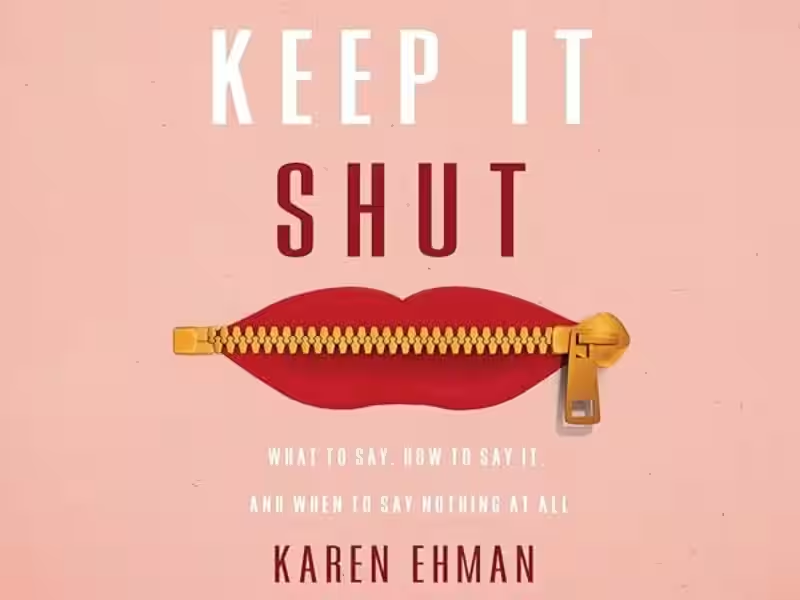
Many of us have experienced the regret of saying something we wish we could take back. Whether it's a careless comment to a friend, a harsh word to a family member, or a thoughtless post on social media, the impact of our words can linger long after they've been spoken. Karen Ehman's insightful book, Keep It Shut: What to Say, How to Say It, and When to Say Nothing at All, provides a practical and biblically-grounded approach to help us navigate the complex world of communication. This article explores the key takeaways from Ehman's work, offering guidance on how to harness the power of your words for good.
- The Untamed Tongue: Understanding the Power of Words
- Practical Strategies for Mindful Communication
- Biblical Wisdom for Modern Communication
- Addressing Difficult Topics with Honesty and Grace
- Conclusion: Embracing the Power of Silence and Thoughtful Words
-
Frequently Asked Questions about "Keep It Shut"
- What is the main message of Karen Ehman's "Keep It Shut"?
- Who is the target audience for this book?
- What specific communication problems does the book address?
- How does the book approach the topic of communication?
- What practical tools and techniques does the book provide?
- How does the book incorporate biblical principles?
- Is "Keep It Shut" just a self-help book?
- What makes this book different from other communication guides?
The Untamed Tongue: Understanding the Power of Words
Ehman masterfully illustrates the potent – and often destructive – power of words. She doesn't shy away from the reality that our words, like wildfire sparks, can escalate into devastating consequences. A thoughtless comment can ignite conflict, while a carefully chosen word can mend a broken relationship. This is why understanding the impact of our words is crucial.
The book emphasizes that our words are not merely sounds; they are reflections of our hearts and minds. Before they are spoken, they originate from within, shaped by our thoughts, feelings, and beliefs. Therefore, controlling our speech requires a deep introspection, a careful examination of our inner landscape. This isn't just about choosing the right words; it's about cultivating a heart that produces life-giving communication.
Practical Strategies for Mindful Communication
Ehman provides a wealth of practical strategies to help us cultivate more thoughtful communication. She offers a framework for responsible online and offline interactions, emphasizing the importance of pausing before speaking or posting. This "pause before pouncing" approach allows us to reflect on our words, ensuring they align with our intentions and values.
One of the key takeaways is the importance of differentiating between healthy confiding with a trusted friend and harmful gossip. Gossip, she argues, is like a wildfire, spreading negativity and damaging relationships. Confiding, on the other hand, can be a healthy way to process emotions and seek support. Learning to discern the difference is crucial for maintaining healthy relationships. Keep it shut when gossip is involved.
Biblical Wisdom for Modern Communication
The book skillfully weaves together biblical wisdom and modern-day challenges. Ehman draws heavily from Proverbs, using timeless verses as a guide for navigating the complexities of communication. She demonstrates how these ancient principles remain strikingly relevant in our digital age, offering timeless wisdom for managing social media, online interactions, and everyday conversations.
She highlights the importance of grace-filled speech, emphasizing the need for kindness, gentleness, and truth. This is not about suppressing our emotions, but about channeling them in a constructive way. The book encourages us to be self-aware, mindful of our words and their potential impact.
Concrete Steps for Implementation
Ehman doesn't just offer theoretical advice; she provides concrete steps for implementing these principles in our daily lives. She suggests creating visual reminders, like photocopying key verses and displaying them in prominent places. This constant visual reminder serves as a powerful tool for staying focused on our communication goals.
She also provides a list of powerful phrases designed to foster healthy relationships and constructive dialogues. These phrases are not merely empty platitudes; they are carefully crafted tools for navigating difficult conversations and resolving conflicts.
Addressing Difficult Topics with Honesty and Grace
The book courageously addresses difficult topics such as white lies and the challenges of online communication. Ehman explores the insidious nature of white lies, highlighting how they can erode trust and damage relationships. She offers alternative strategies for communicating truthfully without causing unnecessary pain.
Similarly, she provides guidance for responsible social media use, emphasizing the importance of thoughtful posting and online interactions. She presents strategies for navigating difficult online conversations and avoiding impulsive, hurtful comments.
Overcoming the Challenges of Digital Communication
The digital age presents unique challenges to mindful communication. The immediacy of online interactions can tempt us to react impulsively, often leading to regret. Ehman's book equips us with the tools to navigate these challenges, offering a practical framework for responsible digital interaction.
She emphasizes the importance of emotional regulation, encouraging readers to manage their emotions before responding to online provocation. This is particularly crucial in the face of criticism or negativity, where impulsive responses can escalate conflict and damage reputations.
Conclusion: Embracing the Power of Silence and Thoughtful Words
Keep It Shut is not just a self-help book; it's a spiritual guide to communication. It blends insightful biblical principles with relatable anecdotes and practical strategies. Its core message is simple yet profound: our words hold immense power, capable of both creation and destruction. By cultivating a mindful approach to communication, we can harness this power for good, fostering healthier relationships and living a more meaningful life. It encourages readers to not only consider what they say, but equally important, when to keep it shut. The book empowers us to be intentional with our words, choosing to speak life, hope, and truth into the world around us.
Frequently Asked Questions about "Keep It Shut"
What is the main message of Karen Ehman's "Keep It Shut"?
The core message of "Keep It Shut" is the profound impact of our words and the importance of mindful communication. The book emphasizes the need for intentional speech, grounded in prayer and reflection, to harness the power of words for good and avoid the potential for harm. It advocates for thoughtful consideration before speaking, particularly in today's digital age.
Who is the target audience for this book?
While the book's anecdotes and examples often resonate particularly with women, the principles within "Keep It Shut" are applicable to anyone seeking to improve their communication skills and foster healthier relationships. The book offers practical advice and spiritual guidance for anyone struggling with controlling their speech and navigating difficult conversations.
What specific communication problems does the book address?
"Keep It Shut" tackles a range of communication challenges, including gossip, flattery, anger, and the often-overlooked issue of "white lies." It also explores the complexities of digital communication and offers strategies for navigating online interactions responsibly. The book provides tools to address conflict constructively and improve relational health.
How does the book approach the topic of communication?
Ehman employs a unique blend of humor, personal anecdotes, and biblical principles. She uses relatable stories and practical examples to illustrate the concepts, making the discussion engaging and accessible. The book doesn't shy away from difficult topics, offering honest and practical solutions rather than theoretical pronouncements.
What practical tools and techniques does the book provide?
"Keep It Shut" offers several practical tools, including a framework for evaluating digital interactions, "powerful phrases" for constructive dialogue, and a list of key scripture verses on mindful speech. It encourages readers to create visual reminders of key verses and quotes, emphasizing the importance of incorporating spiritual reflection into their communication practices. The book also provides questions to help discern honest communication from harmful gossip.
How does the book incorporate biblical principles?
The book is heavily grounded in biblical wisdom, drawing extensively from Proverbs and other scriptures to guide readers in developing healthy communication habits. Biblical verses are presented as timeless and relevant guidance for navigating modern communication pitfalls, demonstrating how ancient wisdom remains strikingly applicable to contemporary challenges.
Is "Keep It Shut" just a self-help book?
While offering practical self-help advice, "Keep It Shut" is more accurately described as a spiritual guide to communication. It combines insightful biblical principles with relatable anecdotes and practical strategies, ultimately aiming to help readers live more spiritually fulfilling lives by harnessing the power of their words for good. It emphasizes the connection between our inner thoughts, motivations, and the words we speak.
What makes this book different from other communication guides?
The unique blend of humor, honesty, practical advice, and a strong biblical foundation sets "Keep It Shut" apart. Its focus on the spiritual aspect of communication, along with its relatable anecdotes and specific, actionable steps, provides a holistic approach not often found in other self-help books on communication. The emphasis on the potential harm and lasting impact of words is also a distinguishing feature.