
Understanding Makrothumia: More Than Just Patience
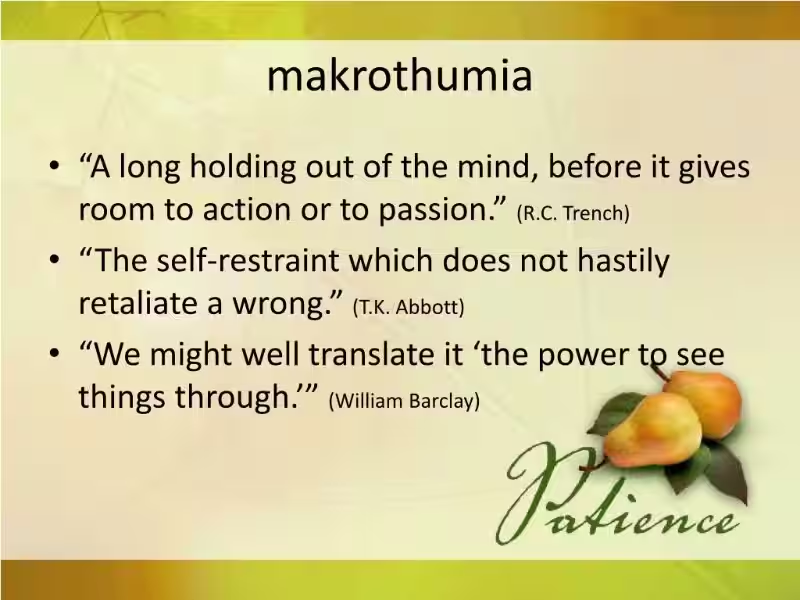
Makrothumia, a word with deep roots in the ancient Greek language, offers a richer understanding of patience than its English equivalent often allows. It's not simply about tolerating inconvenience; it delves into the realm of actively controlled forbearance, even in the face of provocation and hardship. This article will explore the multifaceted meaning of makrothumia, its theological significance, and its practical application in our lives.
- The Etymology and Nuances of Makrothumia
- Makrothumia in the Biblical Context
- Distinguishing Makrothumia from Related Concepts
- Cultivating Makrothumia in Daily Life
- Makrothumia: A Legacy of Enduring Strength
-
Makrothumia: Frequently Asked Questions
- What is Makrothumia?
- How does Makrothumia differ from other forms of patience?
- Is Makrothumia simply passive tolerance?
- Where is Makrothumia found in the Bible?
- What are some examples of Makrothumia in action?
- How does Makrothumia relate to God's character?
- Why was Makrothumia important in the early Christian context?
- How can I cultivate Makrothumia in my own life?
- What are some key resources that discuss Makrothumia?
- Is Makrothumia a uniquely Christian concept?
The Etymology and Nuances of Makrothumia
The word makrothumia (μακροθυμία) is formed from two Greek words: makros (μακρός), meaning "long," and thumos (θυμός), signifying "temper," "spirit," or "passion." Literally translated, it signifies "long-temperedness"—a sustained and controlled emotional response, the antithesis of short-temperedness.
This isn't passive resignation; it's an active, conscious choice to restrain immediate reaction. It's about persevering through difficulties, even injustice, without resorting to immediate retaliation or punishment. Unlike simple tolerance, which can be passive, makrothumia requires effort, self-mastery, and often, a reliance on a higher power for strength. It implies a deliberate decision to delay or forgo responses that might otherwise be deemed appropriate given the circumstances. It’s the choice to respond with thoughtful consideration rather than impulsive reaction.
Makrothumia in the Biblical Context
The New Testament frequently highlights makrothumia as a vital Christian virtue, portraying it as a divine characteristic emulated by believers. It's presented as a fruit of the spirit (Galatians 5:22), a quality to be cultivated (Ephesians 4:2, Colossians 3:12), and an essential component of love (1 Corinthians 13:4). Paul, in his epistles, both models and advocates for makrothumia (2 Timothy 3:10; 2 Corinthians 6:6; 1 Thessalonians 5:14).
Examples of makrothumia in action abound in scripture. The steadfast faith of Abraham, waiting patiently for the fulfillment of God's promises (Hebrews 6:15), is a powerful illustration. The farmer patiently awaiting the harvest (James 5:7-10) similarly exemplifies this enduring perseverance. These scriptural examples emphasize that makrothumia isn’t merely about enduring hardship but about maintaining faith and hope throughout the waiting period. It's a virtue that sustains us during prolonged trials and uncertainties.
Makrothumia as a Divine Attribute
Importantly, makrothumia isn't restricted to human behavior. It's also a defining attribute of God. God's makrothumia is evident in His patience with humanity, His persistent call to repentance (Romans 2:4), and His forbearance in the face of widespread sin (Romans 9:22). The delay of divine judgment, as seen throughout scripture, from the flood narrative (1 Peter 3:20) to the continued existence of evil (2 Peter 3:9), powerfully showcases God's profound makrothumia.
This divine attribute is not a sign of weakness but rather a reflection of God's immense love and mercy. It underscores the profound grace offered to humanity, a grace that calls for a reciprocal response of patience and understanding in our interactions with others. We are called to emulate this divine patience, reflecting God's love and forbearance in our own lives.
While often translated as "patience" or "longsuffering," makrothumia possesses unique nuances that distinguish it from similar terms. It differs from hupomenē (ὑπομονή), another Greek word often translated as "patience" but which primarily focuses on perseverance under suffering. Makrothumia, however, emphasizes the controlled restraint of one's temper in response to others' actions. It's the conscious decision to refrain from immediate anger or retribution. This distinction highlights the proactive and self-controlled nature of makrothumia.
Furthermore, makrothumia is not mere passivity. It's not about passively accepting mistreatment. Rather, it's a deliberate choice to refrain from reacting impulsively, allowing for considered responses that prioritize reconciliation and understanding over immediate gratification or revenge.
Cultivating Makrothumia in Daily Life
Developing makrothumia is a lifelong journey requiring conscious effort and self-reflection. It involves:
- Self-awareness: Identifying triggers that evoke anger or frustration.
- Mindfulness: Practicing present moment awareness to curb impulsive reactions.
- Prayer and meditation: Seeking divine guidance and strength to cultivate patience.
- Forgiveness: Letting go of resentment and anger, choosing to extend grace to others.
- Empathy: Seeking to understand others' perspectives, even when they differ from our own.
The cultivation of makrothumia is not a sign of weakness but a testament to strength of character, a reflection of a Christ-like nature and a pathway to more peaceful and fulfilling relationships. It requires discipline, but the rewards—in personal peace and improved relationships—are immeasurable. Understanding and cultivating makrothumia can enrich our lives and our interactions with the world around us.
Makrothumia: A Legacy of Enduring Strength
In conclusion, makrothumia is far more than a simple synonym for patience. It represents a powerful virtue, both divine and human, characterized by self-controlled forbearance, steadfastness, and a commitment to enduring hardship without immediate retaliation. By understanding its rich etymology and biblical context, alongside its practical application, we can better appreciate its profound significance and strive to embody this essential characteristic in our own lives, mirroring the patience and love of God. The pursuit of makrothumia is a journey towards a more peaceful, compassionate, and fulfilling existence.
Makrothumia: Frequently Asked Questions
What is Makrothumia?
Makrothumia, derived from the Greek words makros (long) and thumos (temper or passion), translates most accurately as "patience." However, it surpasses the common understanding of patience. It signifies a patient endurance, especially under provocation or hardship, emphasizing self-control and a deliberate refusal to retaliate or punish immediately. It's an active, controlled forbearance, not merely passive tolerance.
How does Makrothumia differ from other forms of patience?
While similar to other concepts of patience (like hupomene), makrothumia distinguishes itself by its focus on suppressing indignant reactions to provocation. Hupomene emphasizes enduring trials, whereas makrothumia emphasizes enduring provocation with controlled forbearance. It's the deliberate choice to delay or restrain anger, potentially indefinitely.
Is Makrothumia simply passive tolerance?
No. Makrothumia is not passive. It's an active, deliberate choice to restrain anger and avoid immediate retaliation, even in the face of injustice or offense. It requires self-control and often, a reliance on God's strength.
Where is Makrothumia found in the Bible?
The concept of makrothumia is prevalent throughout the New Testament, attributed to both God and believers. Examples include God's patience with humanity (Romans 2:4; 1 Timothy 1:16), and the call for believers to cultivate this virtue (Galatians 5:22; Ephesians 4:2; Colossians 3:12; 1 Thessalonians 5:14). Biblical figures like Abraham also exemplify makrothumia (Hebrews 6:15).
What are some examples of Makrothumia in action?
Examples include: a parent patiently guiding a misbehaving child without resorting to immediate punishment; a wronged individual choosing forgiveness rather than revenge; a believer enduring persecution without retaliating; and God's continued patience with a sinful world despite its deserving judgment.
How does Makrothumia relate to God's character?
Makrothumia is a prominent attribute of God. His longsuffering and slowness to anger (as seen in His extended patience with humanity) are often described using terms related to makrothumia. This divine attribute serves as a model for believers to emulate.
Why was Makrothumia important in the early Christian context?
In the Greco-Roman world, immediate action and strength were prized. Makrothumia, however, was crucial for early Christians facing persecution. It allowed them to maintain their faith and witness without resorting to violence or revenge, demonstrating their faith through enduring suffering.
How can I cultivate Makrothumia in my own life?
Cultivating makrothumia requires conscious effort and reliance on God's grace. This involves practicing self-control, actively choosing forgiveness, seeking God's wisdom in responding to provocation, and remembering God's own example of makrothumia. Prayer and meditation on Scripture can also be helpful.
What are some key resources that discuss Makrothumia?
Several theological resources delve into the nuances of makrothumia. HELPS Word-studies emphasizes it as "divinely-regulated patience," while commentaries by scholars like F.F. Bruce connect it to "long-temperedness," a quality directly attributed to God. Lexicons such as Thayer's and the NAS Exhaustive Concordance offer further insight into its various translations and usage.
Is Makrothumia a uniquely Christian concept?
While the term and its theological significance are particularly emphasized in Christianity, the underlying concept of patient endurance in the face of provocation is a virtue valued across various cultures and religions, demonstrating a universal human aspiration.