
Unveiling the Majesty: Exploring the World of Temple Stone
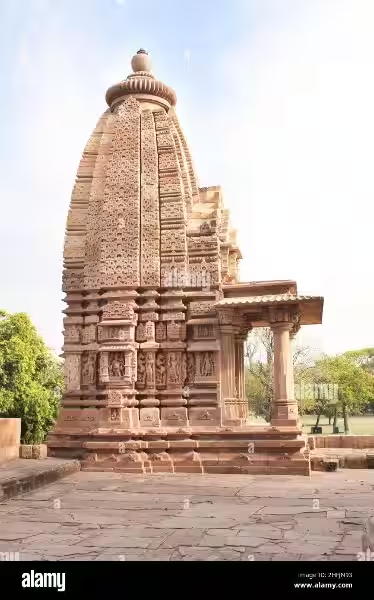
Are you dreaming of transforming your garden into a breathtaking oasis, a place of serenity and visual delight? The key might lie in understanding the versatile world of temple stone and the possibilities it unlocks for landscape design. This article explores the artistry and practicality of using cast stone components, specifically focusing on their application in creating stunning garden temples and other architectural features.
- Haddonstone: Crafting Elegant Garden Temples
- Beyond the Temple: Creative Applications of Temple Stone Components
- York Building Products: A Different Perspective on Temple Stone
-
Conclusion: Choosing the Right Temple Stone for Your Project
- What are Haddonstone temple stones used for?
- What materials are Haddonstone temple stones made from?
- Can I customize a Haddonstone temple?
- How are Haddonstone temples installed?
- What are the benefits of choosing a Haddonstone temple?
- Are there different roofing options available?
- Can I use Haddonstone components for other garden features besides temples?
Haddonstone: Crafting Elegant Garden Temples
Haddonstone is a renowned company specializing in the creation of exquisite cast stone structures. Their core offering revolves around customizable classical temples and gazebos, designed to enhance outdoor spaces and provide captivating focal points. These aren't mere decorations; they're architectural statements that elevate the entire garden aesthetic.
The beauty of Haddonstone's approach lies in its modularity. Their range of cast stone components—balustrades, columns, flooring, and steps—allows for an almost limitless degree of personalization. This means you're not limited to pre-designed structures. Instead, you can collaborate with Haddonstone to create a bespoke temple perfectly tailored to your garden's size, style, and existing features. Imagine a temple stone structure subtly guiding the viewer's eye towards a vibrant flower bed or a tranquil water feature; the possibilities are endless.
The company offers two primary roofing options to complete the look: lightweight fiberglass domes and decorative wrought iron domes. The fiberglass domes, with their lead-effect finish, offer ease of installation thanks to their sectional design. This simplifies the assembly process, reducing complexity and potential on-site challenges. The wrought iron domes, on the other hand, provide a more ornate and elaborate finish, perfectly complementing the balustraded temples and adding a touch of classic elegance. Their versatility extends beyond temples, making them suitable for a variety of landscape structures.
Beyond the Temple: Creative Applications of Temple Stone Components
Haddonstone’s commitment to design flexibility extends far beyond their standard temple designs. The company actively encourages creative use of their individual cast stone components. The balustrading, columns, flooring, and steps can be used to construct follies, adding yet another layer of sophisticated design flexibility. These follies, built using readily available components, offer a cost-effective way to introduce unique architectural interest to a garden. This showcases Haddonstone's dedication to catering to both standardized and highly customized landscaping solutions. Consider using temple stone elements to create a charming folly that frames a picturesque view or adds a touch of whimsical intrigue to a secluded corner of your garden.
York Building Products: A Different Perspective on Temple Stone
While Haddonstone focuses on ornate garden structures, other companies offer cast stone products for a broader range of applications. York Building Products, for instance, produces cast stone that meets stringent ASTM C90 specifications, ensuring high quality and durability. Their product line includes both veneer and load-bearing units, offering versatility for diverse projects.
Their offerings extend beyond residential applications; York Building Products' cast stone is suited for educational institutions, museums, lobbies, theme parks, and municipal facilities. This versatility underlines the broad applicability of architectural cast stone. The availability of custom colors and mix designs further enhances design flexibility, allowing architects and designers to create truly unique and bespoke structures. The fact that they are BIM-ready, with readily available Revit® files, simplifies the integration into professional design workflows. This provides architects with a seamless transition from digital design to physical construction.
The use of temple stone in these larger-scale projects highlights its strength, durability, and aesthetic appeal in diverse architectural contexts. Whether it’s a grand museum entrance or a detail on a historical building restoration, the versatility of cast stone ensures its continued relevance in modern construction. The implied benefits, from high quality and durability to design flexibility and ease of use, position York Building Products as a reliable provider for a wide range of architectural endeavors.
Conclusion: Choosing the Right Temple Stone for Your Project
Whether you’re planning an elegant garden retreat with Haddonstone’s customizable temples or a larger-scale architectural project using York Building Products’ versatile cast stone, understanding the properties and applications of temple stone is key. Both companies showcase the enduring appeal and adaptability of cast stone, highlighting its role as a material that both enhances aesthetics and provides structural integrity. Selecting the right provider will depend on the project's scale, style, and budget, but the potential for creating stunning and lasting structures is undeniable. The choice of material, from the meticulously crafted temple stone features of a classic gazebo to the strong and versatile elements used in larger builds, ultimately reflects your vision and creates a lasting architectural legacy.
What are Haddonstone temple stones used for?
Haddonstone's cast stone structures, primarily classical temples and gazebos, are designed to enhance garden aesthetics and provide scenic viewpoints. They are versatile and can serve multiple purposes within a landscape design, acting as focal points or directing the viewer's eye to other garden features. Beyond temples and gazebos, the individual components (balustrades, columns, flooring, steps) can be used to create unique follies and other bespoke garden features.
What materials are Haddonstone temple stones made from?
Haddonstone temple stones are made from cast stone. The roofing options include lightweight fiberglass domes (lead-effect finish) for easier installation and decorative wrought iron domes for a more ornate look.
Can I customize a Haddonstone temple?
Yes, Haddonstone offers a high degree of customization. Their modular design allows for bespoke structures tailored to different garden sizes and styles. You can choose from various components to create a unique design, including selecting balustrades, columns, flooring, and steps, and choosing between fiberglass or wrought iron roofing.
How are Haddonstone temples installed?
The installation process varies depending on the size and complexity of the structure. The lightweight fiberglass domes are designed for ease of installation, being supplied in sections for simpler assembly. Professional installation is recommended for larger or more complex structures.
What are the benefits of choosing a Haddonstone temple?
Haddonstone temples offer several benefits:
- Aesthetic Appeal: They add a classical and elegant touch to any garden.
- Versatility: They can be customized to fit various garden styles and sizes.
- Durability: Cast stone is a long-lasting material.
- Ease of Installation (for some components): The sectional fiberglass domes simplify the installation process.
- Cost-effectiveness (for follies): Using existing components for follies offers a budget-friendly way to add architectural interest.
Are there different roofing options available?
Yes, two primary roofing options are available: lightweight fiberglass domes (lead-effect finish) and decorative wrought iron domes. The fiberglass domes are easier to install due to their sectional design, while the wrought iron domes offer a more ornate aesthetic.
Can I use Haddonstone components for other garden features besides temples?
Absolutely! Haddonstone encourages creative use of its components. The cast stone balustrading, columns, flooring, and steps can be incorporated into the creation of follies and other unique garden features. This allows for a high degree of design flexibility and cost-effective solutions for adding architectural interest.