
Understanding and Addressing Self-Exaltation: A Guide to Healthy Self-Esteem
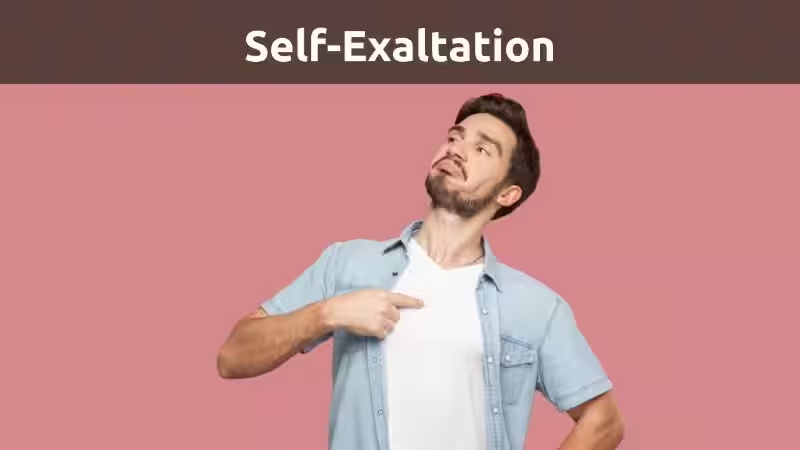
Self-exaltation, the excessive praise and glorification of oneself, is a complex behavior with far-reaching consequences. While a touch of self-confidence is essential, crossing the line into self-exaltation can damage relationships and hinder personal growth. This article explores the nuances of self-exaltation, helping you identify it in yourself and others and offering strategies for cultivating a healthier sense of self.
- Understanding the Roots of Self-Exaltation
- Manifestations of Self-Exaltation Across Contexts
- The Consequences of Self-Exaltation
- Addressing and Overcoming Self-Exaltation
-
Frequently Asked Questions about Self-Exaltation
- What is self-exaltation?
- What are the motivations behind self-exaltation?
- How does self-exaltation manifest?
- What are the consequences of self-exaltation?
- Can self-exaltation be a sign of a psychological condition?
- How can I tell the difference between healthy self-confidence and self-exaltation?
- Is self-exaltation always negative?
- How can I address self-exaltation in myself or others?
- What is the role of empathy in overcoming self-exaltation?
Understanding the Roots of Self-Exaltation
Self-exaltation isn't simply arrogance; it's a multifaceted behavior with deep-seated psychological roots. Often, it's a coping mechanism for underlying insecurities.
Individuals grappling with low self-esteem might use self-exaltation as a shield, exaggerating their successes and downplaying their failures to create a false sense of superiority. This is a paradoxical behavior—a desperate attempt to fill a void of self-worth. They may boast excessively, seek constant validation, or subtly manipulate conversations to center attention on themselves. This compensatory behavior is driven by a need to feel worthy and avoid confronting their insecurities.
This behavior is distinct from healthy self-confidence. Healthy self-esteem allows for both self-celebration and honest self-assessment. It involves acknowledging strengths while acknowledging weaknesses without resorting to self-aggrandizement. The key difference lies in the intention and effect. Healthy self-esteem fosters personal growth and positive relationships; self-exaltation creates distance and resentment.
Manifestations of Self-Exaltation Across Contexts
The ways in which self-exaltation manifests are varied and depend heavily on the context. Recognising these manifestations is crucial for addressing the issue effectively.
In the Workplace
In professional settings, self-exaltation can take the form of taking credit for team efforts, diminishing the contributions of colleagues, or demanding disproportionate recognition. This behavior undermines teamwork and creates a hostile work environment. It can manifest as an inability to accept constructive criticism or a constant need to be the center of attention during meetings and presentations.
In Personal Relationships
Within personal relationships, self-exaltation can lead to imbalances of power, fostering resentment and frustration among partners or friends. It might involve dominating conversations, dismissing others' opinions, or constantly comparing oneself favorably to others. This can ultimately isolate the individual, damaging their relationships and sense of belonging.
In Everyday Life
Even in casual interactions, self-exaltation can be subtly present. It might involve constantly interrupting to steer the conversation back to oneself, exaggerating personal anecdotes, or subtly downplaying the achievements of others. These seemingly small acts accumulate, creating a pattern of self-centered behavior.
The Consequences of Self-Exaltation
The repercussions of self-exaltation extend beyond individual relationships; they impact personal growth and overall well-being.
The constant need for external validation prevents genuine self-reflection and hinders personal growth. The individual remains trapped in a cycle of seeking approval, leaving them vulnerable to criticism and easily discouraged by setbacks. This dependence on external validation stifles personal development, as the focus shifts from internal growth to external approval.
Moreover, self-exaltation can severely damage relationships. The constant need to be superior creates distance and resentment among those around the individual. This ultimately leads to isolation and a lack of meaningful social support. This isolation can further intensify the underlying insecurities, creating a vicious cycle of self-exaltation and social withdrawal.
Furthermore, severe self-exaltation can indicate underlying psychological conditions, including narcissistic personality disorder. In these cases, professional help is essential to address the root causes and develop healthier coping mechanisms. Ignoring the problem can lead to worsening interpersonal relationships and mental health issues.
Addressing and Overcoming Self-Exaltation
Tackling self-exaltation requires self-awareness and a commitment to personal growth. The journey towards healthier self-esteem involves several key steps.
- Self-Reflection: Begin by honestly assessing your behavior. Identify instances where you engage in self-exaltation and reflect on the underlying motivations. Keeping a journal can be beneficial.
- Challenge Negative Thoughts: Actively challenge negative self-perceptions that fuel your need for self-exaltation. Replace self-critical thoughts with more balanced and realistic ones.
- Practice Empathy: Actively listen to others and strive to understand their perspectives. Focus on their experiences rather than constantly directing the conversation towards yourself.
- Seek Professional Help: If you suspect that your self-exaltation stems from deeper psychological issues, consider seeking professional help from a therapist or counselor.
- Celebrate Achievements Humbly: Acknowledge your accomplishments without diminishing the contributions of others. Express gratitude for the support you received along the way.
Overcoming self-exaltation is a journey, not a destination. By actively working on self-awareness, challenging negative thoughts, and practicing empathy, you can cultivate a healthier sense of self and build more meaningful relationships. The key is to strive for a balanced perspective—acknowledging your achievements while maintaining humility and respect for others. Remember that genuine self-worth isn't found in self-aggrandizement but in genuine connection and contribution. This process of self-improvement might reveal that the true self you reveal through humility is far more rewarding than any selfexaltation could ever achieve.
Frequently Asked Questions about Self-Exaltation
What is self-exaltation?
Self-exaltation is the act of excessively praising or glorifying oneself. It's a form of self-aggrandizement where an individual inflates their own importance, achievements, or qualities beyond what's objectively justified. This can range from subtle boasting to overt arrogance and narcissism.
What are the motivations behind self-exaltation?
Self-exaltation can stem from two seemingly opposite sources: Low self-esteem, where it acts as a defense mechanism to mask insecurity, and genuine feelings of accomplishment, where the line between healthy pride and excessive self-praise becomes blurred. In both cases, the individual seeks validation, either to compensate for perceived inadequacy or to reinforce a positive self-image.
How does self-exaltation manifest?
The ways self-exaltation manifests are varied. It can involve blatant boasting, constantly seeking attention and admiration, or subtly manipulating conversations to center on oneself. Professionally, it might mean taking undue credit or dismissing colleagues' contributions. In personal relationships, it can create power imbalances and resentment.
What are the consequences of self-exaltation?
Self-exaltation can hinder personal growth by preventing self-reflection and improvement. The dependence on external validation leaves the individual vulnerable. Socially, it damages relationships, leading to isolation. Professionally, it creates negative environments and hinders collaboration.
Can self-exaltation be a sign of a psychological condition?
Yes, self-exaltation can be a symptom of conditions like narcissistic personality disorder. In such cases, it's a deeply ingrained personality trait requiring professional help.
How can I tell the difference between healthy self-confidence and self-exaltation?
Healthy self-confidence involves objectively acknowledging both strengths and weaknesses, celebrating achievements without belittling others. Self-exaltation involves inflated claims and a disregard for others' feelings or contributions. The key difference lies in the intention and impact of the self-praise.
Is self-exaltation always negative?
While generally considered negative, there can be instances where a degree of self-promotion is necessary, particularly in professional contexts. The negative consequences arise when it becomes excessive, overshadowing other people's contributions, and causing harm to relationships.
How can I address self-exaltation in myself or others?
Addressing self-exaltation requires self-awareness and a willingness to change. For oneself, this involves practicing humility, seeking feedback, and focusing on personal growth rather than external validation. For others, it might involve setting boundaries and addressing the behavior directly, potentially seeking professional help if the behavior is severe or indicative of a larger issue.
What is the role of empathy in overcoming self-exaltation?
Empathy plays a crucial role. By understanding and considering the perspectives and feelings of others, individuals can shift from a self-centered focus to a more balanced and considerate approach. This helps to counteract the egocentric tendencies inherent in self-exaltation.