
Repent of Your Sins: Verse and Meaning
What does the Bible say about repentance and forgiveness of sins?
The phrase "repent of your sins" is not found verbatim in the Bible, but several passages convey its meaning:
Confession and Repentance
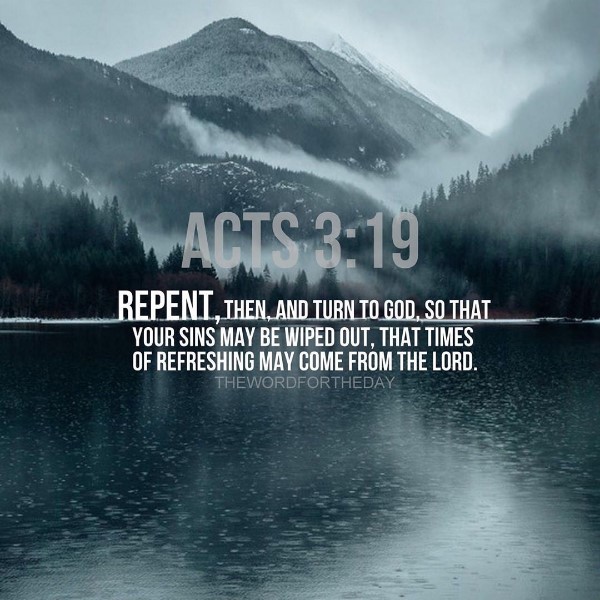
Repentance involves recognizing and acknowledging one's sins before God, admitting wrongdoing, and seeking forgiveness (Psalm 51:4; Proverbs 28:13; 1 John 1:9). It's not just about feeling sorry for one's actions but also acknowledging their sinful nature and turning away from them.
God's Mercy and Forgiveness
God is merciful and willing to forgive those who repent (Psalm 103:8; Isaiah 55:7; Acts 10:43). Forgiveness is a gift from God, not something that can be earned. However, it is not unconditional.
Conditions for Forgiveness
While God's forgiveness is freely offered, it is typically conditional upon repentance (Matthew 3:2; Luke 24:47; Acts 2:38). This includes turning away from sin and living in accordance with God's will. True repentance involves a change of heart and a commitment to follow God's ways.
The Role of Jesus Christ
Jesus Christ is the ultimate source of forgiveness for sins (John 3:16; Acts 4:12; Romans 3:24). Through his death and resurrection, he paid the penalty for our sins, making it possible for us to be forgiven.
Eternal Salvation
Forgiveness of sins opens the door to eternal life in heaven (John 3:16; Romans 5:1-2; 1 John 5:13). Those who reject God's forgiveness will face eternal condemnation (Matthew 25:46; John 5:29).
The Bible teaches that repentance is essential for forgiveness of sins. Through confession, repentance, and faith in Jesus Christ, individuals can experience the transformative power of forgiveness and the hope of eternal life. By turning away from sin and embracing God's mercy, we can receive the forgiveness we need and find peace and reconciliation with God.
- Confession and Repentance
- God's Mercy and Forgiveness
- Conditions for Forgiveness
- The Role of Jesus Christ
- Eternal Salvation
Frequently Asked Questions
What does it mean to repent of your sins?
Repenting of your sins involves recognizing and acknowledging your wrongdoings before God, feeling remorse for them, and seeking forgiveness.
What is the biblical basis for the idea of repentance and forgiveness?
The Bible teaches that God is merciful and willing to forgive those who repent (Psalm 103:8; Isaiah 55:7; Acts 10:43). Forgiveness is a gift from God, not something that can be earned.
What are the conditions for receiving forgiveness?
While God's forgiveness is freely offered, it is typically conditional upon repentance (Matthew 3:2; Luke 24:47; Acts 2:38). This includes turning away from sin and living in accordance with God's will.
What is the role of Jesus Christ in repentance and forgiveness?
Jesus Christ is the ultimate source of forgiveness for sins (John 3:16; Acts 4:12; Romans 3:24). Through his death and resurrection, he paid the penalty for our sins.
What are the consequences of repenting of your sins?
Repenting of your sins opens the door to eternal life in heaven (John 3:16; Romans 5:1-2; 1 John 5:13). Those who reject God's forgiveness will face eternal condemnation (Matthew 25:46; John 5:29).