
When Someone Rejected Me: Understanding and Moving On
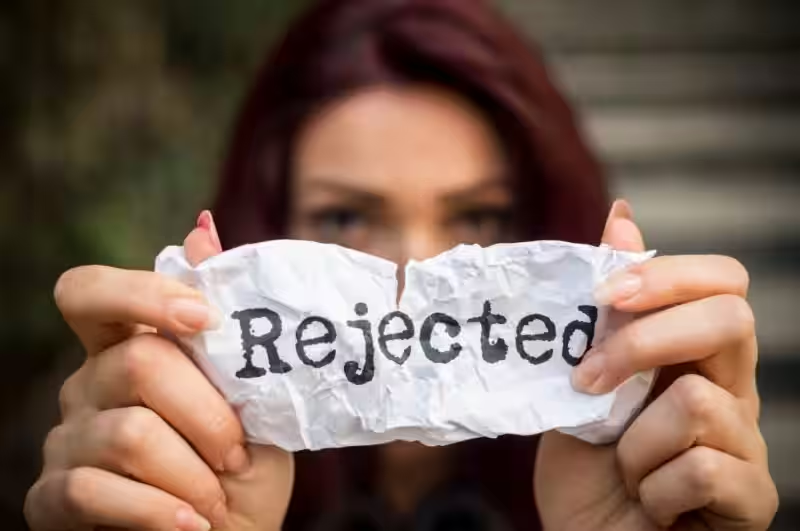
Rejection hurts. Whether it's a job application, a friendship, or, most painfully, a romantic interest, the sting of being rejected me is universal. This article focuses on navigating the emotional aftermath of romantic rejection, helping you understand the process and find a path towards healing and growth.
- Accepting the Rejection: Grieving the Loss
- Understanding (Without Obsessing)
- Respecting Their Decision and Your Boundaries
- Prioritizing Self-Care and Personal Growth
- Learning and Growing from the Experience
- Seeking Support: You Don't Have to Go Through This Alone
- Moving Forward: Embracing the Future
- Frequently Asked Questions: Dealing with Romantic Rejection
Accepting the Rejection: Grieving the Loss
The first step, and often the hardest, is acknowledging the pain. Don't try to suppress your emotions; allow yourself to feel the sadness, anger, or confusion. Crying is okay; feeling hurt is okay. These are normal responses to loss, even the loss of a potential relationship.
Suppressing these feelings will only prolong the healing process. Instead, find healthy ways to process them. This might involve journaling your thoughts and feelings, talking to a trusted friend or family member, or seeking professional help from a therapist or counselor. Remember, it's brave to acknowledge your vulnerability and seek support when needed.
Understanding (Without Obsessing)
It's natural to want to understand why you were rejected. Did you do something wrong? Were you incompatible? While reflecting on these questions can be helpful for future relationships, avoid overanalyzing to the point of self-blame.
The other person's decision is ultimately their own, based on their personal preferences, experiences, and needs. Focusing on changing their mind or reinterpreting their reasons will only prolong your suffering. Accept their decision with dignity, and remember that it doesn't reflect your inherent worth.
Respecting Their Decision and Your Boundaries
Respect the other person's autonomy and their right to choose their partners. Resist the urge to contact them repeatedly, plead your case, or try to change their mind. This behavior is disrespectful and will likely only push them further away.
Creating healthy distance allows both of you to heal. Continuing contact often prolongs the pain and hinders the healing process. Focus on respecting their decision and prioritizing your own emotional well-being. This includes setting strong boundaries and limiting any contact that might trigger negative emotions. Remember, you deserve respect, even in rejection.
Prioritizing Self-Care and Personal Growth
After a rejection, self-care is crucial. Engage in activities that bring you joy and comfort: spend time with loved ones, pursue hobbies, exercise, eat healthy, and get enough sleep.
Use this time for personal growth. Set new goals, learn a new skill, explore new interests. This will boost your self-esteem and confidence, making you better prepared for future relationships. Remember, your worth is not defined by your romantic relationships. You are valuable and deserving of love, regardless of others' choices.
Learning and Growing from the Experience
Rejection, while painful, offers valuable lessons. Reflect on the relationship (without excessive self-blame) to identify any patterns or communication issues that might have contributed to the outcome.
However, the focus should be on constructive self-improvement, not self-criticism. What can you learn about your communication style, your needs in a relationship, or your choice of partners? This process of self-reflection can help you build stronger, healthier relationships in the future.
Seeking Support: You Don't Have to Go Through This Alone
Don't hesitate to reach out for support. Talk to trusted friends, family members, or a therapist. Sharing your feelings can provide emotional relief and offer valuable perspectives.
Professional help can be especially beneficial if the rejection leads to prolonged sadness, depression, or other mental health challenges. Remember, seeking help is a sign of strength, not weakness. It's okay to ask for support and guidance during this difficult time. The pain of being rejected me is lessened when shared and understood.
Moving Forward: Embracing the Future
Healing from rejection takes time. Be patient with yourself, and celebrate small victories along the way. Remember that your worth is not diminished by someone else's decision. You are capable of love and happiness, and this experience doesn't define your future. Focus on building a fulfilling life, both personally and romantically, and trust that the right person will come along when the time is right. One rejection doesn't define your capacity for love.
Frequently Asked Questions: Dealing with Romantic Rejection
Here are some frequently asked questions and answers about coping with romantic rejection, based on common experiences and advice:
Why does rejection hurt so much?
Rejection activates the same brain regions as physical pain. This is because being rejected taps into our fundamental need for connection and belonging. The loss of a potential relationship, even if it was short-lived, represents a loss of hope, possibilities, and a sense of validation. Allowing yourself to feel the pain – sadness, anger, disappointment – is a crucial first step in the healing process. Don't try to minimize or suppress your emotions.
Should I try to understand why I was rejected?
It's natural to want to know why someone rejected you. However, obsessing over the reasons can be detrimental. While gently reflecting on potential communication issues or incompatibilities can be helpful for future relationships, avoid excessive self-blame. Ultimately, the other person's reasons are their own, and focusing on changing their mind or reinterpreting their decision is unproductive.
Should I contact the person who rejected me again?
No. Respecting the other person's decision and their need for space is crucial. Continuing contact, whether to plead your case or simply to stay in touch, will likely prolong your pain and hinder the healing process. Give them (and yourself) the space needed to move on.
How can I cope with the emotional pain?
Prioritize self-care. Engage in activities that bring you joy and comfort: spend time with loved ones, pursue hobbies, exercise, eat healthy, and ensure you get enough sleep. Talking to a trusted friend, family member, or therapist can provide invaluable emotional support and help you process your feelings. Consider journaling as a way to explore your emotions privately. If the pain is overwhelming or persistent, seeking professional help is a sign of strength, not weakness.
How can I learn from this experience?
Rejection, while painful, offers opportunities for growth. Reflect on the relationship (without excessive self-criticism) to identify any patterns in your past relationships or behaviors that might have contributed to the outcome. This self-reflection should be constructive, focused on self-improvement rather than self-blame. What did you learn about yourself, about communication, about what you want in a partner?
Will I ever get over this?
Yes. Healing from rejection takes time, and the process is unique to each individual. Be patient with yourself. Focus on self-care, personal growth, and building your self-esteem. The pain will lessen, and you will find yourself open to new relationships when the time is right. Remember that your worth is not defined by whether or not someone chooses to be with you.
Is it okay to feel angry?
Yes, anger is a perfectly normal and understandable emotion in the face of rejection. It's important to process these feelings in a healthy way. This might involve talking to a trusted friend, expressing your feelings through journaling, or engaging in physical activity to release pent-up energy. Avoid directing your anger at the person who rejected you; instead, focus on processing your own emotions.