
Pictures of the Holy Spirit: A Guide to Representation and Symbolism
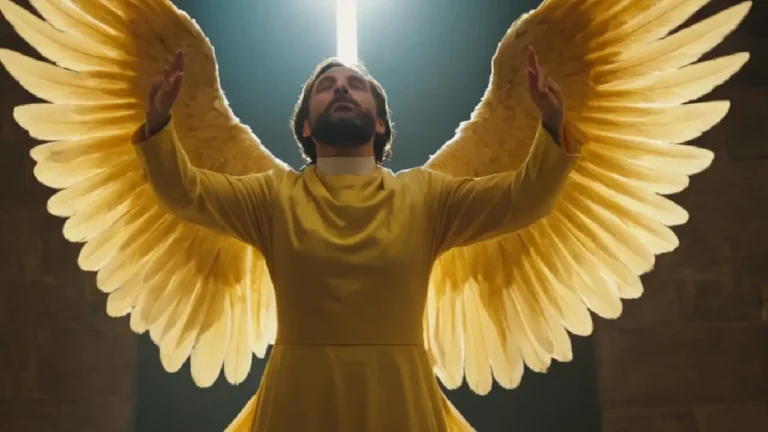
The Holy Spirit, the third person of the Christian Trinity, is often depicted in various forms and symbols. Understanding these visual representations can deepen our comprehension of the Spirit's nature and role.
- Representations of the Holy Spirit
- Biblical Descriptions and Symbolism
-
Frequently Asked Questions on Pictures of the Holy Spirit
- What is the significance of pictures of the Holy Spirit?
- What are the different symbols used to represent the Holy Spirit?
- Why is the Holy Spirit sometimes depicted as a dove?
- What is the meaning of the wind as a symbol of the Holy Spirit?
- What does it mean when the Holy Spirit is depicted as flames?
Representations of the Holy Spirit
Biblical Descriptions and Symbolism
The Bible describes the Holy Spirit through analogies and metaphors, including:
- Wind: Symbolizing the Spirit's invisible yet powerful nature (John 3:8).
- Fire: Representing the Spirit's purifying and transformative power (Acts 2:3).
- Water: Signifying the Spirit's life-giving and renewing influence (John 7:38-39).
Traditional Depictions in Art
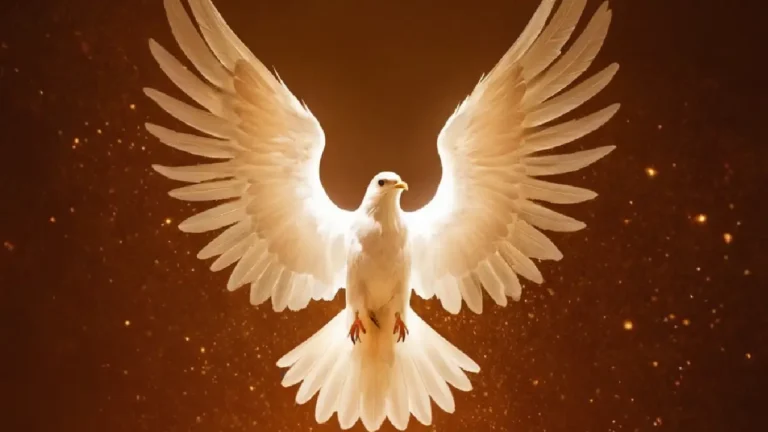
1. The Dove:
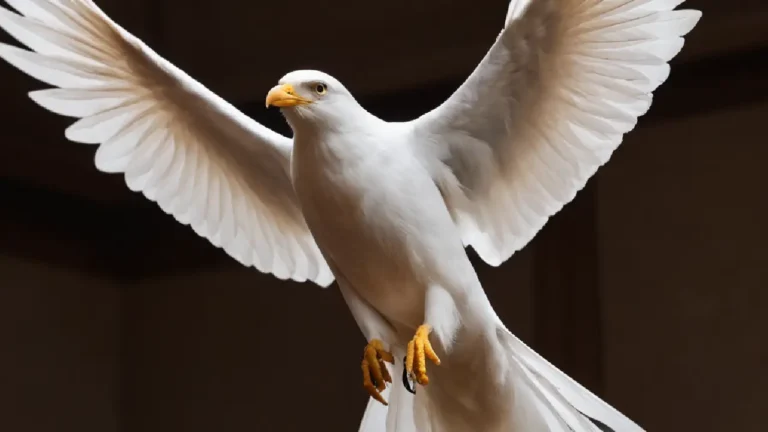
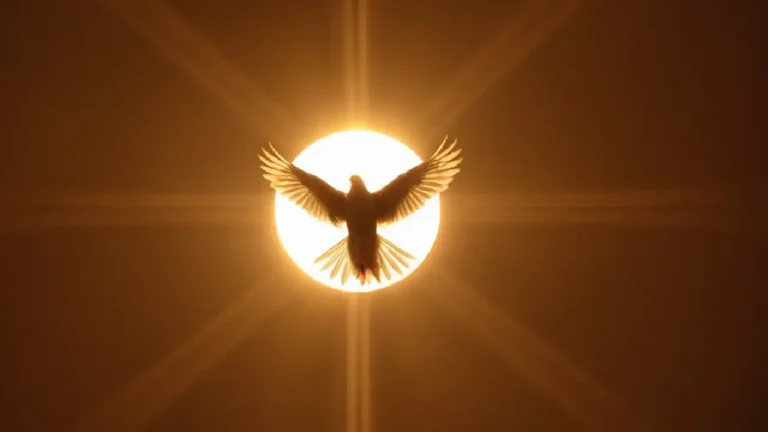
The dove is a common symbol of the Holy Spirit, particularly in images depicting the baptism of Jesus (Matthew 3:16). It represents the Spirit's peacefulness, purity, and guidance.
2. The Flaming Tongues:
In the book of Acts, the Holy Spirit descended upon the disciples as tongues of fire (Acts 2:3). This image symbolizes the Spirit's empowering and enabling presence.
3. The Cloud:
The Holy Spirit can also be depicted as a cloud, as in the case of the cloud that led the Israelites through the wilderness (Exodus 13:21). This image represents the Spirit's guiding and protective presence.
4. The Hand:
The hand is sometimes used to represent the Holy Spirit's active role in creation and guidance. For example, the hand of God is often depicted in images of the Trinity or in scenes of the Spirit descending upon individuals.
5. The Seven Gifts of the Holy Spirit:
The Bible lists seven gifts bestowed by the Holy Spirit: wisdom, understanding, counsel, fortitude, knowledge, piety, and fear of the Lord (Isaiah 11:2). These gifts are often represented symbolically in art, such as a dove for wisdom or a sword for fortitude.
Contemporary Depictions
In contemporary art, artists continue to explore the representation of the Holy Spirit using a wide range of styles and mediums. Some common themes include:
- Abstract Expressionism: Using abstract forms and colors to express the Spirit's dynamic and intangible nature.
- Symbolism: Employing traditional symbols, such as the dove or the flame, to convey the Spirit's attributes.
- Surrealism: Juxtaposing unexpected images and elements to evoke the mystery and wonder of the Spirit's presence.
Pictures of the Holy Spirit, whether traditional or contemporary, provide a glimpse into the multifaceted nature of the third person of the Trinity. They remind us of the Spirit's presence, guidance, and empowering influence in the lives of individuals and the church. Understanding these depictions can enhance our appreciation for the Holy Spirit's role in salvation, sanctification, and the ongoing work of God in the world.

Frequently Asked Questions on Pictures of the Holy Spirit
What is the significance of pictures of the Holy Spirit?
Pictures of the Holy Spirit are used as a visual representation of the third person of the Trinity in Christianity. They often depict the Holy Spirit in the form of a dove, flames, or wind, representing the different ways it manifests in Scripture.
What are the different symbols used to represent the Holy Spirit?
The most common symbols used to represent the Holy Spirit in pictures include:
- Dove: The dove is a symbol of peace, purity, and the indwelling of the Holy Spirit.
- Flames: Flames represent the transformative and purifying power of the Holy Spirit.
- Wind: Wind symbolizes the Holy Spirit's breath, which gives life and direction to believers.
Why is the Holy Spirit sometimes depicted as a dove?
The dove was chosen as a symbol of the Holy Spirit because it is mentioned in the Bible during Jesus' baptism. As Jesus came out of the water, "the Holy Spirit descended on him in bodily form like a dove" (Luke 3:22).
What is the meaning of the wind as a symbol of the Holy Spirit?
The wind is often used to represent the Holy Spirit because it is invisible but powerful, and it can move people and things in unseen ways. In the Bible, the Holy Spirit is compared to the wind in passages such as John 3:8, which says, "The wind blows where it wishes, and you hear its sound, but you do not know where it comes from or where it goes. So it is with everyone who is born of the Spirit."
What does it mean when the Holy Spirit is depicted as flames?
Flames are often used to symbolize the Holy Spirit because they represent the purifying and transformative power of God. In the Bible, the Holy Spirit is described as "a consuming fire" (Hebrews 12:29). This fire can burn away sin and impurities, leaving believers cleansed and refreshed.