
Instruments in the Church: A Guide to Their Purpose and Importance

Music plays an integral role in religious observances, evoking emotions and enhancing the spiritual experience. In Christian churches, a variety of instruments have been used throughout history to accompany worship, creating a rich and diverse musical tapestry.
| Instrument | Role in Worship | Commonly Used In |
|---|---|---|
| Organ | Provides harmonic support and grandeur | Catholic, Anglican, Lutheran churches |
| Piano | Accompanies singing, flexible for different styles | Protestant, Evangelical, Baptist churches |
| Guitar | Adds rhythm and melody, especially in modern worship | Contemporary, Pentecostal, non-denominational |
| Drums | Sets tempo and energy in lively worship settings | Pentecostal, Charismatic, youth services |
| Violin | Adds emotional expression and melodic beauty | Orthodox, Catholic, blended services |
| Flute | Provides soft, reflective tones | Traditional and classical church settings |
| Bass Guitar | Supports rhythm and harmony | Modern worship bands |
| Tambourine | Adds rhythm and joyful expression | Gospel, Pentecostal, revival meetings |
| Trumpet | Used for celebratory or majestic moments | Special occasions, liturgical churches |
| Choir Voice (SATB) | Central element of worship, carries melody and harmony | All major traditions: Catholic, Orthodox, Protestant |
Purpose of Instruments in the Church
Enhancing Worship
Instruments provide a powerful means of expressing praise and adoration to God. Their melodies, harmonies, and rhythms uplift hearts and create an atmosphere conducive to worship.
Accompanying Singing
Instruments support congregational singing, providing a harmonic framework and maintaining the tempo. They enhance the melody and create a sense of unity among worshipers.
Setting the Atmosphere
Different instruments can evoke specific emotions and create a desired atmosphere during worship services. For example, majestic organs provide a sense of grandeur, while soft, reflective melodies create a meditative ambiance.
Types of Instruments in the Church
Organs
Organs are large, wind-powered keyboard instruments known for their majestic sound. They are commonly found in larger churches and provide a rich, full accompaniment to hymns and other worship music.
Pianos
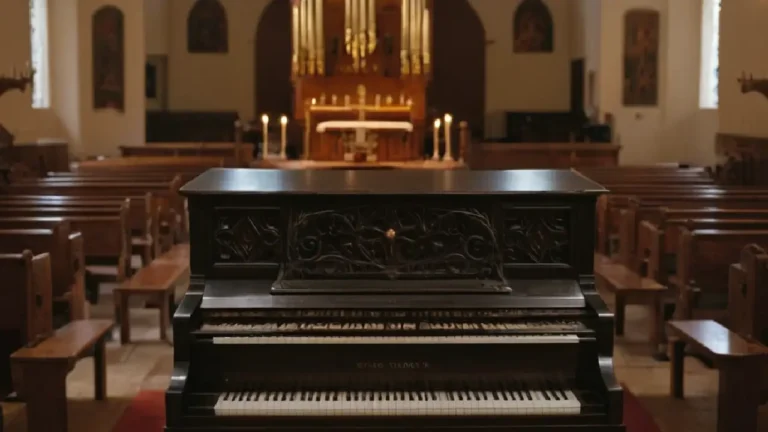
Pianos are versatile instruments that can be used for both solo performances and accompanying. They offer a wide range of expressive capabilities, making them suitable for various worship styles.
Guitars
Guitars are popular instruments in contemporary worship music. Their portability and ease of use make them ideal for small groups and praise bands. They provide a rhythmic foundation and melodic support.
Drums
Drums are essential for providing rhythm and driving the tempo of worship music. They create a sense of excitement and energy, enhancing the overall impact of the worship experience.
Other Instruments
In addition to these common instruments, many churches incorporate a variety of other instruments into their worship, such as:
- Brass instruments (e.g., trumpets, trombones)
- Woodwind instruments (e.g., flutes, clarinets)
- Strings (e.g., violins, cellos)
- Hand percussion instruments (e.g., tambourines, shakers)
Importance of Choosing the Right Instruments
The choice of instruments used in a church should be guided by the following factors:
- Worship style: Different worship styles call for different instruments. For example, contemporary worship may emphasize guitars and drums, while traditional worship may favor organs and pianos.
- Church size and acoustics: The size and acoustics of the church will influence the selection of instruments. Larger churches may require more powerful instruments, while smaller spaces may benefit from more intimate instruments.
- Skill level: The skill level of the musicians available should be considered when choosing instruments. Some instruments, such as organs, require specialized training.
By carefully considering these factors, churches can select instruments that enhance worship, create a meaningful atmosphere, and support the musical needs of their congregation.