
Feast of Moses: Celebrating the Lawgiver's Legacy
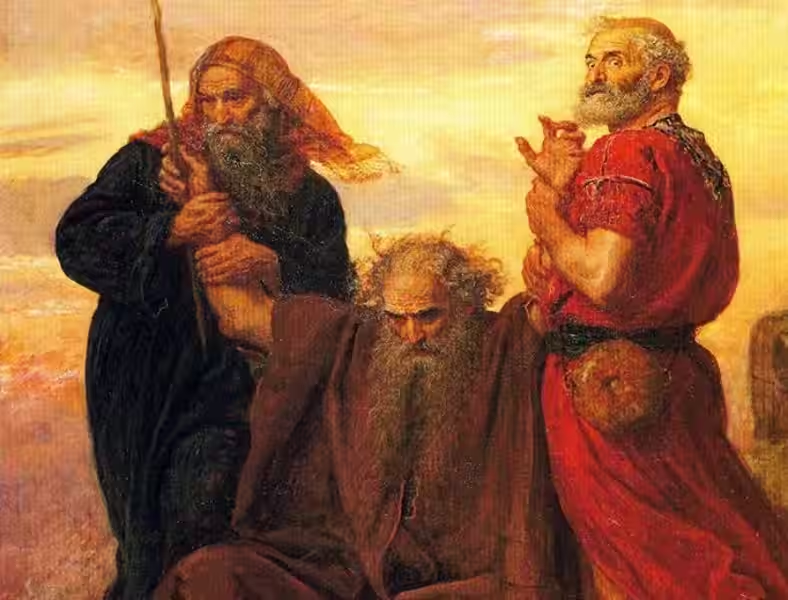
The Feast of Moses, observed on September 4th, is a significant commemoration honoring one of the most pivotal figures in the Old Testament. But who was Moses, and why is his life so worthy of celebration? This article delves into the life and legacy of Moses, exploring his remarkable journey and the enduring relevance of the Feast of Moses.
- The Miraculous Beginnings and Early Life of Moses
- The Calling and the Exodus from Egypt
- The Giving of the Law and the Covenant at Sinai
- Moses's Leadership and Legacy
- The Enduring Relevance of the Feast of Moses
-
Feast of Moses: Frequently Asked Questions
- What is the Feast of Moses the Lawgiver?
- Who was Moses?
- What are the key events in Moses' life commemorated by the feast?
- What is the significance of the Exodus?
- What is the importance of the Ten Commandments?
- How did Moses' leadership impact the Israelites?
- What is the significance of the forty-year sojourn in the desert?
- What is the symbolism of Moses' death at Mount Nebo?
- What lessons can we learn from Moses' life?
- How is the Feast of Moses celebrated?
The Miraculous Beginnings and Early Life of Moses
Moses's life began amidst the harsh realities of Hebrew slavery in Egypt. His very survival was a miracle; born into bondage, he was saved from infanticide when Pharaoh's daughter discovered him in a basket in the Nile River. This act of divine intervention foreshadowed his future role as a liberator.
The early years of his life, spent in the Egyptian royal court, provided him with an education and a privileged position, yet he later chose to identify with his people. This pivotal decision highlights the complexities of identity and faith.
The Calling and the Exodus from Egypt
After witnessing the suffering of his people, and killing an Egyptian overseer who unjustly abused a Hebrew slave, Moses fled to Midian, where he lived a seemingly ordinary life. However, his destiny was irrevocably altered upon his encounter with the burning bush on Mount Horeb (Sinai).
God's command to lead the Israelites out of Egyptian bondage marked the beginning of a transformative journey. Initially hesitant, Moses, with his brother Aaron’s support, confronted Pharaoh. Their pleas, initially met with resistance, were ultimately answered through a series of divinely-sent plagues.
The Ten Plagues and the Liberation of the Israelites
The ten plagues – devastating events like the Nile turning to blood, swarms of locusts, and the death of the firstborn – served as powerful demonstrations of God's power and compelled Pharaoh to release the enslaved Hebrews. This dramatic series of events forms the foundation narrative of the Exodus, the Israelites' escape from Egypt, a pivotal moment in Jewish history and a powerful symbol of liberation.
This escape was far from a simple journey. The Exodus was a treacherous and miraculous event, filled with trials, tribulations, and divine interventions, cementing Moses's role as a powerful intermediary between God and his people.
The Giving of the Law and the Covenant at Sinai
Reaching Mount Sinai, Moses received the Ten Commandments directly from God, the cornerstone of the Israelite covenant. These commandments, etched in stone, provided the moral and legal framework for their society and their relationship with God.
The establishment of this covenant signified a significant step in the development of Israelite identity and religious practice. The receiving of the Law at Sinai is considered a pivotal moment in Jewish history and a cornerstone of their faith.
The Forty Years in the Wilderness
Despite receiving the divine law, the Israelites repeatedly demonstrated a lack of faith, doubting God’s promises and rebelling against Moses’ leadership. This led to their forty-year sojourn in the desert, a period of testing, purification, and profound spiritual growth.
This period, though challenging, forged a stronger bond between the Israelites and their God, and further solidified Moses's role as a patient and enduring leader.
Moses's Leadership and Legacy
Throughout their arduous journey, Moses served as a faithful leader, interceding for his people and guiding them through numerous trials. He acted as a mediator between God and the Israelites, conveying God's will and pleading for their forgiveness.
His unwavering dedication to his people, despite their constant challenges, stands as a testament to his faith and leadership qualities. He was not only a lawgiver but also a compassionate and patient leader who understood the complexities of guiding a people through hardship.
The Promise Land and the End of an Era
Nearing the end of their wandering, Moses was granted a glimpse of the Promised Land from Mount Nebo in Moab before his death. This final act, though tinged with sadness, emphasized the significance of his life's work and the fulfillment of God's promise to his chosen people.
Moses's passing marked the end of an era, but his legacy continued through the leadership of Joshua. His role in shaping the identity and faith of the Israelites remains profound and continues to inspire faith and leadership even today. The Feast of Moses, therefore, serves as a time for reflection on his life, leadership, and the enduring power of faith, even in the face of immense adversity.
The Enduring Relevance of the Feast of Moses
The Feast of Moses on September 4th provides an opportunity for reflection on his life and its timeless significance. His story is not simply a historical account; it's a powerful narrative that speaks to universal themes of faith, leadership, obedience, and perseverance in the face of adversity. His struggles and triumphs resonate deeply, serving as a source of inspiration for individuals and communities facing their own challenges. The Feast of Moses is not just a historical commemoration; it's a celebration of faith, leadership, and the enduring power of the human spirit. The life and legacy of Moses, the lawgiver, remain an important part of the Jewish tradition and have had a lasting impact on religious and cultural thought for millennia. This commemoration, therefore, serves as a powerful reminder of his enduring contributions.
Feast of Moses: Frequently Asked Questions
What is the Feast of Moses the Lawgiver?
The Feast of Moses the Lawgiver, observed on September 4th, is a commemoration of the life and legacy of Moses, a pivotal figure in the Old Testament. It offers a time for reflection on his life, leadership, and enduring relevance to faith.
Who was Moses?
Moses was a prophet and leader of the Israelites, best known for leading them out of slavery in Egypt and receiving the Ten Commandments from God on Mount Sinai. His story is recounted in the first five books of the Bible (the Pentateuch).
What are the key events in Moses' life commemorated by the feast?
The feast commemorates several key events: his miraculous rescue from infanticide, his escape to Midian, his encounter with God at the burning bush, the plagues of Egypt, the Exodus, the receiving of the Ten Commandments, the forty-year sojourn in the desert, and his death at Mount Nebo.
What is the significance of the Exodus?
The Exodus, the Israelites' escape from slavery in Egypt, is a central event in Jewish and Christian history. It symbolizes liberation from oppression and God's power to deliver his people. Moses' role in this event solidified his place as a pivotal leader.
What is the importance of the Ten Commandments?
The Ten Commandments, received by Moses on Mount Sinai, form the foundation of the Israelite covenant with God. They represent God's moral law and guide for ethical living, influencing countless legal and ethical systems throughout history.
How did Moses' leadership impact the Israelites?
Moses' leadership was marked by both triumphs and challenges. He guided the Israelites through difficult times, but also faced their repeated doubts and rebellions. His story highlights the complexities of leadership and the importance of perseverance.
What is the significance of the forty-year sojourn in the desert?
The forty-year sojourn in the desert represents a period of testing and purification for the Israelites. It highlights their repeated failures of faith and God's patience and unwavering commitment to his chosen people.
What is the symbolism of Moses' death at Mount Nebo?
Moses' death at Mount Nebo, where he was allowed to see the Promised Land but was not permitted to enter, symbolizes the end of an era and the passing of leadership to Joshua. It also underscores the limitations of human life even in the context of divine favor.
What lessons can we learn from Moses' life?
Moses' life offers valuable lessons on faith, obedience, perseverance, and the challenges of leadership. His story emphasizes the importance of trusting in God's plan, even in the face of adversity, and the significance of unwavering commitment to one's calling.
How is the Feast of Moses celebrated?
The Feast of Moses is not a widely celebrated liturgical feast in the same way as some other religious holidays. However, the date provides an opportunity for personal reflection on Moses' life and the enduring significance of his story for faith and leadership. Some individuals or groups may choose to hold services or study sessions focused on his life and teachings.