
¿Por Qué las Cargas Pesadas Requieren un Manejo Especial en Alemania?
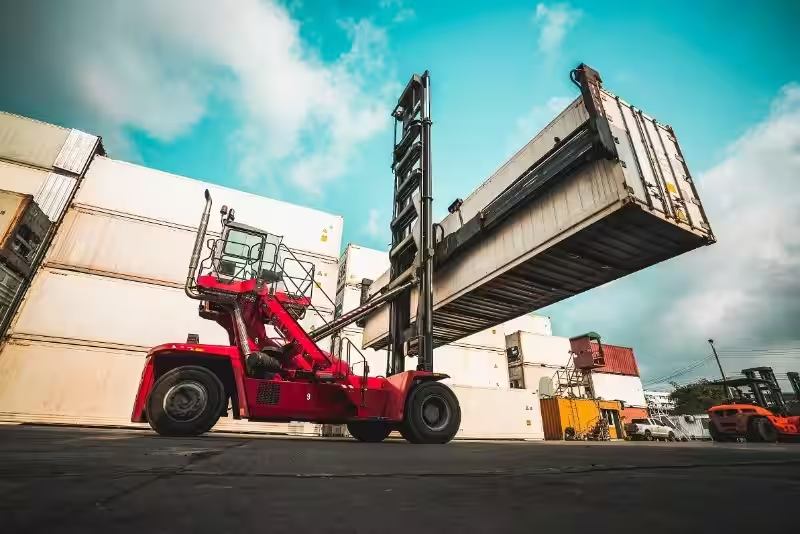
Transporting oversized and heavy goods presents unique challenges, especially in a country with a well-established road network like Germany. Understanding the regulations and logistical complexities is crucial for anyone involved in moving these cargas pesadas. This article will explore the intricacies of heavy load transport in Germany, focusing on the legal frameworks, logistical considerations, and the processes involved in securing the necessary permits.
- Clasificación de Cargas Pesadas en Alemania
- Los Retos Logísticos de Mover Cargas Pesadas
- Regulaciones y Permisos para Cargas Pesadas: La RGST y Más
- La Importancia de un Permiso Válido para Cargas Pesadas
-
FAQs: Heavy Load Transport in Germany
- What are the categories of heavy loads in Germany?
- Why are there special regulations for heavy load transport?
- What is the main regulatory document governing heavy load transport in Germany?
- What are the typical time restrictions for heavy load transport?
- What permits are needed for heavy load transport?
- How long does it take to obtain permits?
- Are there any systems to streamline the permit process?
- What happens if I transport a heavy load without the necessary permits?
- What role do escort vehicles play?
- How do specialized transport companies manage the permit process?
Clasificación de Cargas Pesadas en Alemania
Germany categorizes cargas pesadas into four distinct types, each with specific regulations and requirements:
-
Transporte de alto volumen: This category encompasses large items such as silos, tanks, and other oversized structures that might not necessarily be exceptionally heavy but require extensive planning due to their sheer size. The focus here is primarily on maneuvering such large objects safely and efficiently through the road network.
-
Transporte pesado: This refers to loads that are exceptionally heavy, such as concrete beams, large machinery, or industrial components. The weight of these items is the primary concern, demanding specialized equipment and careful route planning to avoid damaging infrastructure.
-
Transporte combinado de alto volumen y pesado: This classification combines the challenges of both high-volume and heavy transport. Think large turbines or transformers – these loads are both massive and incredibly heavy, requiring meticulous planning and specialized expertise for safe and successful transportation.
-
Transporte de larga longitud: This class includes objects like wind turbine blades or long structural beams. The length of these items poses a significant challenge, demanding specific permits and potentially requiring escorts due to their potential to overhang lanes and pose a risk to other road users.
The regulations governing these different types of heavy goods transportation are designed to ensure traffic safety and infrastructure protection. Each category often necessitates specific permits and escorts.
Los Retos Logísticos de Mover Cargas Pesadas
Moving cargas pesadas presents several significant logistical hurdles:
-
Impacto en la infraestructura vial: The sheer weight and size of these loads can cause damage to roads, bridges, and other infrastructure. Therefore, routes are carefully assessed to ensure suitability before transport is permitted.
-
Disrupción del tráfico: The movement of heavy loads can significantly disrupt traffic flow, leading to delays and congestion. This necessitates careful planning and coordination to minimize the impact on other road users.
-
Restricciones de tiempo: Germany imposes strict time restrictions on heavy load transport, often prohibiting movement during peak hours or holidays. This is to alleviate traffic congestion and improve road safety. These restrictions can be particularly complex for exceptionally large loads. For example, a typical weekday restriction might be 9 AM to 3 PM, whilst exceptionally large loads might only be permitted during the night.
These logistical constraints necessitate careful planning and often require the involvement of specialized transport companies. The complexity of the logistics often leads to increased costs.
Regulaciones y Permisos para Cargas Pesadas: La RGST y Más
The German "Regulation on Heavy Vehicles" (RGST) is the cornerstone of legal framework governing the transport of oversized and heavy loads. This regulation outlines strict requirements for permits, route planning, and escort vehicles.
Obtaining the necessary permits is a complex process that requires detailed information about the load, including:
- Dimensiones: Length, width, and height are all critical.
- Peso: Total weight and axle loads must be specified.
- Distancia entre ejes: Wheelbase dimensions are crucial for assessing stress on road surfaces.
- Ancho de vía: The track width also affects road stability.
Applications must be submitted well in advance to the competent authority. For international transports, permits are needed from every country the transport will traverse, substantially lengthening the approval processes, which can often take several weeks.
To streamline this process, dedicated transport companies often negotiate permanent permits for frequently used routes. This reduces bureaucratic delays significantly, especially in industries like shipbuilding or wind energy transportation. Similarly, the VEMAGS system (Procedure Management for Bulky and Heavy Goods Transport) aims to digitize and optimize permit applications. However, its adoption remains inconsistent across all German states and municipalities.
La Importancia de un Permiso Válido para Cargas Pesadas
Transporting cargas pesadas without the necessary permits is illegal and carries significant penalties. It's crucial to understand the regulations and to initiate the permit application process well in advance. Failure to comply can result in substantial fines and potential legal repercussions. The consequences of operating illegally also include potential damage to infrastructure and risks to public safety. Therefore, always ensure you have the appropriate permits and adhere to the specified regulations before undertaking any transport of heavy or oversized loads. This ensures legal compliance and contributes to the safety and efficiency of Germany's road network.
FAQs: Heavy Load Transport in Germany
What are the categories of heavy loads in Germany?
German regulations classify heavy loads into four categories: high-volume transport (e.g., large silos or tanks), heavy transport (e.g., concrete beams or heavy machinery), combined high-volume and heavy transport (e.g., large turbines or transformers), and long-length transport (e.g., wind turbine blades). Each category may have specific regulations.
Why are there special regulations for heavy load transport?
Heavy and oversized loads pose significant challenges to road infrastructure and traffic flow. Their size and weight often exceed standard traffic regulations, leading to increased road wear and potential traffic disruption. Special regulations ensure safety and minimize disruption.
What is the main regulatory document governing heavy load transport in Germany?
The "Regulation on Heavy Vehicles" (RGST) is the primary legal framework governing the transport of heavy and oversized loads in Germany. It details specific requirements and restrictions.
What are the typical time restrictions for heavy load transport?
Time restrictions vary depending on the load's size and route. Generally, peak hours and holidays are avoided to minimize traffic congestion. Weekday transport might be limited to 9 am - 3 pm, while exceptionally large loads may only be transported at night. Specific times are detailed within the RGST.
What permits are needed for heavy load transport?
Obtaining the necessary permits is crucial and a complex process. Applications, submitted well in advance to the competent authority, must include detailed information about the load and planned route. International transports require permits from all countries involved.
How long does it take to obtain permits?
The permit approval process can typically take several weeks, especially for international transports. The complexity and number of permits required significantly impacts the processing time.
Are there any systems to streamline the permit process?
The VEMAGS system (Procedure Management for Bulky and Heavy Goods Transport) aims to digitize and optimize permit applications. This online system facilitates plausibility checks and accelerates approval times, but adoption isn't universal across Germany.
What happens if I transport a heavy load without the necessary permits?
Transporting a heavy or oversized load without the required permits is illegal and can result in significant fines and legal consequences. A valid permit is mandatory before undertaking any such transport.
What role do escort vehicles play?
Depending on the load's dimensions, escort vehicles, and even police supervision, may be required to ensure safe and controlled transport. This is part of the overall safety regulations outlined in the RGST.
How do specialized transport companies manage the permit process?
Specialized companies often negotiate permanent permits for regularly used routes, significantly reducing bureaucratic delays for frequent transports in sectors like shipbuilding or wind turbine transport. This strategic approach optimizes efficiency.