
The Urgent Call of Life: Confronting the Sixth Mass Extinction
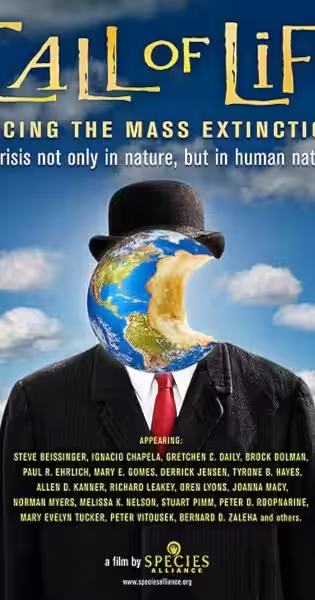
Are you aware of the alarming rate of species extinction happening around us? The documentary "Call of Life: Facing the Mass Extinction" shines a light on this critical issue, painting a stark but vital picture of our planet's future. This article will delve into the key takeaways from this impactful film, exploring the complex web of causes and offering pathways towards a more sustainable future.
- Understanding the Scale of the Crisis
- The Interconnectedness of the Problem: Beyond Environmental Concerns
- A Crisis for Humanity, Not Just Nature
- The Call to Action: Toward a Sustainable Future
-
Call of Life: Frequently Asked Questions
- What is "Call of Life: Facing the Mass Extinction" about?
- How fast is the extinction rate, according to the film?
- What are the main causes of this mass extinction highlighted in the film?
- Does the film only focus on environmental problems?
- Who is interviewed in the documentary?
- What is the film's central argument regarding humanity's role?
- Does the film offer a hopeful message?
- What kind of solutions are suggested in the film?
- Why is it important to understand the psychological aspects of the crisis?
- What is the overall message of "Call of Life"?
Understanding the Scale of the Crisis
The sheer speed of biodiversity loss is staggering. The documentary highlights that extinction rates are currently 1,000 to 10,000 times faster than natural rates, unequivocally signifying a mass extinction event – the sixth in Earth's history. This isn't just about the loss of individual species; it's about the unraveling of entire ecosystems, and the ripple effects threaten the stability of the planet as a whole. The implications extend far beyond the environmental realm, impacting every aspect of human life.
The film doesn't shy away from the grim reality. It presents compelling data and visuals to drive home the magnitude of the problem. However, it doesn't end there; it goes beyond simply documenting the decline, addressing the underlying causes and the urgent need for collective action.
The Interconnectedness of the Problem: Beyond Environmental Concerns
The call of life is a multifaceted challenge. It's not just an environmental problem; it's deeply intertwined with human behavior, cultural norms, and economic systems. This interconnectedness is a central theme in the documentary.
The film emphasizes that our unsustainable economic models, prioritizing short-term gains over long-term ecological sustainability, are a major driver of the crisis. Similarly, cultural values that place humans in a position of dominance over nature, rather than viewing ourselves as integral parts of the ecosystem, contribute significantly to the problem.
The Role of Human Behavior and Belief Systems
Furthermore, the film explores the psychological factors that hinder collective action and empathy towards the natural world. We often lack the awareness or the willingness to change ingrained behaviors and belief systems that actively contribute to environmental degradation. This is where the documentary's interdisciplinary approach proves invaluable. By engaging experts from diverse fields – scientists, psychologists, anthropologists, philosophers, indigenous leaders, and religious leaders – the film provides a holistic understanding of the crisis and its multifaceted nature.
A Crisis for Humanity, Not Just Nature
"Call of Life" powerfully argues that this extinction event is not just a crisis for the natural world; it’s a profound threat to humanity's future, potentially surpassing any crisis we've previously faced. The interconnectedness of ecosystems and human well-being is undeniable. The loss of biodiversity directly impacts food security, water resources, climate stability, and human health.
The film's exploration of psychological and anthropological aspects highlights the flaws in our understanding of our place within the ecosystem. Our current worldview, often characterized by separation and dominance over the natural world, needs a fundamental reevaluation.
Indigenous Perspectives: A Path Forward?
The inclusion of indigenous perspectives is a particularly powerful aspect of the documentary. These perspectives offer alternative worldviews rooted in a deep connection with nature and a profound sense of interconnectedness. They provide valuable insights into sustainable practices and holistic approaches to living in harmony with the environment. These traditional ecological knowledge systems offer potential solutions that are often overlooked in mainstream discussions. Religious leaders also contribute, offering spiritual perspectives on our responsibility towards the environment and the call of life to act as stewards of creation.
The Call to Action: Toward a Sustainable Future
The documentary doesn't simply present a bleak picture; it offers a call to action. It challenges viewers to critically examine their own role in the crisis and consider the systemic changes necessary to address it. This isn't about individual actions alone, although they are important; it’s about transforming our societal structures and economic systems to prioritize ecological sustainability.
Shifting Our Worldview: A Necessary Transformation
The film suggests that a fundamental shift in worldview is crucial for survival. Embracing a more sustainable and interconnected approach to life isn't just desirable; it's essential for the future of both biodiversity and humanity. This shift involves:
- Re-evaluating economic models: Moving away from unsustainable practices and embracing circular economies that prioritize long-term ecological sustainability.
- Transforming cultural values: Shifting from a human-centric worldview to one that recognizes the intrinsic value of all life and the interconnectedness of all living things.
- Promoting collective action: Fostering empathy, collaboration, and a sense of shared responsibility in addressing the crisis.
- Learning from indigenous knowledge: Integrating traditional ecological knowledge into modern approaches to conservation and sustainable development.
The strength of "Call of Life" lies in its comprehensive and holistic approach. It connects seemingly disparate fields, illuminating the complex web of factors driving the current extinction event and urging a fundamental change in human behavior and societal structures. It's a powerful and urgent message, a call to life itself, demanding our immediate attention and concerted action. Ignoring this call would be at our own peril.
Call of Life: Frequently Asked Questions
What is "Call of Life: Facing the Mass Extinction" about?
"Call of Life" is a documentary that explores the ongoing mass extinction event, highlighting its alarming rate and the profound implications for both the natural world and humanity. It goes beyond simply listing species losses to examine the root causes and potential solutions.
How fast is the extinction rate, according to the film?
The film estimates that the current rate of species extinction is 1,000 to 10,000 times faster than natural rates, indicating a true mass extinction event.
What are the main causes of this mass extinction highlighted in the film?
The film identifies direct causes like habitat destruction, pollution, and climate change. However, it emphasizes underlying systemic issues, including unsustainable economic models, cultural values that prioritize human dominance over nature, and psychological patterns that hinder collective action and empathy for the natural world.
Does the film only focus on environmental problems?
No. "Call of Life" takes a holistic approach, examining the interconnectedness of the crisis. It explores the cultural, economic, and psychological factors contributing to the problem, arguing that the issue is not solely environmental but also deeply rooted in human behavior and societal structures.
Who is interviewed in the documentary?
The film features a diverse range of experts, including scientists, psychologists, anthropologists, philosophers, indigenous leaders, and religious leaders, providing a multi-faceted perspective on the crisis.
What is the film's central argument regarding humanity's role?
The film argues that humanity's understanding of its place in the ecosystem is fundamentally flawed and contributes significantly to the crisis. Our behaviors, belief systems, and economic systems actively drive the extinction event.
Does the film offer a hopeful message?
While acknowledging the severity of the situation, "Call of Life" doesn't present a purely bleak outlook. It implicitly suggests that addressing the crisis is crucial for humanity's survival and explores alternative worldviews and potential solutions offered by indigenous and religious perspectives. It emphasizes the need for a shift in worldview towards a more sustainable and interconnected approach to life.
What kind of solutions are suggested in the film?
The documentary advocates for a fundamental shift in human behavior and societal structures. This includes transitioning to more sustainable economic models, reevaluating our cultural values regarding nature, fostering empathy and collective action, and incorporating indigenous and spiritual perspectives that emphasize interconnectedness.
Why is it important to understand the psychological aspects of the crisis?
Understanding the psychological aspects is crucial because our ingrained behaviors and belief systems significantly shape our responses to the crisis. The film suggests that addressing the psychological barriers to collective action is essential for effective solutions.
What is the overall message of "Call of Life"?
The film urges critical self-reflection, challenging viewers to confront their role in the mass extinction and consider the systemic changes necessary to address it. It emphasizes the interconnectedness of all life and stresses that a fundamental shift in worldview is crucial for the survival of both biodiversity and humanity itself.