
Understanding the Biblical Table: More Than Just a Place to Eat
The seemingly simple word "table" holds surprising depth and multifaceted symbolism within the Bible. Far from being merely a piece of furniture, the table serves as a powerful metaphor for relationships, provision, covenant, and ultimately, communion with God. This article will explore the various ways "biblical table" appears throughout scripture, revealing its profound significance in understanding God's plan for humanity.
- The Table as a Symbol of Fellowship and Provision
- The Passover Table: A Covenant Renewed
- Reinterpreting Psalm 23:5: The Negotiating Table
- The Lord's Supper: A Table of Remembrance and Renewal
- Heavenly Tables: A Glimpse of Eternal Fellowship
- The Biblical Table in Modern Leadership
-
Frequently Asked Questions: Biblical Tables
- What is the significance of tables in the Bible?
- What are some key examples of biblical tables and their symbolic meanings?
- How does the "table" metaphor relate to leadership?
- Beyond literal meals, what other figurative meanings does "table" hold in the Bible?
- How can I apply the concept of the "biblical table" to my own life?
The Table as a Symbol of Fellowship and Provision
The image of a table inherently evokes feelings of community and shared experience. Unlike a chair or a bed, a table necessitates interaction. It's a place where people gather, share meals, and engage in conversation, fostering connection and fellowship. This inherent nature of a table perfectly encapsulates the biblical narrative of God's relationship with humanity.
One of the most prominent examples is the table of shewbread within the Tabernacle. This wasn't just a random piece of furniture; it was meticulously crafted and held twelve loaves of bread, constantly representing God's continuous provision for his people. The very act of placing this bread on a table, rather than simply storing it, emphasizes the relational aspect of God's provision. It wasn't merely sustenance; it was a tangible symbol of God's presence and His commitment to His covenant with Israel.
Furthermore, the selection of a table for this sacred task speaks volumes. It could have been a chest, a shelf, or any other container, but the choice of a table implicitly highlights the intention for shared communion and access to God's presence. This carefully considered detail underscores the consistent theme of relationality woven throughout the Old Testament.
The Passover Table: A Covenant Renewed
The Passover table provides another powerful illustration of the "biblical table" concept. This annual meal isn't merely a historical commemoration; it's a living, breathing testament to God's deliverance and the enduring covenant between God and His people. The act of gathering around the table, sharing the symbolic meal, and recounting the story of Exodus serves as a continuous reinforcement of this sacred bond.
The Passover table goes beyond mere remembrance; it's an act of actively participating in the ongoing covenant relationship. The shared meal, the storytelling, and the communal experience all serve to strengthen the bonds of faith and community, reflecting the inherent nature of the table as a place of fellowship and shared experience. This annual ritual powerfully demonstrates how a simple table can become a catalyst for profound spiritual renewal.
Reinterpreting Psalm 23:5: The Negotiating Table
Psalm 23:5, "You prepare a table before me in the presence of my enemies," is often interpreted as a picture of defiant feasting in the face of adversity. However, a deeper understanding of the Hebrew word "arak" (prepare) suggests a more nuanced interpretation. The word implies strategic positioning, not just setting out a meal.
This passage can be viewed as depicting a "negotiating table," where God strategically places himself alongside His followers to confront their adversaries. The focus shifts from simple sustenance to a demonstration of God's presence and protection in the midst of conflict. It's a scene of empowerment and reassurance, highlighting God's unwavering support and his active role in conflict resolution and relationship restoration. The "biblical table" in this context becomes a powerful symbol of God's active intervention and unwavering faithfulness.
The Lord's Supper: A Table of Remembrance and Renewal
The Lord's Supper, instituted by Jesus at a table, provides a pivotal example of the "biblical table" in the New Testament. This meal isn't simply a symbolic act; it's a powerful reminder of Jesus' sacrifice, a renewal of the covenant with Him, and a strengthening of the bonds of Christian fellowship.
The shared meal, the breaking of bread, and the drinking of the cup all serve as tangible reminders of Christ's sacrifice and his ongoing relationship with his followers. The table becomes a focal point for spiritual nourishment and communal unity, signifying a continuous act of fellowship and spiritual empowerment. The choice of a table for this momentous event further emphasizes its relational significance.
Heavenly Tables: A Glimpse of Eternal Fellowship
The concept of "biblical table" extends beyond earthly experiences. The imagery of heavenly feasts, like the "wedding supper of the Lamb" in Revelation, depicts ultimate communion and celebration with God. These heavenly tables represent a joyful reunion in the kingdom of heaven, characterized by eternal fellowship and joyous communion with God.
Jesus' parables frequently use the imagery of wedding feasts to illustrate the joyous nature of the kingdom of God. These parables serve as a powerful reminder that the fellowship and communion experienced around earthly tables are a foretaste of the ultimate banquet awaiting the faithful in eternity. This celestial perspective reinforces the deep significance of the "biblical table" as a symbol of God's enduring relationship with humanity.
The Biblical Table in Modern Leadership
The concept of the biblical table offers a powerful framework for modern leadership. The act of gathering around a physical table promotes engagement and facilitates deeper conversations, fostering meaningful relationships and encouraging collaborative problem-solving. This intentional use of the "biblical table" as a tool for leadership can create a more relational and effective working environment.
By consciously incorporating the symbolism of the "biblical table" into leadership settings, leaders can cultivate a culture of trust, collaboration, and shared purpose, mirroring the communal and relational aspects emphasized throughout scripture. This approach to leadership, rooted in biblical imagery, offers a powerful and effective means of building strong, relational leadership based on mutual respect and shared purpose. The "biblical table" is more than just a metaphor; it's a blueprint for fostering meaningful relationships.
Frequently Asked Questions: Biblical Tables
What is the significance of tables in the Bible?
The Bible uses the imagery of "the table" far beyond its literal meaning as a piece of furniture. It consistently represents fellowship, communication, shared experience, and the nature of God's relationship with humanity. Different tables throughout scripture symbolize God's provision, covenant relationships, conflict resolution, and ultimately, communion with Him. The repeated use is not arbitrary but deliberate, highlighting the relational aspect of worship and interaction with God.
What are some key examples of biblical tables and their symbolic meanings?
Several prominent examples illustrate the multifaceted symbolism:
-
The Table of Shewbread (Tabernacle): This physical table symbolized God's continuous provision and the community's access to His presence. The choice of a table emphasizes the relational aspect of worship.
-
The Passover Table: This table commemorates God's deliverance and solidifies the covenant between God and His people. The ongoing tradition underscores the enduring nature of this relationship.
-
Psalm 23:5 ("You prepare a table before me..."): This verse depicts the table, not just as a meal, but as a "negotiating table" where God strategically positions himself with His flock to face adversaries, emphasizing conflict resolution and relationship restoration.
-
The Lord's Supper Table: Jesus' institution of the Last Supper at a table highlights its significance as a gathering point for followers to remember His sacrifice and renew their covenant with Him. It signifies ongoing fellowship and spiritual nourishment.
-
Heavenly Tables (Revelation): These tables, such as the "wedding supper of the Lamb," symbolize the ultimate celebration, fellowship, and communion with God in the kingdom of heaven.
How does the "table" metaphor relate to leadership?
The article suggests that the biblical imagery of the table offers a powerful framework for building strong, relational leadership. The physical act of sitting around a table promotes engagement and facilitates deeper conversations, contrasting with more informal settings. Using the "table" as a tool encourages meaningful relationships and discussions in leadership contexts.
Beyond literal meals, what other figurative meanings does "table" hold in the Bible?
The word "table" takes on symbolic weight beyond physical objects:
- Tables of Stone (Ten Commandments): Represent God's law and covenant with his people.
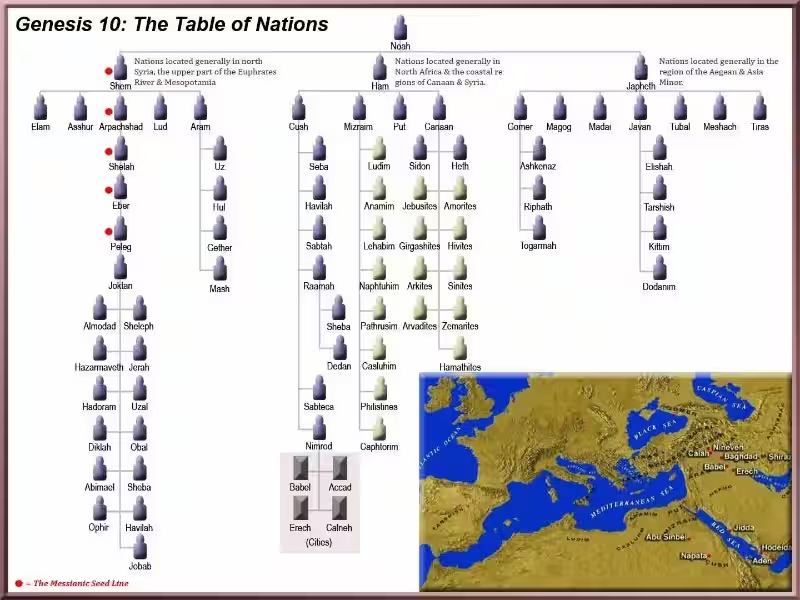
- Table of the Nations (Genealogies): Represents lineage and historical accounts.
- Tables of Money-changers (Temples): Symbolizes the corruption that Jesus opposed.
- Metaphorical Tables: Represent God's provision (Psalm 23), wisdom (Proverbs), judgment (Isaiah, Ezekiel), and fellowship (Luke, Matthew).
How can I apply the concept of the "biblical table" to my own life?
Consider incorporating the principles of fellowship and meaningful connection into your personal relationships and spiritual practices. Actively seek opportunities to share meals, engage in deeper conversations, and create spaces for meaningful interaction with others, reflecting on God's presence and provision in those shared experiences. Think about how you can use the "table" metaphor to build stronger relationships and foster a sense of community.