
Understanding Sin Examples: A Guide to Recognizing and Overcoming Spiritual Obstacles
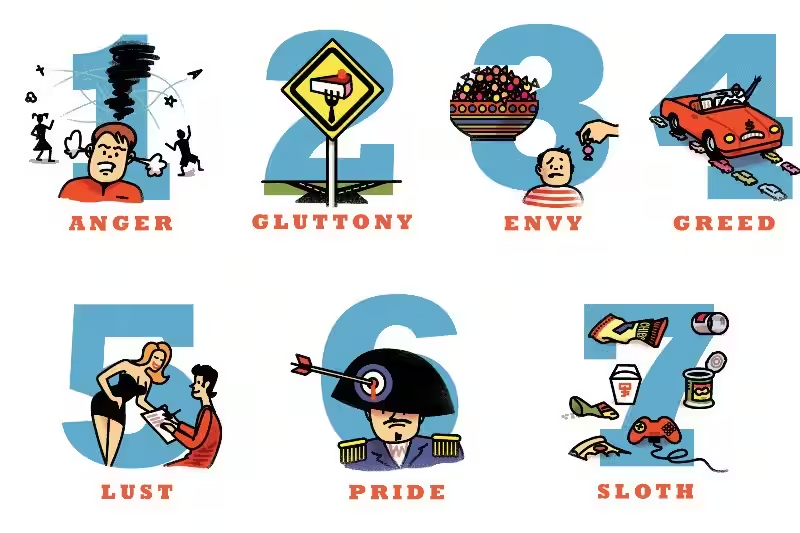
Understanding sin can be complex. While we readily identify egregious acts, many everyday behaviors, seemingly minor in nature, can subtly erode our relationship with God. This article explores various sin examples, categorized for clarity, but recognizing that these often overlap and intertwine. The core principle guiding our understanding is that "whatever is not of faith is sin" (Romans 14:23), highlighting the fundamental role of faith in aligning our lives with God's will.
- Sins Directed Inward: The Hidden Battles
- Sins Directed Outward: Manifestations of a Broken Heart
- Pride and Idolatry: The Root of Many Sins
- Spiritual Afflictions: Consequences of Sin
- Occultism: A Dangerous Path
- Repentance and Surrender: The Path to Healing
-
Frequently Asked Questions about Sin
- What is sin, fundamentally?
- Are all sins equal?
- What are some examples of inward sins?
- What are some examples of outward sins?
- What role does pride play in sin?
- What is idolatry, and how does it relate to sin?
- How do fear, infirmity, and other spiritual afflictions relate to sin?
- What is considered occultism in this context?
- How important is repentance?
- What is the role of God's grace in overcoming sin?
- Is it possible to live a sinless life?
- What are "acceptable sins"?
- What are some examples of "acceptable sins"?
- How can I overcome sin?
- What is the difference between this perspective and the "prosperity gospel"?
- Is this list of sins exhaustive?
- What if I'm struggling to identify my own sins?
- Should I focus on demonic forces or my relationship with God?
- Where can I find more information?
We often overlook the insidious nature of sins directed inward. These sins, while unseen by others, can be profoundly damaging to our spiritual well-being. They create a barrier between ourselves and a loving God.
Self-hatred, for example, is a corrosive force that undermines self-worth and prevents us from recognizing the inherent value God places on each of us. It stems from a disconnect with God's unconditional love.
Self-blame, often fueled by perfectionism, can lead to crippling guilt and prevent us from experiencing God's grace and forgiveness. It's a constant internal struggle that overshadows God's love and mercy. Similarly, self-pity fosters a sense of entitlement and prevents us from taking responsibility for our actions and seeking God's help.
Sins Directed Outward: Manifestations of a Broken Heart
Sins directed outward are often more easily recognized, yet their root cause often lies within our own hearts. Hate, unforgiveness, and anger are powerful emotions that, unchecked, can severely damage our relationships and hinder our spiritual growth.
Hate, in its various forms, closes our hearts to compassion and empathy. It’s a rejection of God’s love for all people. Unforgiveness is a heavy burden that keeps us bound to past hurts, preventing us from experiencing the freedom that comes from releasing those hurts to God.
Anger, while sometimes a valid response to injustice, can easily become destructive when fueled by pride or self-interest. Jealousy, a subtle yet potent sin, erodes contentment and breeds resentment, turning our hearts away from God and towards selfish desires. Manipulation, a conscious effort to control others, is a deliberate act of sin that violates God's command to love our neighbor.
Pride and Idolatry: The Root of Many Sins
Pride and idolatry are often cited as root causes of many other sins. Pride, in its many forms – arrogance, a need to be right, a sense of superiority – obscures our vision of God and prevents us from acknowledging our dependence on Him.
It fosters a sense of self-sufficiency that contradicts the very essence of faith. Idolatry, extending beyond traditional religious worship, encompasses the excessive reliance on anything – jobs, relationships, possessions – as a source of security or happiness instead of God.
We place our trust in fleeting things, rather than the everlasting love and provision of God. This misplaced focus distorts our priorities and hinders our ability to experience God's grace.
Spiritual Afflictions: Consequences of Sin
Many spiritual afflictions are viewed as consequences or manifestations of sin. Fear, with its associated anxieties, phobias, and negative thought patterns, can paralyze us, hindering our ability to trust in God's protection and guidance.
It's a manifestation of a lack of faith in God's sovereignty. Infirmity, a resistance to God's healing power, reflects a lack of trust in His ability to restore and renew us. It's a refusal to surrender to His divine will.
Confusion, oppression, and deception are further examples of spiritual afflictions that can stem from unresolved sin or exposure to negative spiritual influences. These are not simply psychological issues; they have spiritual roots that require spiritual solutions.
Occultism: A Dangerous Path
Occultism, encompassing practices such as witchcraft, the use of hallucinogens, and engagement with practices believed to invoke demonic influence, is explicitly incompatible with a relationship with God.
These practices actively seek power outside of God, opening oneself to spiritual harm and hindering spiritual growth. It’s a deliberate rejection of God’s authority and a turning towards alternative sources of power. Such practices often lead to further sin and spiritual affliction.
Repentance and Surrender: The Path to Healing
The ultimate goal in understanding sin examples isn't simply to identify and label them, but to engage in repentance and surrender to God. Repentance involves acknowledging our sins, turning away from them, and seeking God's forgiveness.
Surrender implies a willingness to relinquish control of our lives and trust in God's guidance. This process, though challenging, is essential for spiritual healing and restoration. It’s a journey of faith, requiring humility and dependence on God’s grace. It's important to remember that God's love and forgiveness extend to all who sincerely repent and seek Him. The focus should always remain on strengthening your relationship with God, rather than fixating on the negative forces that seek to hinder it.
Frequently Asked Questions about Sin
This FAQ section addresses common questions about sin from a theological perspective emphasizing a relationship with God. Remember, this information is for educational purposes and should not be considered a replacement for guidance from religious leaders or personal spiritual reflection.
What is sin, fundamentally?
Sin, at its core, is anything that excludes God from our thoughts, feelings, and actions. It's a turning away from God and a reliance on self or other things for fulfillment and security. The Bible states, "whatever is not from faith is sin." This means any action or attitude not rooted in trust and obedience to God can be considered sin.
Are all sins equal?
While all sins ultimately offend God, the severity and consequences vary. Some sins, like murder, have immediate and devastating consequences, while seemingly minor offenses, like persistent negativity, can also damage our relationship with God. The focus should not be on comparing the magnitude of sins but on acknowledging and repenting of all sin.
What are some examples of inward sins?
Inward sins involve actions or attitudes directed at oneself. Examples include self-hatred, self-blame, self-pity, excessive self-focus, and a lack of self-compassion. These stem from a lack of trust in God's love and acceptance.
What are some examples of outward sins?
Outward sins affect others and include actions like hate, unforgiveness, anger, jealousy, manipulation, gossip, and judgmentalism. These actions harm relationships and reflect a failure to love others as God commands.
What role does pride play in sin?
Pride is a pervasive influence in sin. It manifests as arrogance, a need to be right, a sense of superiority, and a refusal to admit fault. Pride creates a barrier between us and God, preventing us from truly seeking His guidance and forgiveness.
What is idolatry, and how does it relate to sin?
Idolatry is the excessive reliance on anything other than God for security, happiness, or meaning. This can encompass traditional religious worship of false gods, but also includes excessive attachment to jobs, relationships, possessions, or even achievements. It signifies placing something else above God in our lives.
How do fear, infirmity, and other spiritual afflictions relate to sin?
These afflictions can be viewed as consequences or manifestations of sin. Fear, anxieties, phobias, and negative thought patterns can stem from a lack of trust in God's protection and provision. Infirmity can be a manifestation of resistance to God's healing power. Confusion, oppression, and deception are also considered spiritual afflictions with roots in sin. These are not simply psychological issues but possess spiritual dimensions demanding spiritual solutions.
What is considered occultism in this context?
Occultism encompasses practices believed to be incompatible with a relationship with God. This explicitly includes witchcraft, the use of hallucinogens, and any engagement with practices believed to invite demonic influence.
How important is repentance?
Repentance is crucial. It involves acknowledging our sins, feeling genuine sorrow for them, turning away from them, and seeking God's forgiveness. It's not merely feeling sorry but actively choosing to change our thoughts, words, and actions.
What is the role of God's grace in overcoming sin?
God's grace is essential for overcoming sin. We cannot overcome sin through willpower alone. We need God's help, forgiveness, and empowerment to change our hearts and lives. This involves actively seeking His guidance through prayer, scripture, and community.
Is it possible to live a sinless life?
Scripture teaches that all people are sinners. Even believers will continue to struggle with sin throughout their lives. The goal is not sinlessness but progressive sanctification – growing closer to God and becoming more Christ-like.
What are "acceptable sins"?
"Acceptable sins" are everyday sins that are often overlooked because they are private or commonplace. These are sins of the heart, often stemming from our fallen nature, that slowly but surely damage our relationship with God.
What are some examples of "acceptable sins"?
Examples include gluttony, greed, discontent, pride, envy, selfishness, unacted-upon lust, gossip, and judgmentalism. These sins are subtle but still harmful to our spiritual well-being.
How can I overcome sin?
Overcoming sin is a journey, not a destination. It involves consistent prayer, studying scripture, seeking accountability from others, and actively seeking God's forgiveness. Confession and seeking the guidance of the Holy Spirit are vital components.
What is the difference between this perspective and the "prosperity gospel"?
This perspective contrasts with the "prosperity gospel" in that it emphasizes a deep and transformative relationship with God as the ultimate goal, rather than focusing primarily on material blessings as evidence of God's favor. The focus here is on spiritual health and growth, while the prosperity gospel sometimes minimizes the importance of dealing with sin.
Is this list of sins exhaustive?
No. This is not an exhaustive list of sins. The nature of sin is complex, and personal revelation and guidance from the Holy Spirit are vital in understanding one's own spiritual condition.
What if I'm struggling to identify my own sins?
Seek guidance from trusted spiritual leaders, mentors, or counselors. Honest self-reflection, prayer, and engagement with scripture can also illuminate areas needing repentance.
Should I focus on demonic forces or my relationship with God?
Prioritize your relationship with God. While demonic influences exist, focusing excessively on them can be distracting. A strong relationship with God is the most effective defense against spiritual attacks and the most powerful path to overcoming sin.
Where can I find more information?
Consult religious texts, such as the Bible, and seek guidance from religious leaders and spiritual mentors within your faith tradition. Numerous resources are available to help in understanding sin and spiritual growth.