
Should You Seek Counsel? Navigating Life's Challenges Through Wise Guidance
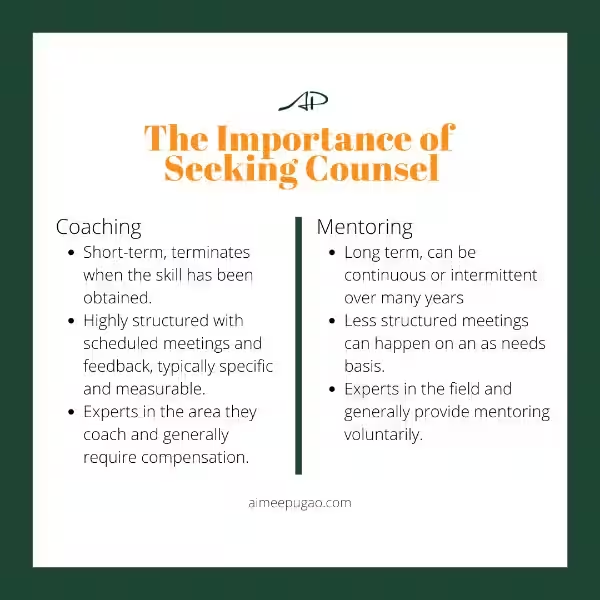
Knowing when and how to seek counsel is a crucial life skill, impacting everything from personal well-being to professional success. Many people hesitate, fearing judgment or believing self-reliance is paramount. However, actively seeking wise guidance is a sign of strength, not weakness, and can significantly improve your life. This article explores the importance of seeking counsel, clarifies the difference between "counsel" and "council," and provides practical steps to find the right support system.
- Understanding the Difference Between "Counsel" and "Council"
- The Power of Seeking Counsel: Why It's Essential
- Finding the Right Counsel: Practical Steps
- The Importance of Offering Counsel
- Conclusion: Embracing the Power of Community and Divine Guidance
-
Seeking Wise Counsel: Frequently Asked Questions
- What does "seeking counsel" mean?
- Why is seeking counsel important?
- When should I seek counsel?
- How do I find the right person to seek counsel from?
- What should I expect when seeking counsel?
- Is seeking counsel a sign of weakness?
- What if I'm hesitant to seek counsel?
- Is it enough to just receive counsel, or should I do something with it?
Understanding the Difference Between "Counsel" and "Council"
Before diving into the benefits of seeking counsel, let's address a common point of confusion: the difference between "counsel" and "council." These two words sound identical, leading to frequent misspellings and misuse.
The key distinction lies in their meanings:
-
Counsel: This word refers to advice, guidance, or a person providing such advice (like a lawyer or therapist). You can counsel someone (verb – to give advice), and receive counsel (noun – the advice itself). A counselor is a professional who provides counsel. The phrase "to keep one's counsel" means to remain silent and keep your thoughts private.
-
Council: This word exclusively functions as a noun, referring to an advisory or governing body. Think city council, student council, or even a council of elders. A member of a council is called a councilor (or councillor). There is no verb form of "council"; using "counciled" is grammatically incorrect.
Remembering that "council" relates to a group and "counsel" relates to advice can be a helpful mnemonic device. However, consulting a dictionary remains the most reliable way to ensure correct usage.
The Power of Seeking Counsel: Why It's Essential
Many people struggle with the idea of seeking help, believing it reveals weakness. However, the Bible consistently emphasizes the importance of seeking wise counsel. Proverbs 11:14, for example, warns against a lack of guidance, stating: "Where there is no counsel, plans fail, but in the multitude of counselors there is success." This verse underscores the value of multiple perspectives and the dangers of navigating life's complexities alone.
Seeking counsel isn't about admitting failure; it's about proactively seeking wisdom and support to make better decisions and overcome challenges. It's about recognizing your limitations and leveraging the strengths of others. Think of it as assembling a skilled team to help you achieve your goals, whether personal or professional. This is particularly true when facing difficult emotional, relational, or spiritual issues.
Identifying When You Need Counsel
Recognizing the need to seek counsel is the first step. Here are some key indicators:
- Prolonged unhappiness or dissatisfaction: If you're consistently feeling unhappy or unfulfilled, it's time to seek perspective.
- Confusion about life situations: When faced with major decisions or overwhelming circumstances, outside input can provide clarity.
- Feelings of doubt, anxiety, or fear: These emotions, when persistent, can indicate a need for support and guidance.
- Strained relationships: When communication breaks down or conflict persists, seeking counsel can help restore harmony.
Don't wait until you're completely overwhelmed. Addressing challenges early on can prevent them from escalating into larger problems.
Finding the Right Counsel: Practical Steps
Finding the right person to seek counsel from is crucial. This individual should offer a safe, non-judgmental space for open communication. They should possess wisdom, experience, and discernment, ideally someone you trust implicitly.
If you're seeking counsel within a Christian context, consider these factors:
- Spiritual maturity: Look for someone who demonstrates a deep faith and understanding of biblical principles.
- Discernment: The ability to distinguish between truth and error is essential in a counselor.
- Empathy and compassion: A counselor should provide support and understanding without minimizing your struggles.
- Confidentiality: Choose someone who will keep your conversations private.
Seeking Counsel and Applying it
Remember that seeking counsel is only half the equation. Actively applying the advice you receive is crucial. This requires humility and a willingness to change your perspective or behavior. Don't simply listen; reflect on the counsel given, and work toward implementing it in your life. This process may involve setting goals, making adjustments, and seeking accountability from your counselor or a supportive friend.
The Importance of Offering Counsel
Just as we need to seek counsel, we also have a responsibility to offer it to others. Building strong Christian communities requires mutual support and encouragement. Consider how you might offer wisdom, prayer, and practical help to those around you who are struggling. This reciprocal act of giving and receiving fosters a strong, supportive network crucial for navigating life's challenges.
Conclusion: Embracing the Power of Community and Divine Guidance
Seeking counsel is not a sign of weakness; it's a pathway to wisdom, growth, and resilience. By actively seeking wise guidance, both giving and receiving, we can build stronger relationships, overcome challenges, and experience the transformative power of God's grace. As we navigate life's complex journey, let us remember the importance of seeking counsel and offering support, relying on the strength found in community and the unwavering guidance of God. May we all be blessed with supportive relationships and the willingness to hear and apply God's truth.
Seeking Wise Counsel: Frequently Asked Questions
What does "seeking counsel" mean?
Seeking counsel refers to the act of actively looking for advice, guidance, and support from a trusted source, especially when facing challenges or difficult decisions. This could involve seeking advice from a mentor, therapist, spiritual advisor, or close friend. The emphasis is on receiving wisdom and perspective to help navigate a situation.
Why is seeking counsel important?
Seeking counsel is important because it provides external perspective and support, crucial for making sound decisions and overcoming obstacles. It acknowledges that we don't have all the answers and that benefiting from another's experience and wisdom can be invaluable. It can help reduce feelings of isolation, anxiety, and fear, and provide practical tools for navigating life's complexities. Biblically, it aligns with the principle of seeking wisdom and multiple perspectives to avoid pitfalls.
When should I seek counsel?
You should consider seeking counsel when you're experiencing prolonged unhappiness, confusion about life situations, or feelings of doubt, anxiety, or fear. If a situation feels overwhelming or you're struggling to find solutions on your own, seeking external guidance can be extremely beneficial. Even if you don't feel you're in crisis, proactively seeking counsel can prevent problems from escalating.
How do I find the right person to seek counsel from?
Finding the right person depends on your needs and the nature of the situation. Look for someone you trust, who possesses wisdom and experience relevant to your concerns. This might be a trusted friend, family member, mentor, therapist, pastor, or spiritual advisor. The key is finding someone who offers a safe, supportive, and non-judgmental environment. Consider their experience, qualifications and if they are a good fit for you.
What should I expect when seeking counsel?
When seeking counsel, expect a listening ear, empathetic understanding, and guidance based on wisdom and experience. A good counselor will help you clarify your thoughts and feelings, explore potential solutions, and develop a plan of action. They may offer practical advice, scriptural guidance (if relevant), and prayerful support. The ultimate goal is to empower you to make informed decisions and overcome the challenges you're facing.
Is seeking counsel a sign of weakness?
Absolutely not. Seeking counsel is a sign of strength and self-awareness. It demonstrates a willingness to learn, grow, and seek help when needed. It acknowledges the limitations of our individual perspectives and the value of collaboration and support. In fact, many successful individuals actively seek counsel throughout their lives.
What if I'm hesitant to seek counsel?
Hesitation is common. Many feel embarrassed or ashamed to admit their struggles. Remember that seeking help is a brave and positive step. Start by confiding in a trusted friend or family member. If you're struggling to identify someone, explore resources that connect individuals with counselors. Overcoming this initial hesitancy is often the most significant step toward receiving the support and guidance you need.
Is it enough to just receive counsel, or should I do something with it?
Receiving counsel is only the first step. The true benefit comes from actively applying the advice and guidance you receive. Reflect thoughtfully on the counsel you've been given. Identify actionable steps you can take, and make a commitment to implementing them. Regular check-ins and accountability can help ensure you stay on track.