
Understanding Bible Speech: A Guide to the Power of Words
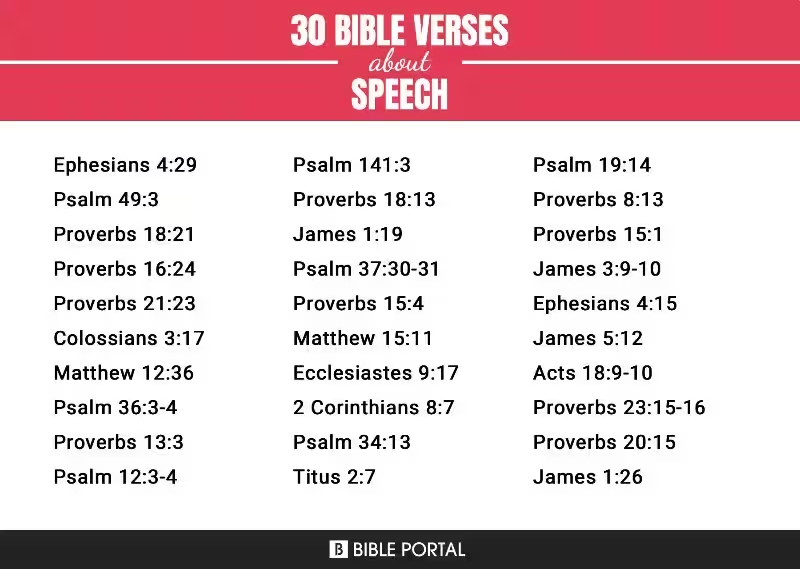
The Bible, a cornerstone of faith for billions, offers profound insights into nearly every aspect of human life. One area frequently addressed, and often overlooked, is the power and responsibility of speech. This article explores the multifaceted teachings within the Bible regarding speech, providing a clear understanding of its impact and the crucial role it plays in our lives.
- The Power and Responsibility of Words
- Constructive Communication: Building Up Rather Than Tearing Down
- The Need for Self-Control and Thoughtfulness in Bible Speech
- Inner Life and Outer Expression: The Heart's Manifestation
- Accountability and Judgment: The Eternal Consequences of Bible Speech
- Conclusion: Embracing the Power and Responsibility of Bible Speech
- Frequently Asked Questions about Biblical Speech
The Power and Responsibility of Words
The Bible consistently underscores the immense power held within our words. They are not merely sounds, but potent forces capable of both creation and destruction. Proverbs 18:21 famously states, "Death and life are in the power of the tongue," emphasizing the far-reaching consequences of our utterances.
This isn't simply hyperbole. Consider the devastating effects of gossip, slander, and hurtful words. These can inflict deep emotional wounds, fracturing relationships and damaging reputations. Conversely, kind words, encouragement, and thoughtful communication have the power to heal, inspire, and foster positive relationships. Think of the life-giving impact of a simple compliment or an empathetic listening ear. The Bible's message is clear: words matter profoundly.
Constructive Communication: Building Up Rather Than Tearing Down
The Bible doesn't just warn against harmful speech; it actively promotes constructive, gracious communication. Ephesians 4:29 encourages us to let only "such as is good for building up, as fits the occasion" come from our mouths. This isn't about being overly positive or avoiding difficult conversations; it's about choosing words intentionally, ensuring they are both truthful and kind.
This requires a level of self-awareness and discernment. We must consider our audience, the context of the conversation, and the potential impact of our words. Honest feedback, for example, can be delivered constructively, avoiding harshness while still conveying truth. The goal is always to build up, to encourage, and to foster positive relationships. This is what the Bible describes as "gracious speech, seasoned with salt"—a blend of truth, kindness, and wisdom.
Practical Application: Cultivating Constructive Speech
How can we practically apply this biblical wisdom in our daily lives?
- Practice active listening: Before speaking, truly listen to understand the other person's perspective.
- Think before you speak: Take a moment to consider the potential impact of your words.
- Choose your words carefully: Select language that is kind, respectful, and appropriate for the situation.
- Focus on building up others: Seek opportunities to offer encouragement, praise, and support.
- Avoid gossip and negativity: Refrain from participating in conversations that spread rumors or tear others down.
The Need for Self-Control and Thoughtfulness in Bible Speech
James 1:19 offers a powerful prescription for healthy communication: "Be quick to hear, slow to speak, slow to anger." This verse highlights the importance of listening carefully before responding, allowing time for reflection and thoughtful consideration. Rushing into a conversation without fully understanding the situation often leads to regrettable words and unnecessary conflict.
Proverbs 10:19 warns, "When words are many, transgression is not lacking." Excessive talk often leads to mistakes and miscommunication. The Bible values thoughtful silence as much as it does purposeful speech. Knowing when to speak and when to remain silent is a crucial aspect of mature communication.
The Value of Silence and Reflection
Silence isn't necessarily about being shy or withdrawn; it's about choosing thoughtful engagement over impulsive reactions. It allows us to process information, consider our response, and ensure our words are well-considered and appropriate. This intentional silence is a critical component of Bible speech.
Inner Life and Outer Expression: The Heart's Manifestation
Luke 6:45 and Matthew 12:34 clearly connect our outward speech with our inner character. The Bible teaches that our words are a reflection of our hearts and minds. Positive speech flows from a healthy, righteous heart, while negative speech betrays inner turmoil, bitterness, or malice.
This underscores the importance of spiritual growth. To cultivate healthy communication, we must first address our inner lives. Self-examination, prayer, and a commitment to personal growth are essential for fostering wholesome speech. Our words are not isolated; they are a direct expression of our inner state.
Accountability and Judgment: The Eternal Consequences of Bible Speech
The Bible consistently emphasizes the accountability that comes with the power of speech. Matthew 12:36 is particularly sobering: "On the day of judgment people will give account for every careless word they speak." This highlights the seriousness of our words, emphasizing that they are not inconsequential. Our words have eternal ramifications.
This isn't about living in fear, but about taking responsibility for our communication. It calls for a commitment to using our words wisely, recognizing the lasting impact they can have on others and ourselves. It is a call to strive for holiness and integrity in all that we say.
Conclusion: Embracing the Power and Responsibility of Bible Speech
The Bible presents a comprehensive view of speech, not merely as a tool for communication but as a reflection of our hearts and a powerful force for good or evil. It calls for self-control, careful consideration, and a commitment to using words constructively and graciously, recognizing the eternal consequences of our speech. By embracing these principles, we can harness the power of our words to build up, encourage, and ultimately reflect the love and grace of God.
Frequently Asked Questions about Biblical Speech
What does the Bible say about the power of speech?
The Bible emphasizes the immense power and responsibility inherent in speech. Proverbs 18:21 famously states, "Death and life are in the power of the tongue...", illustrating that words can have life-giving or destructive consequences. James 3:5-8 uses the analogy of a small fire devastating a large forest to highlight the potential for even seemingly insignificant words to cause widespread harm. Conversely, Proverbs 15:4 and 16:24 celebrate the restorative power of kind and thoughtful communication, likening gentle words to a tree of life and a honeycomb. The Bible consistently portrays words not merely as communication tools, but as reflections of our inner character and powerful forces capable of shaping our world and our relationships.
How should Christians communicate according to the Bible?
The Bible strongly advocates for constructive and gracious communication. Ephesians 4:29 instructs us to let only "such as is good for building up, as fits the occasion" come from our mouths. Colossians 4:6 encourages "gracious" speech "seasoned with salt," implying wisdom and tactfulness in our interactions. This means carefully considering both the context and our audience, ensuring our words are truthful and kind. We are called to build up, not tear down, fostering relationships and community through positive and encouraging communication.
What does the Bible say about self-control in speech?
The Bible repeatedly stresses the importance of self-control and thoughtful reflection before speaking. James 1:19 exhorts us to be "quick to hear, slow to speak, slow to anger," emphasizing the value of listening attentively and considering our responses carefully. Proverbs 10:19 warns that "When words are many, transgression is not lacking," suggesting that excessive talk often leads to mistakes. Proverbs 17:27 and 18:13 also caution against hasty speech, highlighting the importance of knowledge and thoughtful responses. The repeated emphasis on reflection underscores the need for mindful communication, avoiding impulsive or reckless words.
How are inner life and outward speech connected in the Bible?
The Bible clearly links outward speech to inner character. Luke 6:45 and Matthew 12:34 explicitly state that our words reveal the state of our hearts. Positive, wholesome speech flows from a righteous heart, while negative speech reflects inner bitterness or malice. This underscores the importance of spiritual growth and self-examination as prerequisites for wholesome communication. Our words are not merely external expressions; they are windows into our souls, revealing our true selves.
Will I be held accountable for my words?
The Bible unequivocally affirms that we will be held accountable for our words. Matthew 12:36 declares, "on the day of judgment people will give account for every careless word they speak," emphasizing that our words are not inconsequential. This underscores the need to take responsibility for the impact of our words and to strive for holiness in our communication, recognizing the lasting – even eternal – consequences of careless or malicious speech. We are called to use our words wisely and responsibly, understanding their power and potential impact.