
Living Without Hope: Understanding Despair and Finding Pathways Forward
Facing a period of profound despair, feeling utterly without hope, is a human experience as old as time. It’s a state characterized by a pervasive sense of hopelessness, a belief that things will never improve, and a loss of motivation to strive for anything better. This feeling can stem from a variety of sources, from personal tragedies to systemic issues. Understanding the nature of this despair is the first step towards navigating it.
- The Nature of Hopelessness
- Frida Kahlo's "Without Hope": A Visual Representation of Despair
- Identifying the Roots of Hopelessness
- Pathways to Hope: Reclaiming Agency and Finding Meaning
-
Frequently Asked Questions: Frida Kahlo's "Without Hope"
- What is the central theme of Frida Kahlo's painting "Without Hope"?
- What is the significance of the inscription on the canvas?
- How does the visual composition of the painting convey Kahlo's suffering?
- What role does the background play in the painting's overall message?
- How does "Without Hope" transcend a simple depiction of forced feeding?
- What is the overall impact of "Without Hope"?
The Nature of Hopelessness
Hopelessness isn't simply sadness or disappointment; it's a deeper, more pervasive feeling of powerlessness. It's the belief that no matter what you do, the situation won't change. This can lead to feelings of apathy, withdrawal, and even suicidal ideation. It's a state that can feel utterly isolating, as if no one else understands the depth of your suffering.
The experience of feeling without hope can manifest differently in each individual. Some may become withdrawn and isolated, while others may lash out in anger or frustration. Some may struggle with physical symptoms like fatigue, insomnia, or appetite changes. It's crucial to remember that there is no single "right" way to experience hopelessness.
Frida Kahlo's "Without Hope": A Visual Representation of Despair
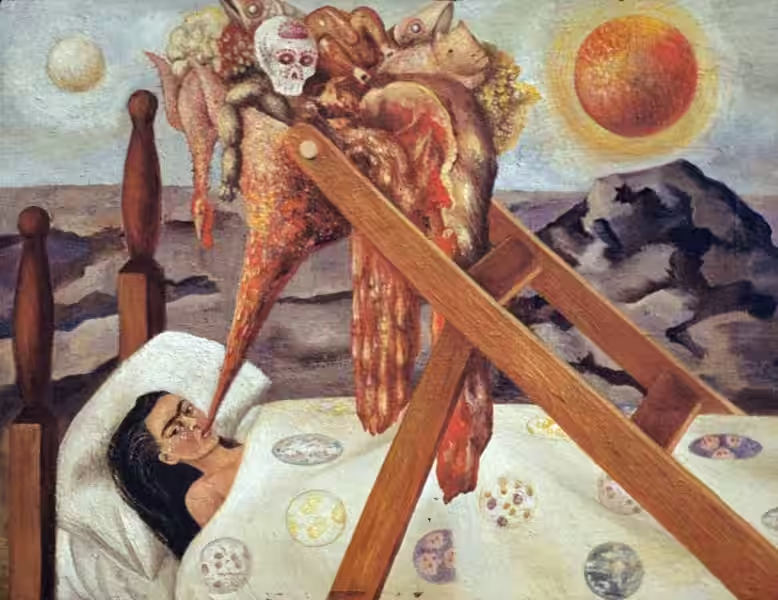
Frida Kahlo's painting, "Without Hope," serves as a powerful visual representation of this emotional state. The painting isn't merely a depiction of physical suffering; it's a visceral expression of the psychological torment associated with prolonged illness, forced medical interventions, and the crushing weight of despair. The inscription on the canvas, "Not the least hope remains to me…Everything move[s] in time with what the belly contains,” encapsulates the artist's sense of utter powerlessness and the dehumanizing nature of her forced feeding.
The symbolic elements within the painting—the disgusting food presented within the very frame that supports her art, her immobilized arms, the desolate landscape—all contribute to a powerful depiction of entrapment and despair. The juxtaposition of sun and moon in the background underscores the ambiguous liminal space between life and death she inhabited. The painting is a stark reminder that even those with immense creative talent and strength can succumb to the overwhelming power of hopelessness.
Identifying the Roots of Hopelessness
Understanding why you feel without hope is a vital step toward overcoming it. The sources of hopelessness are diverse and can include:
- Trauma: Experiences of abuse, neglect, or significant loss can leave lasting emotional scars that contribute to feelings of hopelessness.
- Mental Illness: Conditions like depression and anxiety frequently involve feelings of hopelessness and despair.
- Chronic Illness: Living with a chronic illness can be incredibly challenging, leading to feelings of powerlessness and despair.
- Grief and Loss: The death of a loved one, the end of a relationship, or the loss of a job can trigger profound feelings of hopelessness.
- Social Isolation: Lack of social support and connection can exacerbate feelings of loneliness and hopelessness.
- Financial Difficulties: Struggling financially can create immense stress and contribute to feelings of hopelessness.
Seeking Professional Help
If you’re struggling with persistent feelings of hopelessness, it's crucial to seek professional help. A therapist or counselor can provide you with support, guidance, and tools to cope with your feelings. They can help you identify the underlying causes of your hopelessness and develop strategies to manage it. Don't hesitate to reach out for support; you don't have to face this alone.
Pathways to Hope: Reclaiming Agency and Finding Meaning
While the experience of feeling without hope can be profoundly debilitating, it's important to remember that it's not insurmountable. Even in the darkest of times, there are pathways to hope and pathways forward. These can include:
- Connecting with Others: Building and nurturing supportive relationships with family, friends, or support groups can provide a sense of belonging and reduce feelings of isolation.
- Engaging in Self-Care: Prioritizing self-care activities, such as exercise, healthy eating, and sufficient sleep, can improve your physical and mental well-being.
- Finding Meaning and Purpose: Identifying activities that bring you joy, fulfillment, or a sense of purpose can help restore a sense of meaning in your life.
- Practicing Mindfulness and Gratitude: Mindfulness techniques can help you focus on the present moment, while practicing gratitude can help you appreciate the positive aspects of your life.
- Seeking Spiritual or Religious Support: Connecting with a spiritual community or faith can provide comfort, support, and a sense of hope.
Cultivating Resilience
Developing resilience—the ability to bounce back from adversity—is crucial for navigating life's inevitable challenges. This involves building coping mechanisms, developing problem-solving skills, and maintaining a positive outlook. Remember that even in the darkest of times, there is always hope for the future.
The journey out of hopelessness is rarely linear. There will be setbacks and challenges along the way. But by understanding the nature of despair, identifying its roots, and actively seeking support and strategies for coping, you can begin to reclaim your agency and find pathways towards hope. Remember, you are not alone.
Frequently Asked Questions: Frida Kahlo's "Without Hope"
What is the central theme of Frida Kahlo's painting "Without Hope"?
The central theme of "Without Hope" is the debilitating impact of forced medical treatment and the resulting profound sense of hopelessness experienced by Kahlo during a period of intense illness. The painting powerfully depicts the dehumanizing effects of forced feeding and the artist's complete loss of control over her own body and recovery.
What is the significance of the inscription on the canvas?
The inscription, "Not the least hope remains to me…Everything move[s] in time with what the belly contains,” is crucial. It directly expresses Kahlo's despair and links her physical state (forced feeding) to her emotional state (hopelessness). The phrase highlights the complete lack of agency she experienced in her treatment.
How does the visual composition of the painting convey Kahlo's suffering?
The painting's composition masterfully conveys Kahlo's suffering. The "disgusting food," described as containing elements like animal parts and skulls, is presented within the wooden frame that supports her canvases. This jarring juxtaposition transforms a tool of artistic creation into a cage, symbolizing her physical and metaphorical imprisonment. Her pinned-down arms further emphasize her helplessness. The desolate landscape in the background, illuminated by both sun and moon, reinforces the feeling of being trapped in a liminal space between life and death.
What role does the background play in the painting's overall message?
The barren Mexican landscape, bathed in the light of both the sun and moon, symbolizes a liminal state—a space between life and death, day and night. This ambiguous setting reflects the agonizing reality of Kahlo's situation and mirrors the emptiness she felt, both physically (due to malnutrition) and emotionally (due to lack of control). The juxtaposition of sun and moon does not offer solace; instead, it amplifies her despair.
How does "Without Hope" transcend a simple depiction of forced feeding?
"Without Hope" is more than a depiction of forced feeding; it's a potent expression of vulnerability, loss of control, and the crushing weight of illness. The painting’s power lies in its raw honesty, revealing not only Kahlo's physical suffering but also the profound psychological impact of her enforced treatment and the utter despair she felt. It's a testament to her resilience, even as it powerfully portrays the depths of her suffering.
What is the overall impact of "Without Hope"?
The painting serves as a powerful self-portrait, offering a visceral and deeply personal insight into Kahlo's experience of illness and enforced medical treatment. It's a poignant testament to both the artist's resilience and the devastating impact of unchecked suffering and loss of agency. Its raw honesty continues to resonate with viewers, prompting reflection on the complexities of illness, pain, and the human spirit.