
Undoing Ruin: How Darkest Hour's Fourth Album Redefined Their Career
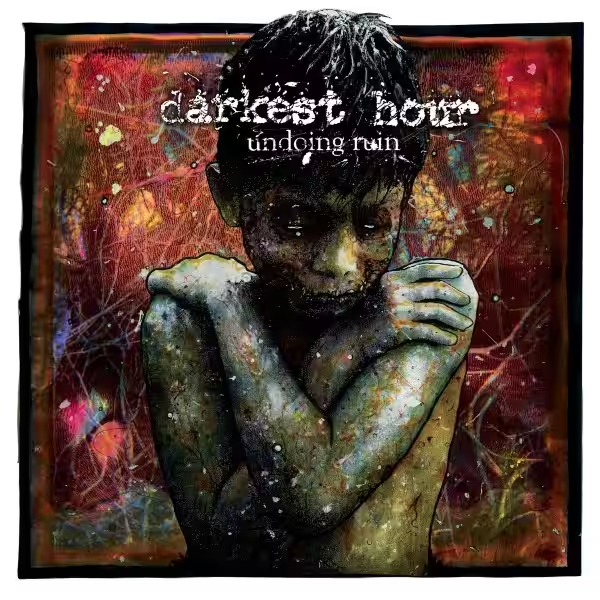
Darkest Hour's Undoing Ruin, released on June 28, 2005, wasn't just another metal album; it was a watershed moment, a turning point that propelled the band from the underground to a wider audience. The album's significance lies not only in its commercial success but also in its artistic evolution and lasting impact on the band's legacy. Understanding its impact requires exploring its musical characteristics, commercial breakthrough, and enduring influence within the metal community.
- A Melodic Death Metal Masterpiece
- Chart Success and Critical Acclaim
- A Legacy of Enduring Influence
-
Undoing Ruin: More Than Just an Album
- When was *Undoing Ruin* released?
- What is the significance of *Undoing Ruin* in Darkest Hour's career?
- What kind of music is on *Undoing Ruin*?
- What is the album's runtime?
- Are there any particularly notable tracks on the album?
- How has *Undoing Ruin* endured over time?
- Why is *Undoing Ruin* considered so important to Darkest Hour?
A Melodic Death Metal Masterpiece
Undoing Ruin showcases Darkest Hour's masterful blend of melodic death metal and metalcore, a sound they had been meticulously crafting in their previous releases. The album's 37:48 runtime is a testament to this diversity, encompassing a compelling mix of song lengths and intensities. This dynamic approach prevents listener fatigue, keeping the energy high throughout.
The album isn't just about raw power; it's about carefully constructed dynamics. Short, sharp tracks like "Pathos" (1:34) and "Ethos" (1:21) act as explosive bursts of energy, punctuating the longer, more complex pieces. These shorter songs contrast effectively with the more intricate compositions, such as "With a Thousand Words to Say But One" (4:22), creating a captivating listening journey. The epic closer, "Tranquil" (6:22), provides a satisfying and melancholic conclusion, leaving a lasting impression. This careful arrangement of song lengths and intensities exemplifies the band's thoughtful approach to songwriting.
Chart Success and Critical Acclaim
The album's impact extended far beyond the band's existing fanbase. Undoing Ruin marked Darkest Hour's first appearance on the Billboard 200 chart, debuting at 138. This significant commercial success wasn't accidental. The lead single, "Convalescence," received substantial airplay on MTV2's Headbangers Ball, a crucial platform for exposure within the metal community. The music video for "Convalescence", with its powerful imagery and intense performance, further cemented the song's place as a metal anthem. This combination of radio play and music video exposure significantly broadened Darkest Hour's reach, introducing them to a much larger audience than ever before. The album's success wasn't just a matter of luck; it was the culmination of years of hard work, musical development, and a well-executed marketing strategy.
A Legacy of Enduring Influence
The enduring legacy of Undoing Ruin is a testament to its quality and impact. Ten years after its release, in 2015, Darkest Hour celebrated the album's anniversary with a live performance of the entire album. This performance was captured on a limited-edition DVD, 'Party Scars and Prison Bars Two and a Half: Live,' bundled with pre-orders of their subsequent album, Godless Prophets & the Migrant Flora. The fact that only 1100 copies of this DVD were produced highlights the dedicated fanbase that Undoing Ruin cultivated. This limited release underscores the album's special place in Darkest Hour's discography and the band's appreciation for their loyal following. The decision to document this anniversary performance emphasizes the album's lasting significance, solidifying its status as a pivotal moment in the band's history.
Undoing Ruin: More Than Just an Album
In conclusion, Undoing Ruin transcends its status as a mere collection of songs. It represents a pivotal moment in Darkest Hour's career, marking their transition from underground darlings to a band with broader recognition. The album's commercial success, the impact of "Convalescence," and the tenth-anniversary live performance all contribute to its enduring relevance. It stands as a key work in their catalog, a testament to their musical evolution, and a defining moment in their journey towards solidifying their position within the melodic death metal/metalcore scene. Undoing Ruin is a landmark album that continues to resonate with fans and influence musicians years after its release.
Here's an FAQ section about Darkest Hour's Undoing Ruin, based on the provided information:
When was *Undoing Ruin* released?
Undoing Ruin, Darkest Hour's fourth studio album, was released on June 28, 2005.
What is the significance of *Undoing Ruin* in Darkest Hour's career?
Undoing Ruin marks a major turning point for Darkest Hour. It was their first album to chart on the Billboard 200, debuting at #138. This success is largely attributed to the lead single, "Convalescence," which received significant airplay on MTV2's Headbangers Ball, expanding the band's reach within the metal community. The album also solidified their unique blend of melodic death metal and metalcore.
What kind of music is on *Undoing Ruin*?
The album showcases Darkest Hour's signature style: a compelling fusion of melodic death metal and metalcore. The album features a dynamic range of song lengths and intensities, offering a diverse listening experience.
What is the album's runtime?
Undoing Ruin has a total runtime of 37 minutes and 48 seconds.
Are there any particularly notable tracks on the album?
While the album is cohesive, some tracks stand out. Shorter, intense tracks like "Pathos" and "Ethos" contrast with longer, more complex songs such as "With a Thousand Words to Say But One" and the epic closer, "Tranquil." "Convalescence" is notable for its contribution to the album's commercial success.
How has *Undoing Ruin* endured over time?
The album's lasting legacy is evident in its 10th-anniversary celebration in 2015. A live performance of the entire album was recorded and released on a limited-edition DVD ('Party Scars and Prison Bars Two and a Half: Live') bundled with pre-orders of their subsequent album, Godless Prophets & the Migrant Flora. The limited release of only 1100 copies highlights the album's dedicated fanbase and its status as a pivotal moment in Darkest Hour's discography.
Why is *Undoing Ruin* considered so important to Darkest Hour?
Undoing Ruin is more than just a successful album; it represents a turning point in Darkest Hour's career. It achieved significant commercial success, broadened their fanbase through the popularity of "Convalescence," and has continued to resonate with fans, as evidenced by the later live album release. It's a key work in their catalog, showcasing a significant step towards broader recognition and solidifying their position in the melodic death metal/metalcore scene.