
Understanding Sin, Suicide, and the Path to Healing
Suicide is a complex issue, often shrouded in stigma and misunderstanding. It's a tragedy that touches countless lives, leaving behind a wake of grief and unanswered questions. For many, particularly those with religious backgrounds, the question of whether suicide constitutes a "sin" adds another layer of complexity to an already agonizing situation. This article aims to explore this sensitive topic with compassion and understanding, separating fact from judgment and highlighting avenues for support.
The Weight of Sin and Suicide: A Theological Perspective
The concept of suicide as a "sin" often stems from religious interpretations that emphasize the sanctity of life. The belief that life is a gift from God, and therefore taking one's own life is defying God's will, is prevalent in many faiths. This perspective can lead to intense feelings of guilt and shame for those who have lost loved ones to suicide, or even for individuals struggling with suicidal thoughts themselves.
However, it's crucial to remember that religious texts offer diverse interpretations and do not uniformly condemn suicide as an unforgivable sin. The focus should be on extending compassion and understanding to those struggling, rather than adding to their burden with judgment. Many theologians and religious leaders are increasingly emphasizing empathy and support for those battling suicidal ideation, recognizing the profound suffering that can lead someone to such a drastic measure. The focus shifts from condemnation to finding pathways to healing and offering support.
Beyond Religious Doctrine: The Reality of Suicide
Beyond religious interpretations, the reality of suicide is rooted in mental health challenges. Suicidal thoughts are often a symptom of underlying conditions such as depression, anxiety, bipolar disorder, and PTSD. These conditions can significantly impair a person's ability to think clearly and rationally, making the act of suicide appear as a seemingly logical, albeit tragic, solution to unbearable pain.
It's important to understand that suicide is never a simple act of self-destruction. It's a complex interplay of biological, psychological, and social factors, often stemming from prolonged suffering and a sense of hopelessness. It's crucial to avoid simplistic explanations and instead focus on providing support and understanding to those struggling with these conditions.
The Role of Support Systems: Preventing Sin Suicide
The Parents Anonymous® program, mentioned earlier, exemplifies how targeted intervention can significantly impact family well-being and reduce the risk factors contributing to child maltreatment. While not directly addressing suicide, its success in fostering stable and supportive family environments is crucial in preventing the development of conditions that can lead to suicidal ideation. A strong support system, including family, friends, and professional help, is essential in mitigating the risk of suicide.
By creating environments where individuals feel safe, understood, and valued, we can significantly reduce the likelihood of suicidal thoughts. This includes providing access to mental health services, promoting open discussions about mental health, and reducing the stigma surrounding seeking help. Early intervention and access to professional support are vital.
Recognizing the Signs and Seeking Help
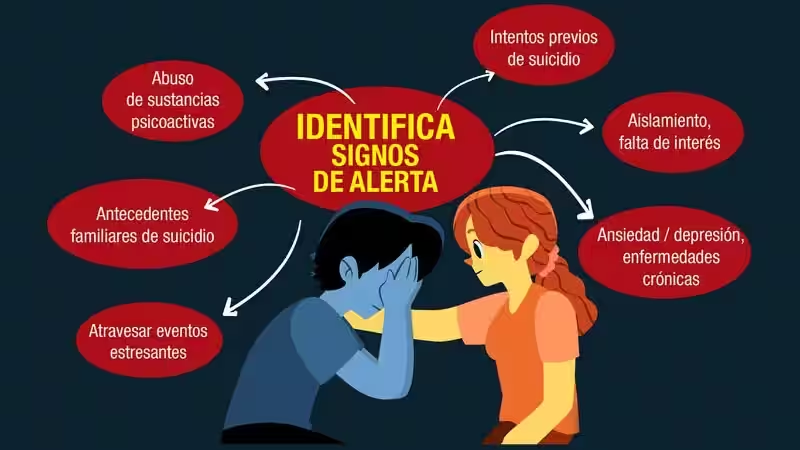
Recognizing the signs of suicidal ideation is crucial. These signs can be subtle or overt and may include:
- Talking about death or suicide
- Expressing feelings of hopelessness or worthlessness
- Withdrawing from social activities
- Changes in sleep or appetite
- Increased substance use
- Giving away prized possessions
If you or someone you know is exhibiting these signs, seeking professional help is essential. There are many resources available, including crisis hotlines, mental health professionals, and support groups. Don't hesitate to reach out; help is available.
Finding Hope and Healing: The Path Forward
While the question of "sin suicide" remains a complex theological debate, the focus should remain on providing compassion, support, and effective intervention for those struggling with suicidal thoughts. By acknowledging the multifaceted nature of suicide— encompassing mental health challenges, societal pressures, and personal struggles—we can move towards a more understanding and supportive approach. Remember, help is available, and recovery is possible. Reaching out is a sign of strength, not weakness. Prioritizing mental health and building strong support systems are crucial steps in preventing tragedies and fostering a society where everyone feels valued and supported.
The provided text focuses on the success of the Parents Anonymous® program in preventing child maltreatment, not on suicide or its theological implications. Therefore, I cannot create an FAQ section about sin and suicide based on this information. The text about biblical figures and suicide is also missing. To create the requested FAQ section, please provide the text about sin and suicide you mentioned.