
Unveiling Temple Zero: Melchizedek, Abraham, and the Mysteries of Jerusalem
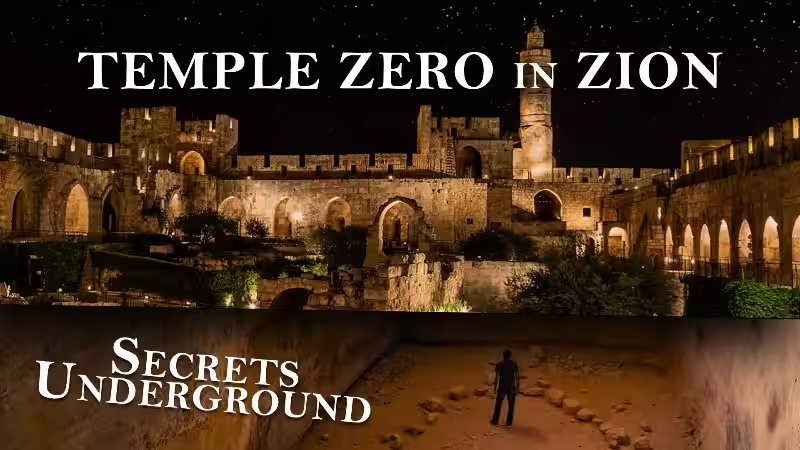
The discovery of "Temple Zero" in Jerusalem's City of David has ignited a firestorm of debate among archaeologists and biblical scholars. This intriguing rock-carved structure, unearthed in 2010, is proposed by Israeli archaeologist Eli Shukron to be the long-lost temple of Melchizedek, the enigmatic priest-king mentioned in Genesis 14. Its significance extends far beyond its archaeological context, potentially linking several pivotal figures in biblical history and offering a fresh perspective on ancient religious practices.
- The Structure of Temple Zero and its Proposed Significance
- The Significance of Standing Stones in Ancient Israelite Worship
- Melchizedek: A Pre-Incarnate Appearance of Christ?
- Connecting the Dots: A Continuous Spiritual Heritage
-
Temple Zero FAQ
- What is Temple Zero?
- Who was Melchizedek?
- What is the significance of the standing stone in Temple Zero?
- How does Temple Zero relate to Abraham?
- What is the connection between Temple Zero and Jesus Christ?
- What are the unresolved mysteries surrounding Temple Zero?
- Is the identification of Temple Zero as Melchizedek's temple universally accepted?
- What is the broader significance of Temple Zero?
The Structure of Temple Zero and its Proposed Significance
Temple Zero's central feature is a large standing stone, positioned atop twelve smaller stones, within a complex network of chambers. This arrangement is far from simple, hinting at a carefully planned and symbolically rich design. The sheer precision of its construction suggests a significant amount of time and effort was invested in its creation, emphasizing its importance to those who built it.
The hypothesis that this site represents the location where Abraham offered tithes to Melchizedek, as detailed in Genesis 14:18-19, is central to Shukron's interpretation. This connection elevates Temple Zero beyond a mere archaeological find, transforming it into a potential focal point of a pivotal event in biblical history. The layout and the positioning of the stones themselves are key aspects of the interpretation, and further research is needed to fully understand their significance.
The Significance of Standing Stones in Ancient Israelite Worship
Standing stones played a prominent role in ancient Israelite religious practices. These weren't merely random rocks; they held deep symbolic meaning, often marking sacred locations or commemorating significant covenants. We see this in the biblical accounts of Jacob erecting a pillar at Bethel (Genesis 28:18), Moses setting up twelve stones at the crossing of the Jordan (Joshua 4:20), and Joshua's erection of a stone monument at Shechem (Joshua 24:26).
These examples highlight the usage of standing stones in covenant-making ceremonies and the commemoration of pivotal divine encounters. However, the use of these stones later declined, as they became associated with idolatrous practices. The presence of a central standing stone in Temple Zero, therefore, places it within this broader historical and religious context; it connects it to a long tradition, while simultaneously highlighting a deliberate break from practices that were later deemed unacceptable. This understanding is crucial for correctly contextualizing its significance.
Melchizedek: A Pre-Incarnate Appearance of Christ?
A significant aspect of the interpretation of Temple Zero centers on the figure of Melchizedek. Many biblical scholars view Melchizedek not merely as a priest-king, but as a pre-incarnate manifestation of Christ—a Christophany. This interpretation stems from Melchizedek's mysterious nature: he lacks a genealogy, a beginning, or an end—characteristics that strikingly parallel those attributed to Jesus Christ in the Book of Hebrews.
The Epistle to the Hebrews explicitly draws a parallel between Melchizedek and Jesus, establishing Jesus as the High Priest "in the order of Melchizedek" (Hebrews 7:17). This parallel reinforces the notion of Christ's pervasive presence throughout the Old Testament, consistent with the understanding of Jesus as Creator and the pre-existent Son of God. This theological interpretation adds layers of significance to the potential identification of Temple Zero as Melchizedek's temple. The parallels are striking and fuel the ongoing debate surrounding its significance.
Unresolved Mysteries and Future Research
Beyond the central standing stone, Temple Zero holds further mysteries. Unidentified carvings on the temple floor remain enigmatic, potentially representing the footings of a sacrificial stand, a blood drainage system, or something far more profound and as yet undeciphered. These unanswered questions fuel speculation and highlight the need for further detailed archaeological investigation and analysis.
The meaning and function of these carvings are a crucial area for future research. Their decipherment could profoundly impact our understanding of the temple's purpose and significance providing even more insight into the religious practices of the time. The potential for new discoveries adds to the intrigue surrounding this remarkable find.
Connecting the Dots: A Continuous Spiritual Heritage
The proposed identification of Temple Zero as Melchizedek's temple offers a compelling link between several key figures in biblical history: Abraham, Melchizedek, King David (given the location in the City of David), and Jesus Christ. It suggests a continuous spiritual heritage stretching back millennia, connecting events and figures across vast swathes of time.
This interpretation is not without its critics, and further research and investigation are needed to validate the hypotheses. However, the potential for such a connection provides a fascinating lens through which to examine ancient religious practices and the enduring significance of Melchizedek within Christian theology. The discovery, while debated, undeniably provides a rich field for both archaeological and theological exploration. The unresolved mysteries of Temple Zero's carvings only further intensify the intrigue surrounding this significant discovery. The potential implications of confirming such a link are profound, reshaping our understanding of biblical history and potentially offering critical insight into the continuity of religious practice through the ages. The story of Temple Zero is far from over; it is a story that continues to unfold, revealing more of its secrets with each new discovery.
Temple Zero FAQ
What is Temple Zero?
Temple Zero is a rock-carved structure discovered in Jerusalem's City of David in 2010. Israeli archaeologist Eli Shukron proposes that it is the long-lost temple of Melchizedek, the enigmatic priest-king mentioned in the Book of Genesis. The temple features a large central standing stone atop twelve smaller stones, situated within a complex of chambers.
Who was Melchizedek?
Melchizedek is a mysterious figure mentioned in Genesis 14 as King of Salem and priest of El Elyon (the Most High God). He blessed Abraham and received tithes from him. Some biblical scholars interpret Melchizedek as a pre-incarnate appearance of Christ (a Christophany) due to his unique characteristics: lacking a genealogy, beginning, or end, and his role as both king and priest—characteristics paralleled with Jesus Christ in the Book of Hebrews.
What is the significance of the standing stone in Temple Zero?
Standing stones played a significant role in ancient Israelite worship, symbolizing covenant-making and commemorating important events. While initially used in religious practices, they were later banned due to their association with idolatry. The central standing stone in Temple Zero, therefore, connects the structure to a broader historical and religious context within ancient Israelite traditions and potentially links it to the practices of Abraham and other patriarchs.
How does Temple Zero relate to Abraham?
Shukron hypothesizes that Temple Zero is the location where Abraham offered tithes to Melchizedek, as described in Genesis 14:18-19. This connection links Temple Zero to a pivotal moment in biblical history and establishes a potential continuity of sacred tradition.
What is the connection between Temple Zero and Jesus Christ?
The Book of Hebrews draws a parallel between Melchizedek and Jesus Christ, establishing Jesus as the High Priest in the order of Melchizedek. If Temple Zero is indeed Melchizedek's temple, it strengthens the idea of Christ's pervasive presence throughout the Old Testament and reinforces the understanding of Christ as Creator. The similarities between Melchizedek and Jesus further support the theological interpretation of Melchizedek as a Christophany.
What are the unresolved mysteries surrounding Temple Zero?
Unidentified carvings on the temple floor remain enigmatic. They may represent the footings of a sacrificial stand, a blood drainage system, or possess a deeper, yet-undeciphered meaning. Further research is needed to understand their significance.
Is the identification of Temple Zero as Melchizedek's temple universally accepted?
No, the identification of Temple Zero as Melchizedek's temple is a significant hypothesis proposed by Shukron and is still debated among archaeologists and biblical scholars. Further research and analysis are required to confirm or refute this interpretation.
What is the broader significance of Temple Zero?
The proposed identification of Temple Zero as Melchizedek's temple offers a compelling link between several key figures in biblical history – Abraham, Melchizedek, King David, and Jesus Christ – suggesting a continuous spiritual heritage stretching back millennia. The discovery provides a fascinating lens through which to re-examine ancient religious practices and the enduring significance of Melchizedek within Christian theology.