
The Chest of Joash: A Study in Faith, Finance, and Faithful Giving
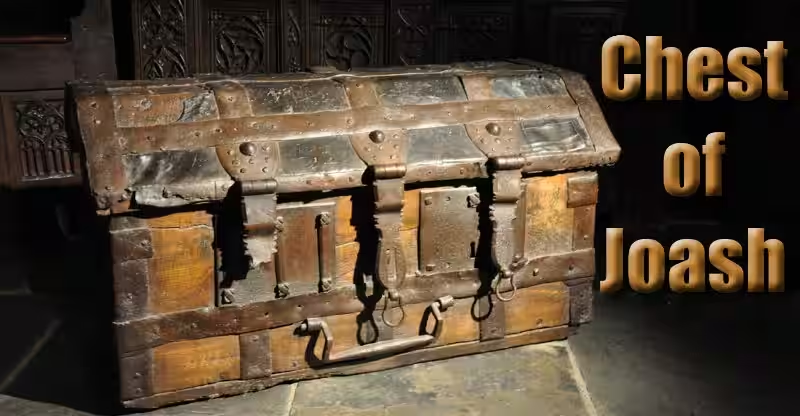
The story of the Chest of Joash, as detailed in 2 Kings 12, offers a compelling narrative about effective leadership, faithful giving, and the crucial role of responsible stewardship in maintaining God's work. It's a story that resonates even today, prompting us to consider how we manage our resources and contribute to the causes we believe in. But what can we learn from this ancient example, and how can it inform our modern practices?
- King Joash's Vision: Repairing the Neglected Temple
- The Ingenious Solution: A Chest for Contributions
- The People's Response: A Testament to Collective Faith
- The Success of the Project: A Symbol of Faithful Giving
- Lessons for Modern Churches and Organizations
- Frequently Asked Questions about the Chest of Joash
King Joash's Vision: Repairing the Neglected Temple
King Joash inherited a kingdom with a neglected temple. The building, a sacred space dedicated to God, was in disrepair. This wasn't simply a matter of aesthetics; it represented a spiritual deficit. The state of the temple mirrored the spiritual state of the nation.
Joash, however, recognized the significance of this issue. He didn't shy away from the challenge; instead, he took decisive action. His initiative wasn't merely a knee-jerk reaction to a deteriorating structure; it was a conscious and proactive demonstration of his commitment to God and his people. This demonstrates a leadership quality vital for any endeavor where resources are needed, whether it's maintenance or expansion.
The Ingenious Solution: A Chest for Contributions
Faced with the monumental task of restoring the temple, Joash devised an innovative solution: the chest of Joash. This wasn't just any container; it was a strategically placed receptacle at the temple gate, designed specifically to collect contributions for the repairs.
This simple yet effective solution addressed several crucial aspects. Firstly, it created a transparent and accessible system for donations. The chest was visible to all, fostering accountability and encouraging participation. Secondly, it removed the potential for misuse of funds by temple officials. Contributions went directly towards the designated project, significantly mitigating the risk of embezzlement or misappropriation. Thus, this system provided checks and balances to ensure that funds were put to their intended use.
The People's Response: A Testament to Collective Faith
The remarkable aspect of this story isn't just Joash's leadership, but the people's enthusiastic response. They understood the importance of their collective contribution and wholeheartedly participated in the fundraising effort.
Their generosity wasn't forced or grudging; it stemmed from a deep-seated understanding of their responsibility to support God's work. This echoes the Old Testament principles of tithing and the broader concept of generous giving, highlighting the spiritual connection between worship and material support. The people's abundant contributions highlight the power of collective faith. Their actions demonstrated a profound understanding of the spiritual significance of supporting the temple's restoration.
The Success of the Project: A Symbol of Faithful Giving
The funds collected through the chest of Joash were meticulously managed and effectively utilized. Skilled craftsmen were hired, and the temple was restored to its former glory.
This wasn't merely about physical repair; it was a spiritual restoration as well. The renewed temple became a symbol of the nation's renewed commitment to God. This exemplifies responsible stewardship of resources—a key lesson applicable to modern church finances and all forms of charitable giving. The story underscores that responsible financial management is as crucial as generous giving.
Lessons for Modern Churches and Organizations
The story of the chest of Joash offers many practical lessons for modern churches and organizations. The transparent system established for donations, the emphasis on responsible stewardship, and the commitment of both leadership and people all contribute to a model of effective fundraising and resource management that remains relevant today.
Here are some key takeaways:
- Transparency is key: Open and accessible financial practices build trust and encourage participation.
- Clear goals and accountability: Defining specific objectives and establishing systems to ensure funds are used appropriately are essential.
- Collective responsibility: Encouraging participation from all members fosters a sense of shared ownership and commitment.
- Responsible stewardship: Careful management of resources ensures that donations are used effectively and efficiently.
The chest of Joash serves as a timeless reminder of the power of faith, the importance of collective action, and the enduring need for responsible stewardship in supporting God's work. It’s a story that challenges us to examine our own contributions and consider how we can emulate the faith and generosity demonstrated by the people of Judah during the reign of King Joash.
Frequently Asked Questions about the Chest of Joash
What was the Chest of Joash?
The Chest of Joash, as described in 2 Kings 12 (and alluded to in 2 Chronicles 24), was a chest placed at the gate of the temple in Jerusalem. King Joash commissioned it as a designated receptacle for collecting contributions to fund the repair of the neglected temple. This innovative approach ensured transparency and accountability in the management of funds dedicated to God's work.
Why was the Chest of Joash necessary?
The temple was in disrepair due to years of neglect. The existing system for managing temple funds had likely been susceptible to misuse or mismanagement. King Joash's initiative, using the chest, provided a structured and transparent way to collect and manage funds specifically for repairs, bypassing potential corruption. It also fostered a sense of collective responsibility among the people.
How did the people respond to the initiative?
The people responded with remarkable unity and enthusiasm. They generously contributed to the repair fund until all had given, demonstrating a collective commitment to the project and a heartfelt understanding of their responsibility to support God's work. Their participation wasn’t forced but joyfully undertaken, showcasing cheerful obedience to God’s call.
What was the outcome of the fundraising effort?
The fundraising effort was remarkably successful. Sufficient funds were raised to completely repair the temple, employing skilled craftsmen and restoring the temple to its former glory. Any remaining funds were used to create additional articles for worship, demonstrating a long-term commitment to maintaining the temple and its services.
What is the significance of the Chest of Joash for modern churches?
The story of the Chest of Joash offers several important lessons for modern churches. It highlights the importance of:
- Transparent financial management: Clearly defined systems for collecting and utilizing funds dedicated to church upkeep, maintenance, or missions are crucial to build trust and accountability.
- Collective responsibility: Congregational involvement in supporting the church's upkeep, not just relying on a few individuals, is paramount.
- Faithful giving: Giving should be viewed as an act of worship, not merely an obligation, reflecting a genuine commitment to God’s work.
- Responsible stewardship: Careful management of resources ensures that donations are used effectively and efficiently for their intended purposes.
The Chest of Joash serves as a powerful symbol of consistent, faithful giving and the ongoing need for support in maintaining God's house. It is a reminder that responsible stewardship of resources is essential for fulfilling God's purposes.