
When Prophets Arise: Understanding the Prophetic Voice in Today's World
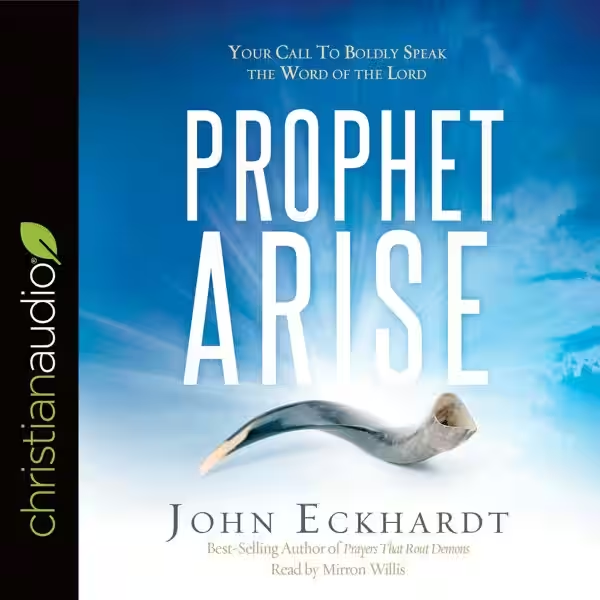
The question many ponder is: how do we recognize and understand the prophetic voice in our time? While some may dismiss prophecy as outdated or irrelevant, its presence remains a vital element in both religious and secular contexts. The concept of "prophets arise" isn't merely a biblical phrase; it's a recurring theme throughout history, reflecting humanity's persistent need for guidance, insight, and a challenge to the status quo. This article will explore the characteristics, challenges, and importance of prophetic voices today.
Recognizing the Prophetic Voice: Beyond Prediction
The image of a prophet often conjures up visions of dramatic pronouncements and future predictions. While prophecy can include foretelling events, its essence lies deeper. True prophecy transcends mere prediction; it's a divinely inspired message that speaks truth to power, challenges complacency, and offers guidance for navigating complex situations.
Prophetic ministry isn't limited to a select few; rather, it's a gift that is potentially accessible to all believers. The ability to discern and interpret the will of God, to offer insightful guidance, and to challenge societal norms are all aspects of the prophetic gift. It's important to remember that prophets arise not only in grand pronouncements from spiritual leaders but also in the quiet whispers of conscience, the courageous acts of justice, and the persistent pursuit of truth.
Key Characteristics of a True Prophet
Several characteristics typically define a true prophet:
- A deep connection with the divine: This is the foundational element. A true prophet has a profound relationship with God, characterized by prayer, devotion, and a sensitivity to the Spirit's guidance.
- A commitment to truth and justice: Prophets often challenge the status quo, calling out injustice and hypocrisy wherever they find it. They are not afraid to speak truth to power, even when it is unpopular.
- Humility and self-awareness: True prophets recognize their limitations and are open to correction. They understand they are instruments of God, not self-proclaimed authorities.
- Integrity and accountability: The words and actions of a true prophet are consistent with their message. They live authentically and are accountable for their actions.
The Challenges Faced by Prophets
The path of a prophet is seldom easy. Throughout history, prophets have faced opposition, persecution, and misunderstanding. When prophets arise, they often encounter resistance from those who benefit from the status quo or who fear change.
This opposition can take many forms, from subtle resistance to outright persecution. Prophets may face ridicule, rejection, isolation, and even physical harm. It's crucial for potential prophets to understand these challenges and develop strategies for coping with them.
Overcoming Obstacles on the Prophetic Journey
Overcoming these obstacles requires:
- Spiritual discipline: Maintaining a strong prayer life, studying Scripture, and seeking spiritual guidance are essential for maintaining strength and clarity.
- Community support: Surrounding oneself with a supportive community of believers who share a similar calling is vital for encouragement and accountability.
- Resilience and perseverance: The path of a prophet is often arduous, requiring the ability to bounce back from setbacks and to persevere in the face of adversity.
- Discernment and wisdom: The ability to discern truth from falsehood and to navigate complex situations with wisdom is crucial.
The Importance of Prophets in Today's World
In a world grappling with complex issues such as social injustice, environmental degradation, and political polarization, the prophetic voice is more crucial than ever. When prophets arise, they offer a vital counterpoint to the prevailing narratives, providing fresh perspectives and challenging us to examine our values and beliefs.
Prophets challenge us to consider alternative solutions to the problems facing our world. When prophets arise, they remind us of our shared humanity and call us to strive for a more just and compassionate society. Their words, even when challenging, can serve as a catalyst for positive change, inspiring action and encouraging hope.
The Modern Prophet's Role
The role of the prophet in the modern world might look different than in biblical times, but the core function remains the same: to reveal God's truth and call for positive change. This includes:
- Challenging injustice and inequality: Speaking out against systemic oppression and advocating for the marginalized and vulnerable.
- Promoting peace and reconciliation: Working towards bridging divides and fostering understanding between different groups.
- Protecting the environment: Advocating for environmental justice and sustainability.
- Inspiring hope and encouraging action: Offering hope in challenging times and motivating people to actively participate in positive change.
In conclusion, understanding the concept of "prophets arise" requires acknowledging the multifaceted nature of prophecy. It's not simply about predicting the future; it's about speaking truth to power, offering guidance, and challenging us to live more authentically and justly. In today's world, the prophetic voice is more important than ever, reminding us of our shared humanity and inspiring us to strive for a better future. As we discern and embrace these voices, we move towards a more just and compassionate society.
Frequently Asked Questions about the Arising of Prophets
What is a prophet?
A prophet is an individual called by God to communicate His messages and will to others. This communication can take many forms, including speaking, writing, acting, or even through dreams and visions. Prophets often act as interpreters of God's will, offering guidance and direction to individuals, communities, and nations. Their role is not simply to predict the future, but to speak truth and call people to repentance and obedience to God.
How does God call someone to be a prophet?
The calling to prophetic ministry is a deeply personal and often transformative experience. There's no single method; God works uniquely with each individual. The call may involve a direct encounter, a series of events leading to a clear understanding of God's purpose, or a gradual unfolding of spiritual gifts and responsibilities. Often, it includes a sense of divine urgency and a deep conviction about the importance of the message being shared.
What are the characteristics of a true prophet?
True prophets are characterized by a deep love for God and a commitment to truth. They possess spiritual discernment, enabling them to understand God's will and communicate it accurately. Humility, integrity, and a willingness to serve others are also essential qualities. Furthermore, they exhibit a life of prayer and dependence on God's guidance. It is crucial to note that not all who claim to be prophets are truly called by God; discernment is vital in distinguishing true from false prophets.
What are the challenges faced by prophets?
Prophets often face significant challenges, including opposition, persecution, misunderstanding, and personal struggles. They may experience spiritual attacks, social isolation, and emotional exhaustion. It's important to remember that God equips his prophets to overcome these difficulties, offering strength, guidance, and community support.
How can I discern whether someone is a true prophet?
Discerning a true prophet requires careful consideration of several factors. Does their message align with scripture and the character of God? Do they exhibit the fruits of the Spirit (love, joy, peace, patience, kindness, goodness, faithfulness, gentleness, and self-control)? Do they live a life of integrity and accountability? Finally, prayerful seeking of God's guidance is crucial in making this important determination. Seek counsel from mature spiritual leaders within your community.
Are there different types of prophets?
Yes, the prophetic role isn't limited to a single type. God calls people from all walks of life, including women, men, young people, and those from various backgrounds. The specific gifting and role of each prophet may vary, but the essential message remains consistent – to speak God's truth and guide people towards Him.
What is the role of a prophet today?
The prophetic role remains essential in the church and in the world today. Prophets provide guidance, challenge complacency, and offer hope. They help believers understand God's heart and His plan for their lives. They can also speak truth to power, calling for justice and righteousness in society. Their role is one of service, leading people closer to God and to a deeper understanding of His will.