
Why Is Sin Bad? Understanding the Devastating Impact of Sin on Your Life
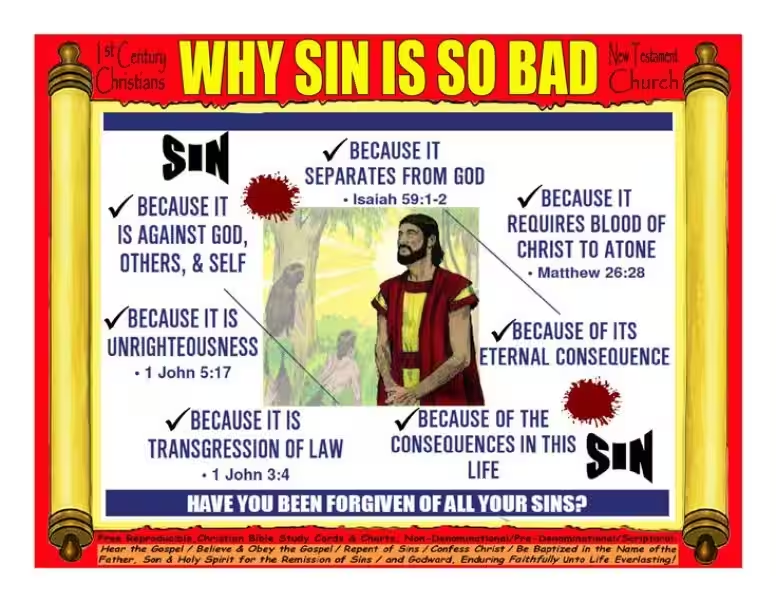
Many people wonder about the true nature and impact of sin. Is it simply a matter of breaking a few rules, or is there something more profound at play? This article explores the devastating consequences of sin, drawing from both religious and psychological perspectives, to help you understand why sin is so harmful.
- The Pervasive Nature of Sin: A Spiritual Virus
- The Crushing Weight of Sin: Physical, Emotional, and Spiritual Consequences
-
The Path to Redemption: Finding Freedom from Sin
- Why is Sin Considered Bad?
- How Does Sin Affect Me Physically?
- What are the Emotional Consequences of Sin?
- How Does Sin Impact My Spiritual Life?
- Isn't Sin Just a Moral Failing?
- Can I Escape the Consequences of Sin?
- How Can I Overcome Sin?
- What is the Role of the Holy Spirit in Dealing with Sin?
- Is Forgiveness for Sin Really Possible?
- Why is it Important to Turn Away from Sin?
The Pervasive Nature of Sin: A Spiritual Virus
Rev. Billy Graham famously used the analogy of a virus to describe sin. It's not just a simple moral failing; it's a pervasive spiritual infection that affects every aspect of your being: your body, mind, emotions, relationships, and even your motives. Think of it as a corrupting influence that slowly erodes your well-being from the inside out.
This isn't a mere metaphor. The insidious nature of sin means it's not something you can simply ignore or easily escape. It's a relentless, destructive force that, left unchecked, will continue to wreak havoc on your life. This is why understanding its impact is crucial for personal growth and well-being. It’s not just about avoiding punishment; it’s about safeguarding your holistic health.
The Crushing Weight of Sin: Physical, Emotional, and Spiritual Consequences
The consequences of sin extend far beyond simple guilt or shame. They manifest in profound ways across all aspects of your life:
Physical Consequences of Sin
Sinful actions and lifestyles often lead to significant physical health problems. Choices driven by greed, lust, or anger can result in everything from high blood pressure and sleep disorders to substance abuse and its devastating consequences. The body, designed by a loving Creator, suffers when it's subjected to the constant battering of sin. It's a direct reflection of the internal turmoil that sin creates.
The effects are not always immediately apparent, but they accumulate over time, leading to a gradual deterioration of physical health. Our bodies are interconnected, and ignoring the spiritual impact of sin can have a ripple effect throughout the system. This isn't about judgment; it's about understanding the natural consequences of our actions.
Emotional Consequences of Sin
The emotional toll of sin is equally devastating. Chasing fleeting pleasures or engaging in harmful behaviors often leaves individuals feeling empty, hopeless, and profoundly broken. The initial thrill quickly fades, leaving behind a residue of guilt, depression, anxiety, and even suicidal thoughts.
Sin creates a chasm between you and your true self, leading to a sense of disconnect and inauthenticity. It promises fulfillment but delivers only emptiness. The pursuit of sinful desires is often a desperate attempt to fill a void that only a genuine connection with God and yourself can truly satisfy. Understanding this dynamic is key to breaking free from the cycle of sin and emotional pain.
Spiritual Consequences of Sin
Perhaps the most serious consequence of sin is spiritual death—the severing of your relationship with God. This isn't a literal death, but a spiritual disconnect, a profound alienation from the source of love, hope, and purpose. It creates a spiritual vacuum that leaves you feeling lost, alone, and disconnected from the divine. This is the ultimate heartbreak, the severing of the bond that gives life true meaning.
Furthermore, sin fosters a belief that you are unworthy of God's love and forgiveness, leading to a reluctance to seek reconciliation. This self-imposed isolation prevents you from experiencing the healing and restoration that God offers. It's a vicious cycle that deepens the spiritual wound. Acknowledging this spiritual impact is a crucial first step towards healing.
The Path to Redemption: Finding Freedom from Sin
While the consequences of sin are severe, the message isn't one of despair. The good news is that there is a path to redemption, a way to find freedom from the crippling grip of sin.
The first step is recognizing the presence of sin in your life. This isn't about self-condemnation, but about honest self-reflection. The Holy Spirit, as described by Rev. Graham, acts as a detector, illuminating the areas where sin has taken root. This awareness is essential for healing.
The ultimate solution is found in the atoning sacrifice of Jesus Christ. His death on the cross provides the ultimate cleansing from sin, not just for past transgressions, but also providing the power to resist future temptation. This is not simply forgiveness; it's a transformative power that empowers you to live a life free from the destructive hold of sin. This is a profound and life-changing truth that offers hope and genuine transformation.
Through faith in Christ, you receive the power to overcome sin and experience genuine spiritual renewal. It's a journey that requires commitment, self-reflection, and a willingness to embrace God's grace and forgiveness. The path to redemption isn't easy, but the reward—a life of freedom, joy, and purpose—is immeasurable. The choice is clear: continue down a path of destruction or embrace the transformative power of God's grace. The choice is yours.
Why is Sin Considered Bad?
Sin is not merely a matter of breaking rules; it's a deeply destructive force impacting every area of our lives, as described by Rev. Billy Graham and other religious teachings. It's a spiritual disease, like a virus, that infects our bodies, minds, emotions, relationships, and motivations, leaving us weak and unable to overcome it on our own.
How Does Sin Affect Me Physically?
Sin can lead to significant physical problems. Unhealthy lifestyle choices stemming from sinful actions – such as substance abuse, overeating, or lack of exercise – directly harm our physical well-being, impacting blood pressure, sleep, and overall health. This reflects a disruption of God's design for healthy living.
What are the Emotional Consequences of Sin?
The pursuit of sinful desires often leads to emotional devastation. Instead of fulfillment, sin results in feelings of emptiness, hopelessness, guilt, depression, and even suicidal thoughts. This is because sin contradicts our deepest spiritual needs and desires for genuine connection and purpose.
How Does Sin Impact My Spiritual Life?
The most profound consequence of sin is spiritual death – a separation from God. This spiritual disconnect leads to a feeling of unworthiness, hindering our ability to seek God's forgiveness and restoration. Sin creates a barrier between us and our Creator, impacting our ability to experience the joy and peace that only God can provide.
Isn't Sin Just a Moral Failing?
While sin involves moral failings, it's far more pervasive than that. It's a spiritual illness that infects the whole person, not just their actions. It's a terminal condition, far more devastating than any physical ailment, impacting every aspect of life, from our relationships to our internal peace.
Can I Escape the Consequences of Sin?
No, sin's insidious nature makes it impossible to simply escape its consequences. It's a pervasive force that affects us deeply. However, there is hope for healing and restoration through faith in Jesus Christ and the power of the Holy Spirit.
How Can I Overcome Sin?
The solution to sin's devastating impact lies in the atoning sacrifice of Jesus Christ. His sacrifice provides forgiveness, cleansing, and the power to resist future temptation. The Holy Spirit acts as a guide, revealing the presence of sin and prompting a desire for reconciliation with God. This is not condemnation but a catalyst for spiritual growth.
What is the Role of the Holy Spirit in Dealing with Sin?
The Holy Spirit serves as a detector, revealing areas of sin in our lives. This revelation, while potentially uncomfortable, is crucial for spiritual healing. It prompts introspection and a desire for reconciliation with God, empowering us to actively pursue a life free from sin's control.
Is Forgiveness for Sin Really Possible?
Yes, through faith in Jesus Christ and acceptance of his atoning sacrifice, complete forgiveness is possible. 1 John 1:7 emphasizes the cleansing power of Christ's blood, offering not just forgiveness for past sins but also the strength to resist future temptation. This is a transformative process leading to lasting freedom.
Why is it Important to Turn Away from Sin?
Turning away from sin is essential for experiencing the fullness of life God intends for us. Sin's destructive power affects every area of our being. By choosing to follow Christ, we embrace a life characterized by peace, joy, and a deeper relationship with God. Choosing to reject sin is choosing life.